19 min read
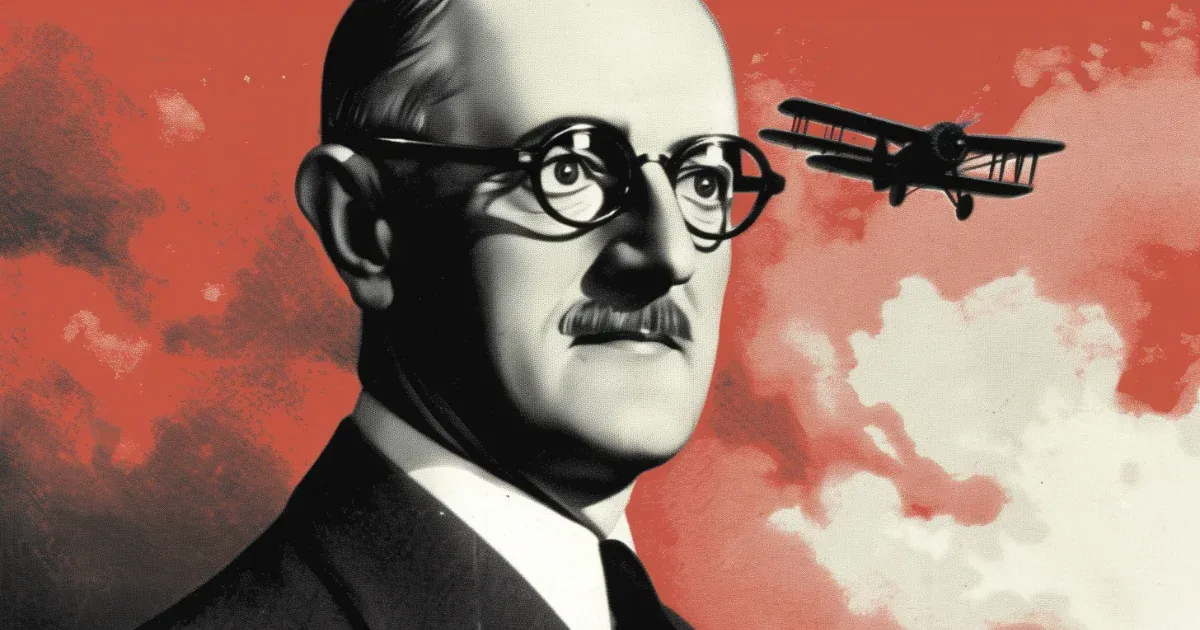
Boeing has had thirteen chief executives since William E. Boeing founded the company in 1916 — and two more men who ran it as president without ever holding the title. Almost every list published online gets the early years wrong, including the one Google’s own AI Overview assembles. The dates below come from Boeing’s own executive records, which track the presidency, the chief executive’s office and the chairmanship as three separate jobs that only sometimes belonged to the same man.
LIST OF PRESIDENTS & CEOS OF BOEING
Fifteen people have run Boeing as president, thirteen as chief executive, and the two lists are not the same list.
| Leader | President | Chief executive | How it ended |
|---|---|---|---|
| William E. Boeing | Jul 1916–May 1922; Jan 1925–Feb 1926 | Jul 1916–Feb 1926 | Sold every share in 1934 after the government broke up his conglomerate |
| Edgar N. Gott | May 1922–Jan 1925 | never | Left the company in 1925 |
| Philip G. Johnson | Feb 1926–Aug 1933; Sep 1939–Sep 1944 | Feb 1926–Aug 1933; Sep 1939–Sep 1944 | Died in office, September 1944 |
| Clairmont L. Egtvedt | Aug 1933–Sep 1939; Sep 1944–Sep 1945 (acting) | Sep 1933–Sep 1939; Sep 1944–Sep 1945 | Moved up to chairman; retired 1966 |
| William M. Allen | Sep 1945–Apr 1968 | Sep 1945–Apr 1969 | Retired |
| Thornton A. Wilson | Apr 1968–Sep 1972 | Apr 1969–Apr 1986 | Retired |
| Malcolm T. Stamper | Sep 1972–Feb 1985 | never | Became vice-chairman |
| Frank A. Shrontz | Feb 1985–Aug 1992 | Apr 1986–Apr 1996 | Retired |
| Philip M. Condit | Aug 1992–Aug 1997 | Apr 1996–Dec 2003 | Resigned, December 2003 |
| Harry C. Stonecipher | Aug 1997–Mar 2005 | Dec 2003–Mar 2005 | Forced out, March 2005 |
| James A. Bell (interim) | Mar 2005–Jun 2005 | Mar 2005–Jul 2005 | Went back to being CFO |
| W. James McNerney Jr. | Jul 2005–Dec 2013 | Jul 2005–Jul 2015 | Retired |
| Dennis A. Muilenburg | Dec 2013–Dec 2019 | Jul 2015–Dec 2019 | Ousted, December 2019 |
| David L. Calhoun | Jan 2020–Aug 2024 | Jan 2020–Aug 2024 | Stepped down, August 2024 |
| Kelly Ortberg | Aug 2024–present | Aug 2024–present | Current |
The gap between the two columns is where most published Boeing timelines fall apart. Edgar Gott and Malcolm Stamper each ran the company as president for years without ever being its chief executive, and Philip Johnson and Clairmont Egtvedt each did the job twice, in two separate stints, trading it back and forth between them.
WHO FOUNDED BOEING?
William Edward Boeing founded the company on July 15, 1916, in Seattle, and called it Pacific Aero Products Co. before renaming it the Boeing Airplane Company the following year. He was a Yale-educated timber man who had made his money in Pacific Northwest lumber, and he came to aviation late and by accident, after a 1915 flight left him convinced he could build something better than what he had just been sitting in.
He was also, from the beginning, an obsessive about workmanship. Boeing’s own corporate history records him walking through the Duwamish shipyard in 1916, finding a set of badly sawed spruce ribs, sweeping them onto the floor and stamping on them until they broke. A frayed aileron cable set him off again: “I, for one, will close up shop rather than send out work of this kind.”
WILLIAM E. BOEING (FOUNDER OF BOEING)
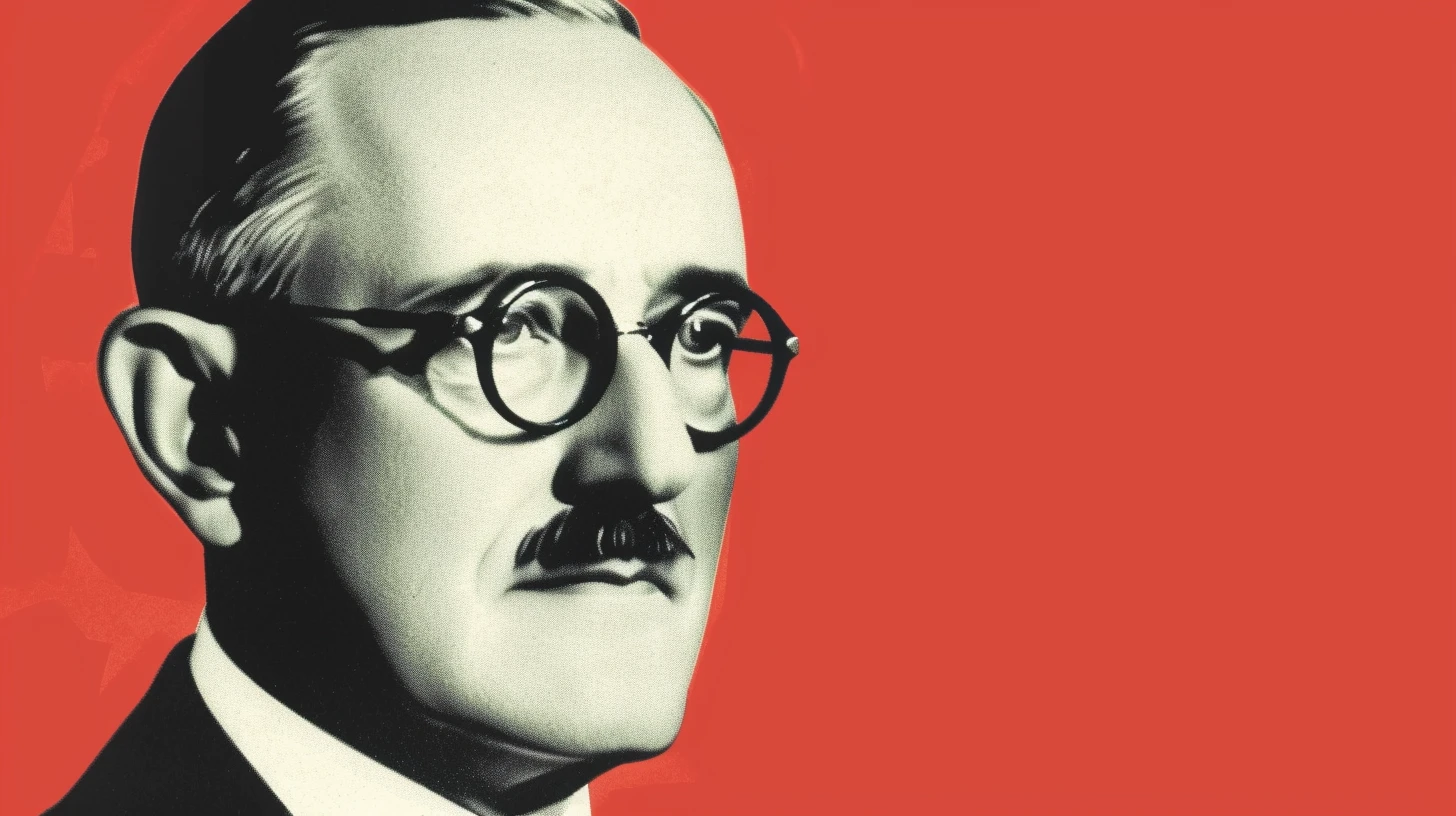
William E. Boeing founded Boeing in 1916. He turned his fascination with aviation into a significant military and commercial aviation player.
He started with a single biplane, the B&W seaplane, assembled in a boathouse hangar on Lake Union and first flown in June 1916.
He was, in the end, too successful for his own good. By the late 1920s Boeing’s holdings had been folded into the United Aircraft and Transport Corporation, a conglomerate that built the planes, the engines and the propellers and then flew the airmail routes as well — an arrangement Congress killed with the Air Mail Act of 1934. The government forced the conglomerate apart into three companies, one of which became the engine-maker that is now part of RTX.
Boeing’s chairmanship of the airplane company ended in July 1934. Embittered by the breakup and by a Senate investigation that had hauled him in to testify, he sold every share he owned and never came back, apart from an unpaid turn as a consultant during the Second World War.
EDGAR GOTT
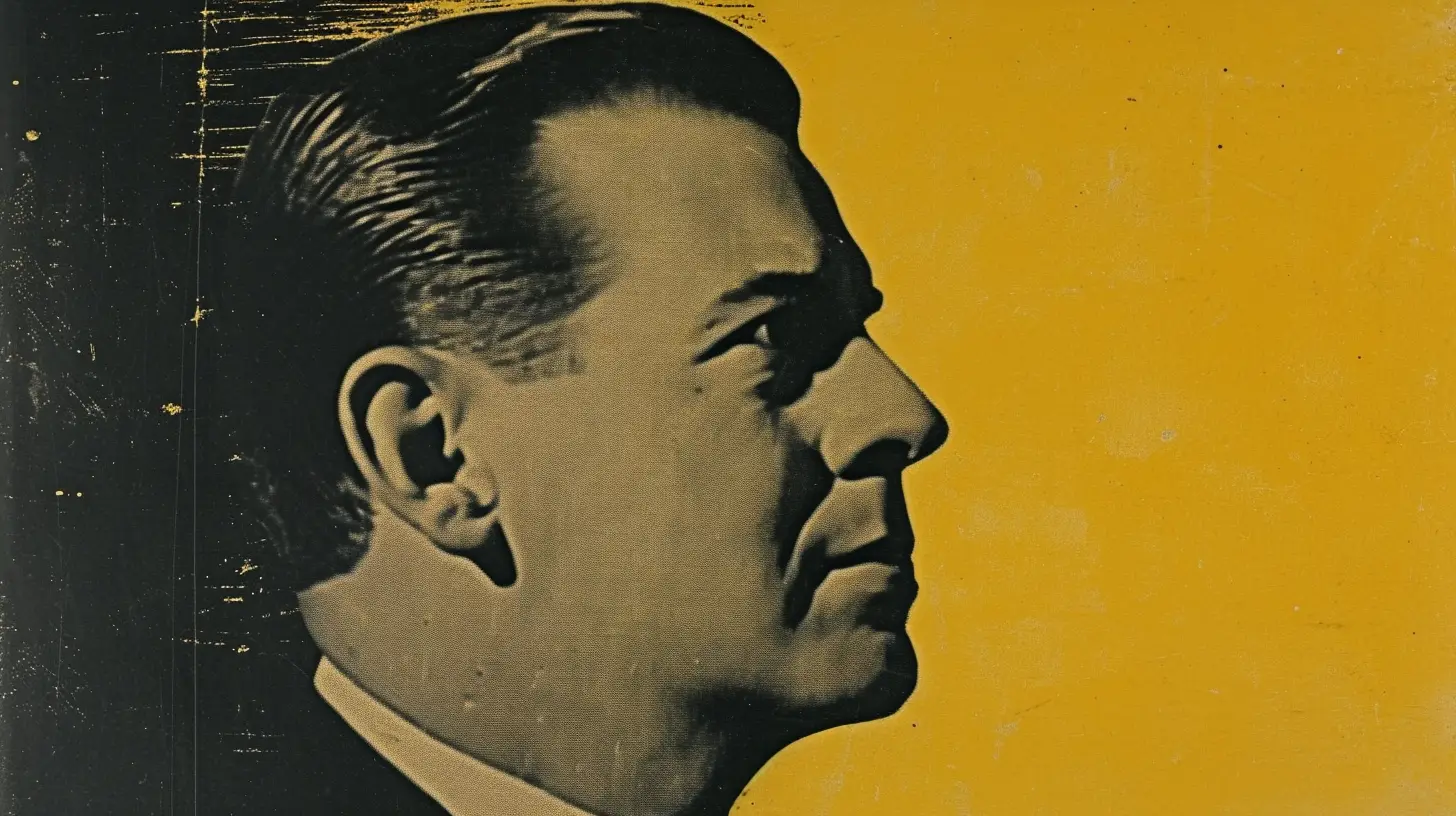
Edgar Gott was Boeing’s president from May 1922 to January 1925 — not, as almost every list online has it, in the 1930s. He was the founder’s first cousin, a Michigan-trained chemical engineer who had joined Pacific Aero Products as a vice president in 1917.
The crisis he actually managed was the collapse that followed the First World War, when the military stopped buying aircraft and the young company had to find something else to build. Boeing credits him with leading it out of that slump and establishing it as a designer of military aircraft, developing its first biplane fighters on his watch.
He was not ousted. Gott left in 1925 to keep working elsewhere in aviation, chaired San Diego’s war transportation and war housing commissions during the Second World War, and died in 1947.
CLAIRMONT L. EGTVEDT
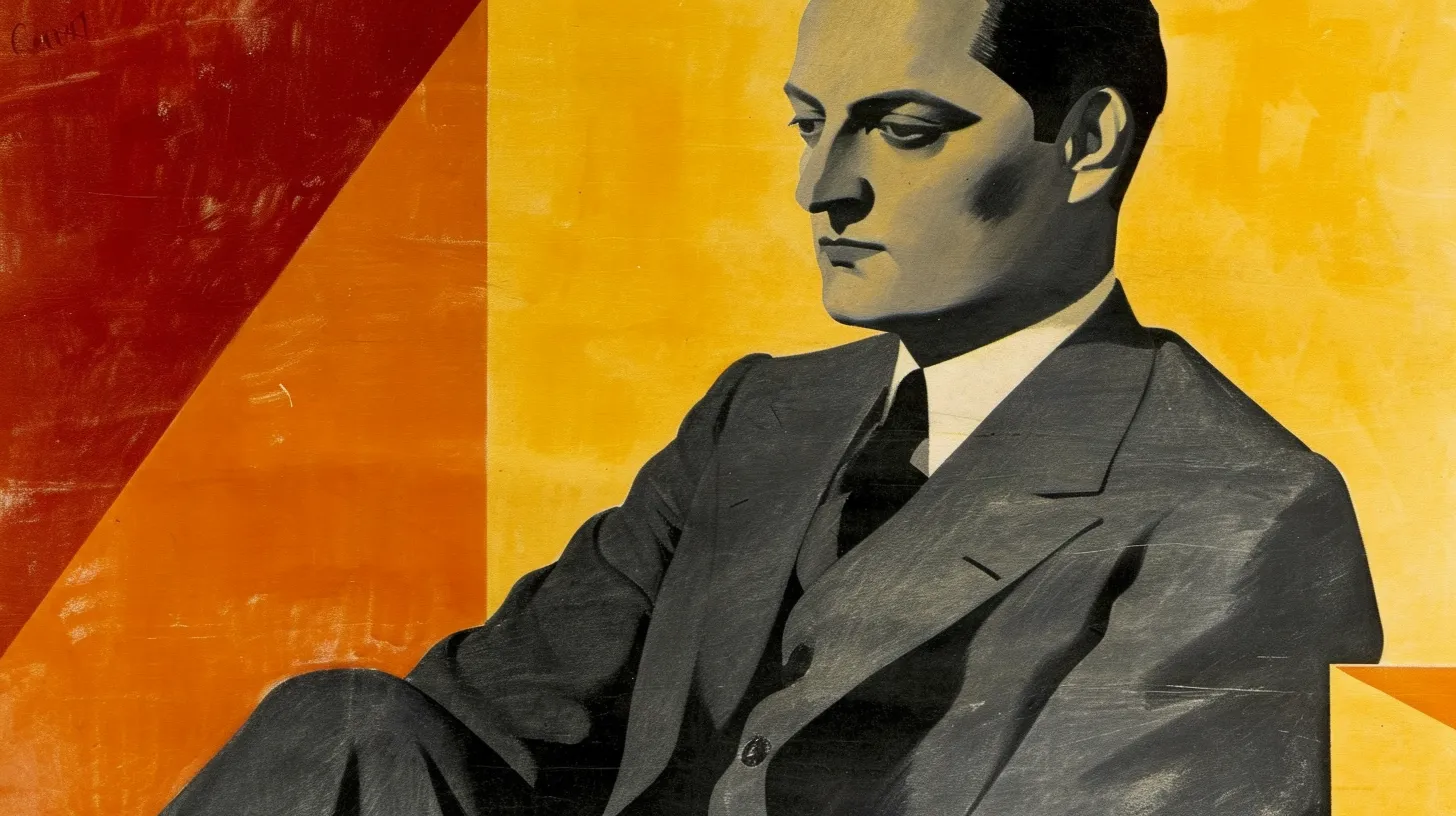
Clairmont Egtvedt became president in August 1933, in the depths of the Depression, and shaped Boeing for decades afterwards.
He thought bigger was better and staunchly believed bigger planes would be the future.
This is when Boeing exited the small plane market to focus its engineering might on developing advanced bombers and passenger airliners. Once WW2 hit the ground, Boeing was ready for a comeback.
He handed the presidency back to Philip Johnson in September 1939 and moved up to the chairmanship — then took the president’s job a second time, as acting president, when Johnson died suddenly in 1944. He held the chair until 1966, twenty-seven years in all.
PHILIP G. JOHNSON
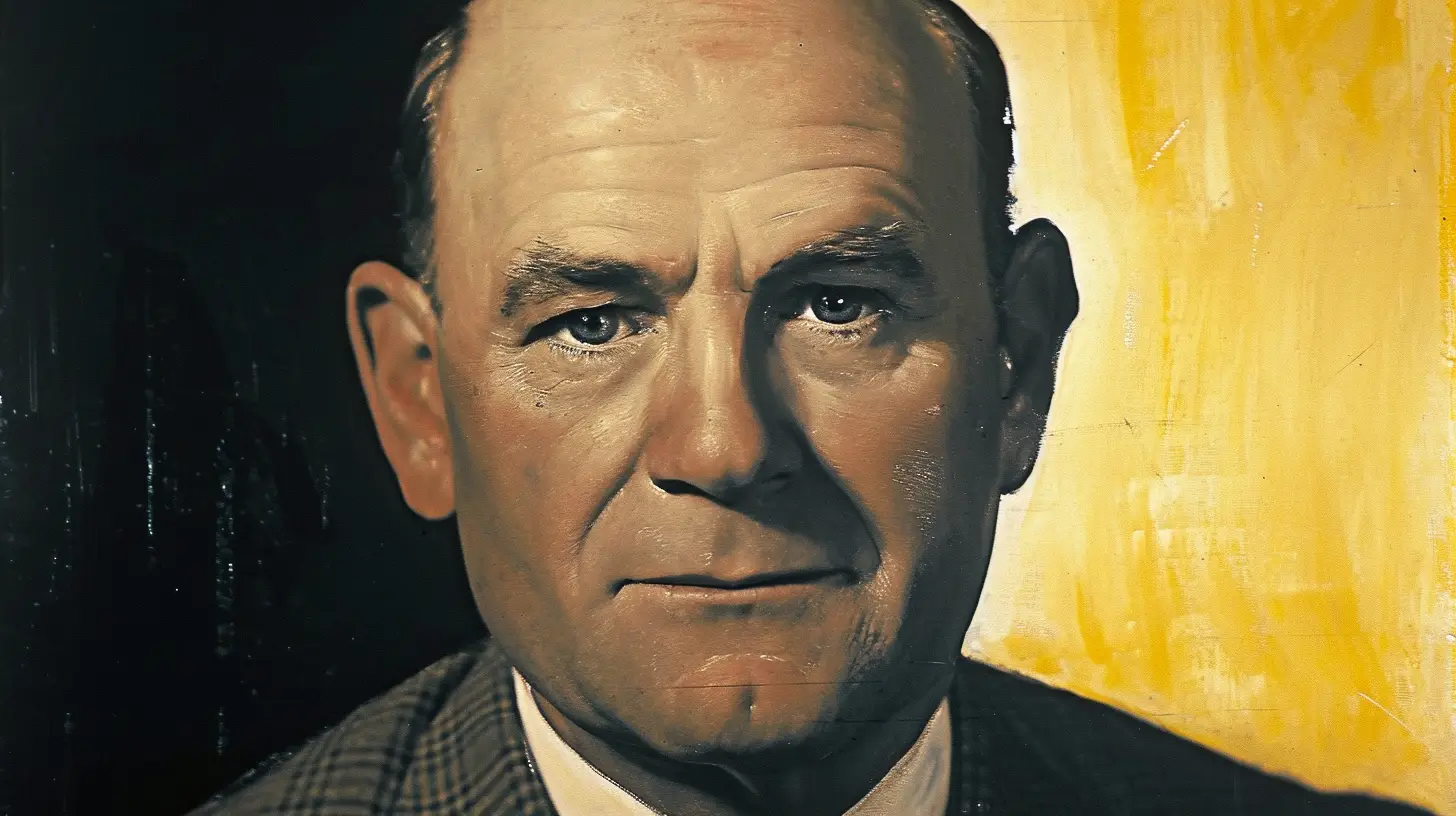
Philip Johnson ran Boeing twice: first from February 1926 to August 1933, and again from September 1939 until his death five years later. He was 31 when he got the job the first time. He left in 1933 for Canada, where he helped establish Trans-Canada Air Lines, and came back to Seattle six years later with the world on the edge of war.
He positioned the company as a critical producer of heavy bombers like the B-17.
The company entered the military-industrial complex under him, scaling up for the B-17 and B-29 as America entered the war.
The company boomed under wartime demand, and Johnson did not live to see the end of it. He suffered a stroke while visiting the Wichita plant and died in September 1944, the only Boeing chief executive to die in office.
WILLIAM M. ALLEN
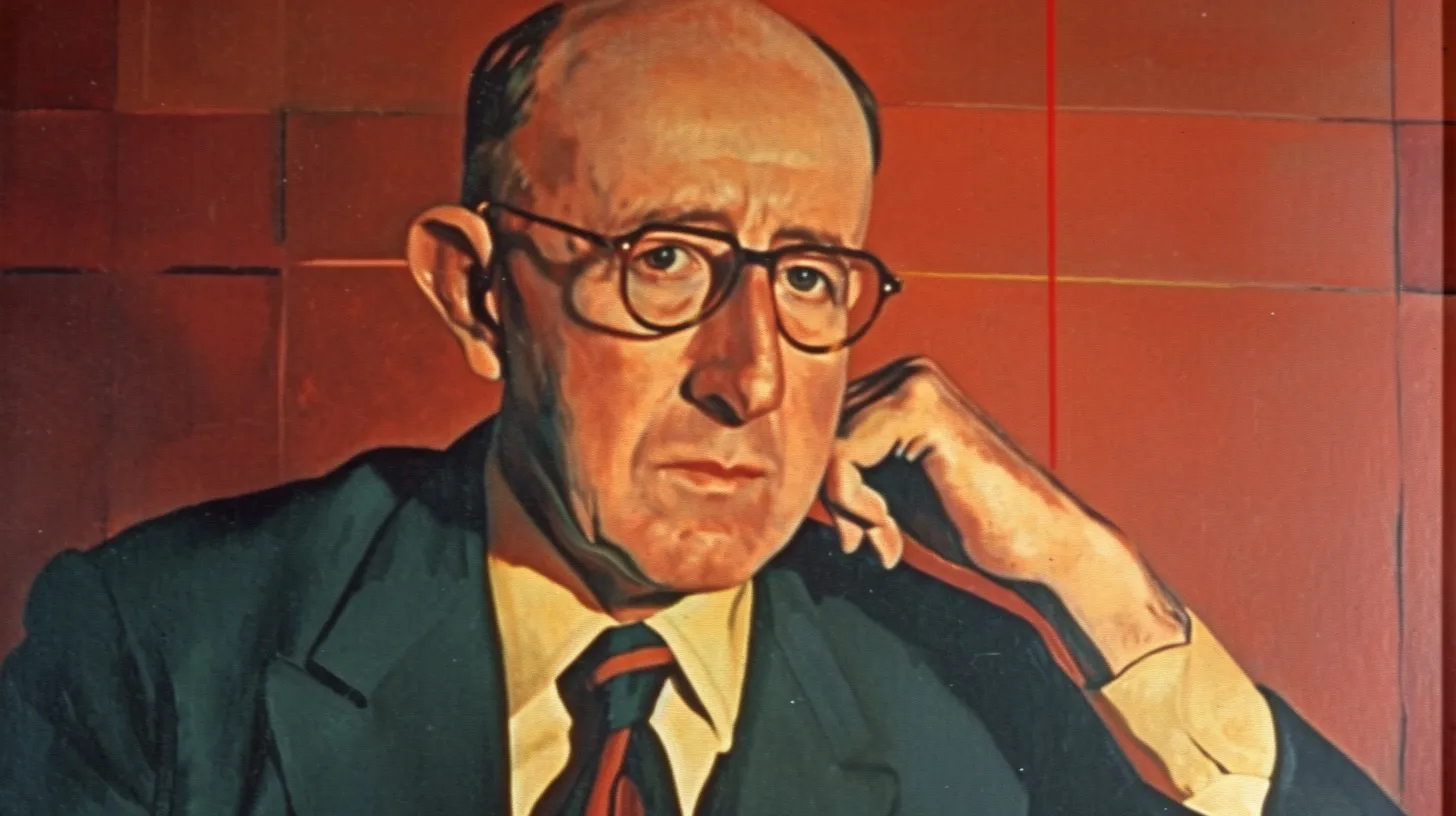
William M. Allen led Boeing for over two transformative decades.
A company lawyer rather than an engineer, he took the president’s chair in September 1945 and guided Boeing through the turboprop and jet eras, overseeing the 707 and the 747. This was a golden age of Boeing engineering.
Despite temporary downturns due to fluctuations in military spending, Allen’s bold investment in commercial jet technology secured Boeing’s long-term dominance in passenger aviation. This was at a time when it wasn’t scary to get on one of their planes.
THORNTON WILSON
Thornton “T” Wilson transformed Boeing into a global aerospace leader.
He was known for his bold vision and decisive leadership. He helped guide the company through challenges like a financial crisis that forced brutal workforce cuts.
Despite setbacks, Wilson championed the development of fuel-efficient aircraft such as the 757 and 767.
Boeing’s own account of his tenure credits him with leading the company “toward preeminence in the global marketplace” — the years in which it became the name the rest of the industry measured itself against, including the European consortium that would grow into Airbus.
THE PRESIDENTS WHO WERE NEVER CEO
Two men ran Boeing as president for a combined fifteen years without ever holding the chief executive’s title, and a third held both for four months and gave them back.
Malcolm Stamper was president from September 1972 to February 1985, one of the longest presidencies in the company’s history. He had run the 747 program from startup to first flight and overseen the building of the Everett plant put up to assemble it, and still the chief executive’s office belonged to Thornton Wilson the entire time. Stamper moved up to vice-chairman in 1985 and retired in 1990. Edgar Gott’s three years in the early 1920s were the same arrangement.
James Bell’s turn was shorter and stranger. Boeing’s chief financial officer was handed the company in March 2005 when Harry Stonecipher was forced out, ran it as interim president and chief executive for about four months, and then went back to being chief financial officer when James McNerney arrived. It remains the briefest tenure in Boeing’s history.
FRANK SHRONTZ
Frank Shrontz led Boeing through a transformative period.
He joined Boeing in 1958 with a law degree, left in 1973 for the Defense Department, became assistant secretary of the Air Force in 1976 and came back the following year — so the Cold War’s end found Boeing run by a man who had sat on the government’s side of the table. The Rockwell and McDonnell Douglas deals often credited to him were not his; both closed under his successor.
Under his leadership, Boeing pivoted to new sectors like rockets and telecommunications. However, his critics felt he lost focus with his sights on the short term, which led to criticism for neglecting design innovations.
This factor would be linked to later challenges in the company’s aircraft development.
PHILIP CONDIT
Philip Condit took the helm of Boeing in the heady 1990s.
The era was known for the consolidating American aerospace sector — Lockheed and Martin Marietta had already merged into a single defense giant in 1995 — which enjoyed strong airline demand for updated versions of stalwart planes like the 737. Condit did the consolidating: Boeing closed its purchase of Rockwell’s aerospace and defense business in December 1996 and completed the $16.3 billion merger with McDonnell Douglas on August 1, 1997.
He is also the answer to a question the rest of this page’s timeline obscures. Elected president in 1992, Condit “added the title of chief executive officer in 1996” — Boeing’s own words. Everyone before him ran the company; he was the first to formally carry the title.
As an ambitious, bottom-line-focused leader, Condit championed Boeing’s sprawling telecom and satellite holdings during the tech boom of the 1990s.
He was initially hailed for delivering profits. Then came the tanker affair: Darleen Druyun, the Air Force acquisition official overseeing a $23.5 billion lease deal for Boeing tankers, had negotiated a job at Boeing while still running the competition. Boeing fired her and chief financial officer Michael Sears on November 24, 2003, and both later pleaded guilty to federal charges. Condit resigned a week later, on December 1, saying the controversies “were obscuring the great accomplishments and performance of this company.”
HARRY STONECIPHER
Harry Stonecipher was a longtime aerospace executive who served a turbulent tenure at Boeing’s helm, first as president and COO during the 1990s merger with McDonnell Douglas. He would later return as CEO in 2003 after Condit’s ouster.
Although the company’s leadership was in crisis, Stonecipher stressed ethics reforms after the tanker scandal. Then the board forced him out on March 6, 2005 over a consensual relationship with a female Boeing executive, judged a violation of the very code of conduct he had spent fifteen months promoting. Nothing criminal was alleged; the board simply decided the man selling integrity could not be the exception to it.
He also wasn’t very liked in the company. His hard-charging, numbers-driven leadership style clashed with the Boeing tradition, contributing to engineering lapses on new planes that proved costly in the long run.
His leadership was full of needless distractions.
JAMES MCNERNEY

Named CEO in 2005, after a series of scandals and setbacks, James McNerney — hired away from the top job at 3M — tried to regain the confidence of Boeing’s employees and the public.
He was hired away from 3M based on his reputation as a stern disciplinarian and turnaround expert, and before 3M he had spent nineteen years at General Electric, losing the race to succeed Jack Welch in 2000. His arrival cost Boeing another executive: Alan Mulally, passed over for the top job, left in 2006 to run Ford.
McNerney overhauled the management and stabilized its finances through deep job cuts when needed.
During his tenure, he recorded record commercial orders and stock gains.
He was later blamed for issues with the 787 Dreamliner launch. Also, the 737 MAX development originated under production pressure and excessive optimism from McNerney.
DENNIS MUILENBURG

Rising through Boeing’s ranks as an engineer and executive over three decades, Dennis Muilenburg assumed the CEO role at a seeming high point in 2015 after the successful launch of the 787 Dreamliner.
Crisis soon struck under his watch, with issues with the 737 MAX’s automated flight system leading to two deadly crashes and grounding the plane.
Muilenburg drew condemnation for missteps in informing pilots and regulators and overly optimistic forecasts amid investigations.
The board removed him on December 23, 2019, for his handling of the crisis. The grounding rippled through every airline flying the aircraft, including Southwest, which had built its entire fleet around the 737.
DAVE CALHOUN
During Dave Calhoun’s tenure as CEO of Boeing, he led the company through its recovery from the 737 MAX crisis, which saw two fatal crashes and the grounding of the aircraft globally.
The most dramatic moment of his leadership came on January 5, 2024, when a door plug blew out of an Alaska Airlines 737 MAX 9 at 16,000 feet and left a hole in the side of the aircraft. Nobody was sitting in the seat beside it. Calhoun told employees days later that the accident “shook me to the bone” — and, unusually for a chief executive under investigation, opened with an admission: the company had made a mistake.
WHO WAS BOEING’S CEO BEFORE KELLY ORTBERG?
Dave Calhoun was Boeing’s chief executive immediately before Kelly Ortberg, running the company from January 2020 to August 2024. He announced on March 25, 2024 that he would leave “by the end of the year” — then left in August, four months ahead of his own timetable, once the board found an outsider it wanted.
Read the last three names together and the pattern is hard to miss. Muilenburg was fired in December 2019, Calhoun stepped down under pressure in 2024, and Ortberg took over that August: three chief executives in under five years at a company where a single aircraft program takes a decade to develop and then flies for thirty years. For comparison, William Allen held the job for 23 years and Thornton Wilson for 17. Boeing is not the only American industrial giant to burn through leadership in a crisis: General Motors ran through four chief executives between 2009 and 2014.
KELLY ORTBERG
Kelly Ortberg became Boeing’s president and chief executive on August 8, 2024, named to the job the week before. He was an outsider with an insider’s résumé: an engineer who started at Texas Instruments in 1983, spent three decades at Rockwell Collins and ran it as chief executive from 2013, then led Collins Aerospace after the RTX merger. He moved to Seattle and put his office near the factory floor, which was read — correctly — as a statement about where the previous decade had gone wrong. Not every industrial board reaches outside when the pressure is on: Caterpillar handed its own centennial-year succession to a twenty-eight-year company veteran.
The job got worse before it got better. Five weeks after he started, 33,000 machinists walked out; the strike ran 53 days and ended on November 4, 2024 with a contract worth 38% in raises over four years. In late October, with the production lines still stopped, Boeing raised about $24 billion in equity to keep its credit rating out of junk territory. The company lost $11.8 billion that year.
What followed was the most convincing stretch Boeing has had in a decade. It closed its purchase of Spirit AeroSystems in December 2025, taking back the fuselage supplier it had spun off in 2005 and whose work had produced the door plug. The FAA’s cap on 737 production, imposed at 38 a month after the blowout, was raised and then lifted, and by mid-2026 the line was moving to 47. Deliveries reached 600 in 2025, the most since 2018.
The headline number deserves an asterisk. Boeing reported $89.5 billion of revenue and $2.2 billion of net earnings for 2025, its first annual profit since 2018 — but the fourth quarter alone carried a $9.6 billion one-time gain from selling its Digital Aviation Solutions business. Strip that out and the airplane business still lost money. The second quarter of 2026 made the point again: revenue up to $24.6 billion and 171 aircraft delivered, the most since 2018, and still a loss per share of 67 cents after a $280 million charge on the Air Force One program. “Our focus has been on restoring trust,” Ortberg said. Boeing is recovering. It is not yet fixed.
BOEING CEO HISTORY FAQ
Who was the Boeing CEO who got fired?
Dennis Muilenburg is the one usually meant: Boeing’s board removed him on December 23, 2019, after the 737 MAX groundings. He is not the only chief executive to leave involuntarily, though. Harry Stonecipher was forced out in March 2005 over a relationship with a subordinate, and Philip Condit resigned in December 2003 in the middle of the Air Force tanker scandal.
How much did Boeing’s ousted CEO walk away with?
Boeing gave Dennis Muilenburg no severance payment and no 2019 bonus, and he forfeited stock awards worth about $14.6 million. He still left with roughly $62.2 million in vested stock and pension benefits accumulated over 33 years at the company. The distinction matters: the company withheld everything it could withhold, and the exit was still enormous.
Who are the last three CEOs of Boeing?
Dennis Muilenburg (2015–2019), Dave Calhoun (2020–2024) and Kelly Ortberg, who took over in August 2024 and holds the job now. Three chief executives in under five years is unusual for any company and especially for this one, where a new aircraft can take more than a decade to develop and then stays in service for thirty years.
What is David Calhoun doing now?
Boeing’s own executive records list Calhoun as special advisor to its board from August 2024 onward, and that is the only role we could confirm. Despite the question’s popularity, no board seat, fund or new company has been reliably reported for him since he left — so anyone stating otherwise is guessing.