4 min read
Since its creation by pharmacist Charles Alderton in 1880s Waco, Texas, Dr Pepper’s bottle design has changed over time.
Its bottle evolution mirrors both technological advances and shifting consumer tastes across generations.
Let’s examine Dr Pepper’s bottle evolution chronologically.
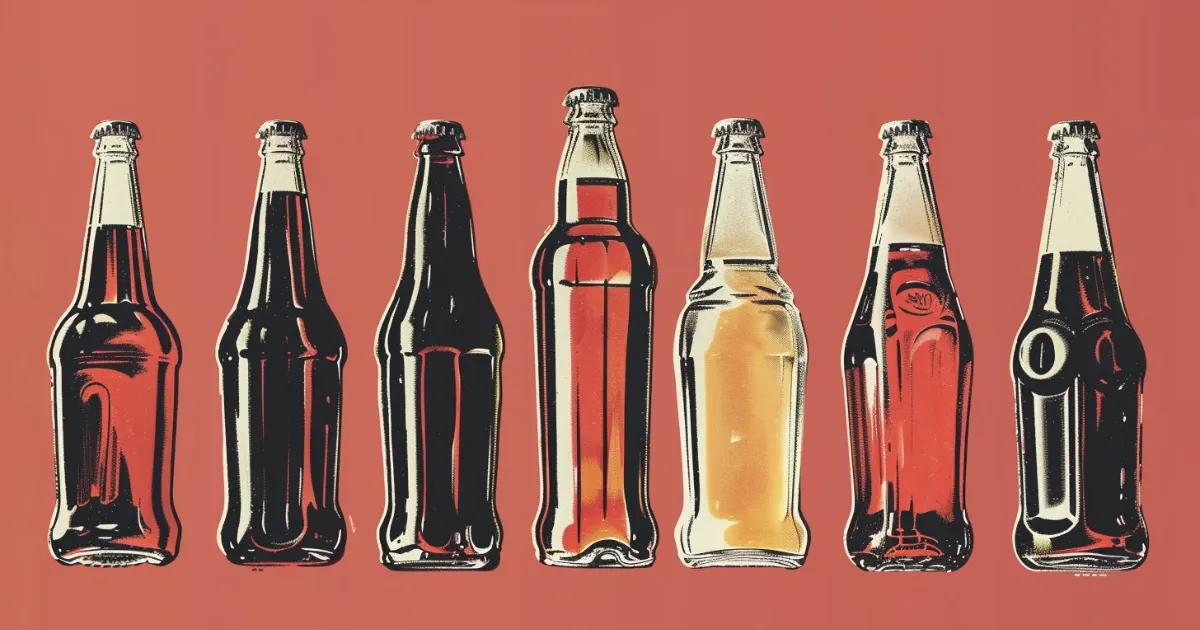
LIST OF DR PEPPER BOTTLES
- Hutchinson Bottle (1885-1911)
- Straight-Sided Bottle (1911-1934)
- Embossed Bottle (1920s-1954)
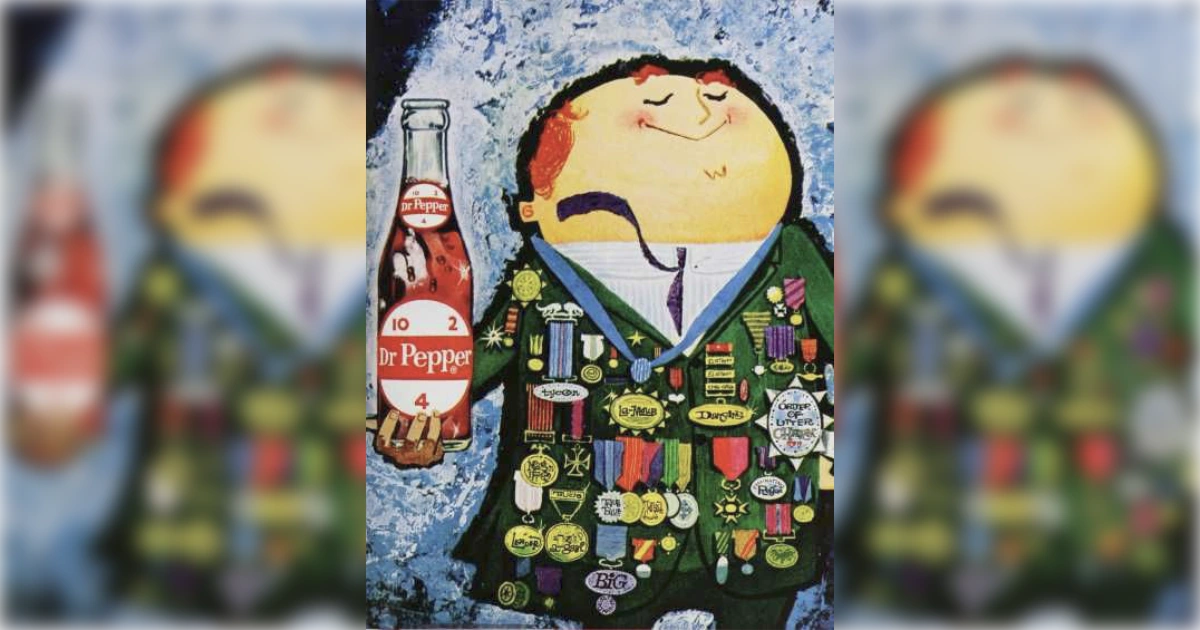
- Labeled Bottle (1954-1971)
- The Skinny straight bottle (1971-1980s)
- Plastic Bottle (1970s-present)
- Aluminum Can (1980s-present)
THE HUTCHINSON BOTTLE
The Hutchinson bottle was used exclusively by Dr Pepper in the late 1800s.
Its glass marble served a seal—pressing down released the carbonated drink with a distinct pop, a closure unlike anything else in the long history of the glass bottle.
The design solved two key challenges:
- it kept the beverage fresh and pressurized
- it creating a memorable opening ritual that consumers came to associate with the Dr Pepper
It made opening the bottle a signature experience.
STRAIGHT-SIDED BOTTLE
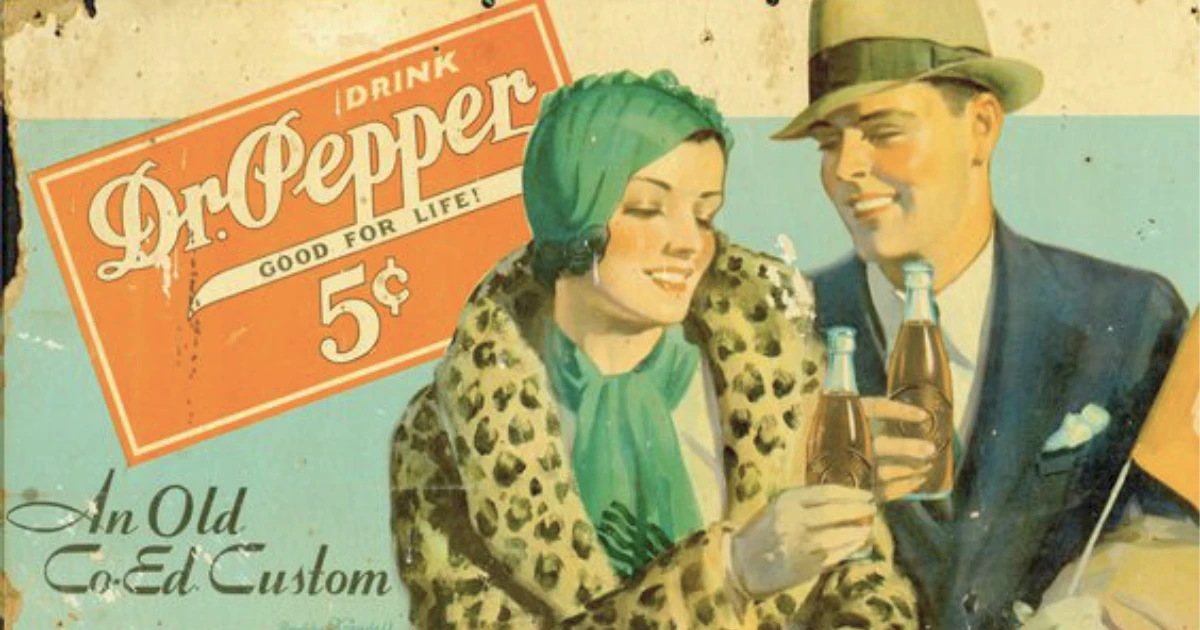
Dr Pepper’s bottle design changed in the early 1900s.
The 1911 straight-sided bottle replaced ornate predecessors with clean geometric lines.
This shift from decorative to functional design mirrored the era’s embrace of machine precision and standardization.
The new bottle cap proved transformative.
Unlike the Hutchinson stopper—a glass marble that had to be pushed inward to open—the cap twisted off cleanly.
This mechanical improvement matched the daily reality of American life, where efficiency shaped everything from factory floors to dining tables.
EMBOSSED BOTTLE
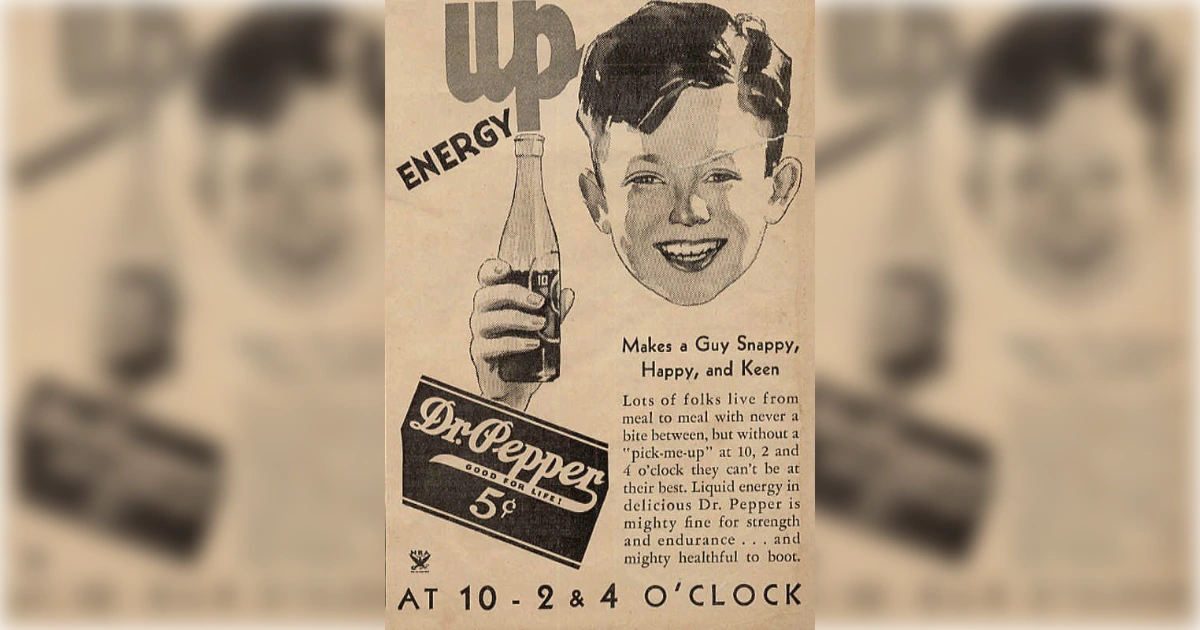
The Dr Pepper bottle of the 1920s took on a more embossed design.
The raised lettering and detailed patterns on the bottle’s surface marked it as a product of its time, capturing the decorative tastes of the Roaring Twenties.
The glass caught and reflected light in ways that plastic never could, creating an interplay between surface and shadow that drew the eye.
This visual appeal connected directly to the era’s embrace of art deco styling and bold design choices.
The bottle moved through American life, from corner stores to lunch counters, becoming a shared experience across social classes and regions—the same years the company was telling drinkers to “Drink a Bite to Eat at 10, 2, and 4 o’clock”.
LABELED BOTTLE
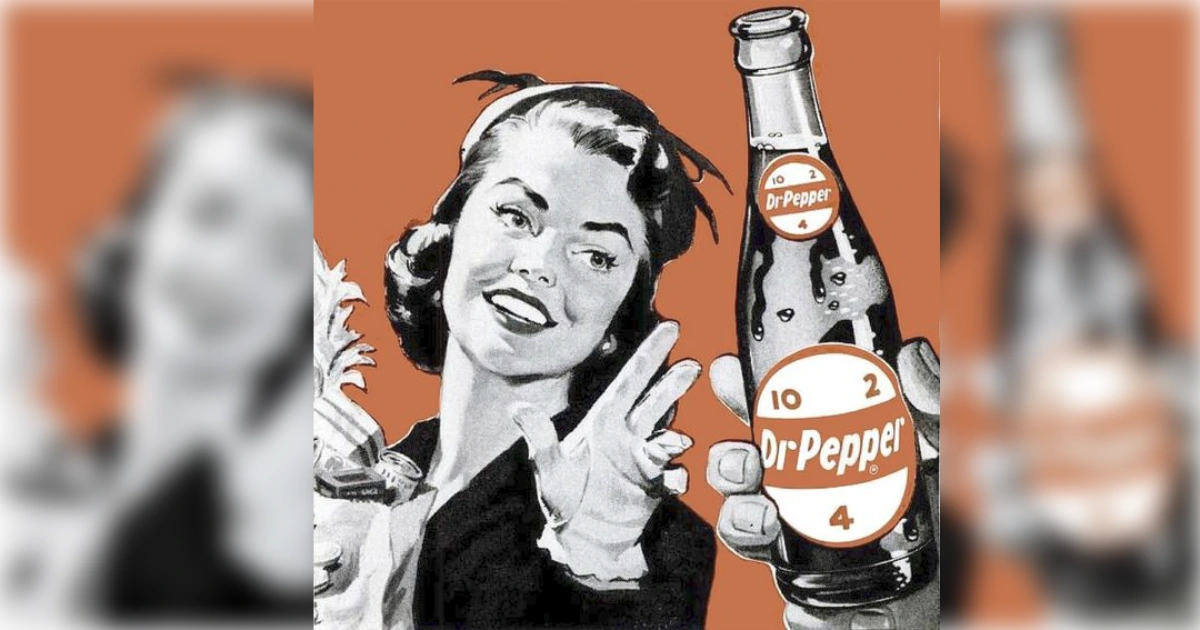
In the 1950s and 60s, Dr Pepper shifted to labeled bottles as America entered a period of postwar abundance.
The new labels featured bold colors and sharp graphics that captured attention on crowded store shelves.
These designs reflected broader cultural changes:
- the rise of suburban living, mass consumption
- visual art movements that transformed everyday objects into creative expressions
The bottle’s familiar shape was now enhanced with striking artwork—a direct response to the era’s embrace of bold advertising and pop art aesthetics.
THE SKINNY STRAIGHT BOTTLE
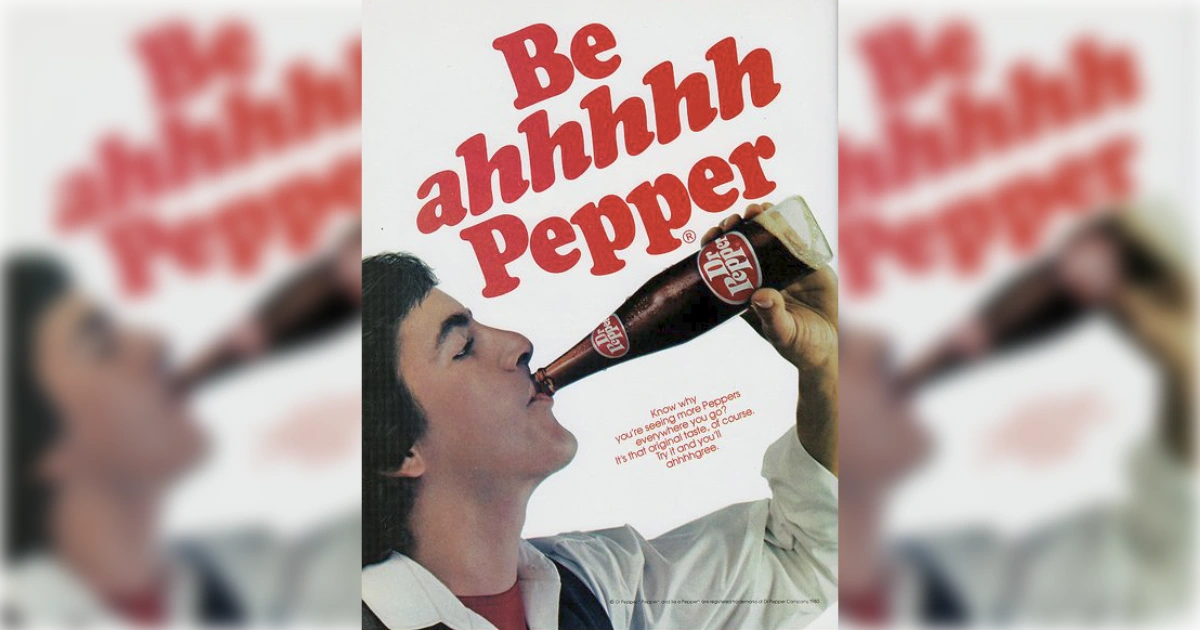
In 1970, Dr Pepper introduced the “Skinny Straight” bottle—a taller, slimmer design.
The bottle’s minimal aesthetics was known for its straight walls, refined proportions, and modernized logo.
The “Skinny Straight” bottle embraced clean geometry and visual restraint.
This design became ubiquitous in American social spaces, from neighborhood cookouts to nightclubs.
THE PLASTIC BOTTLE
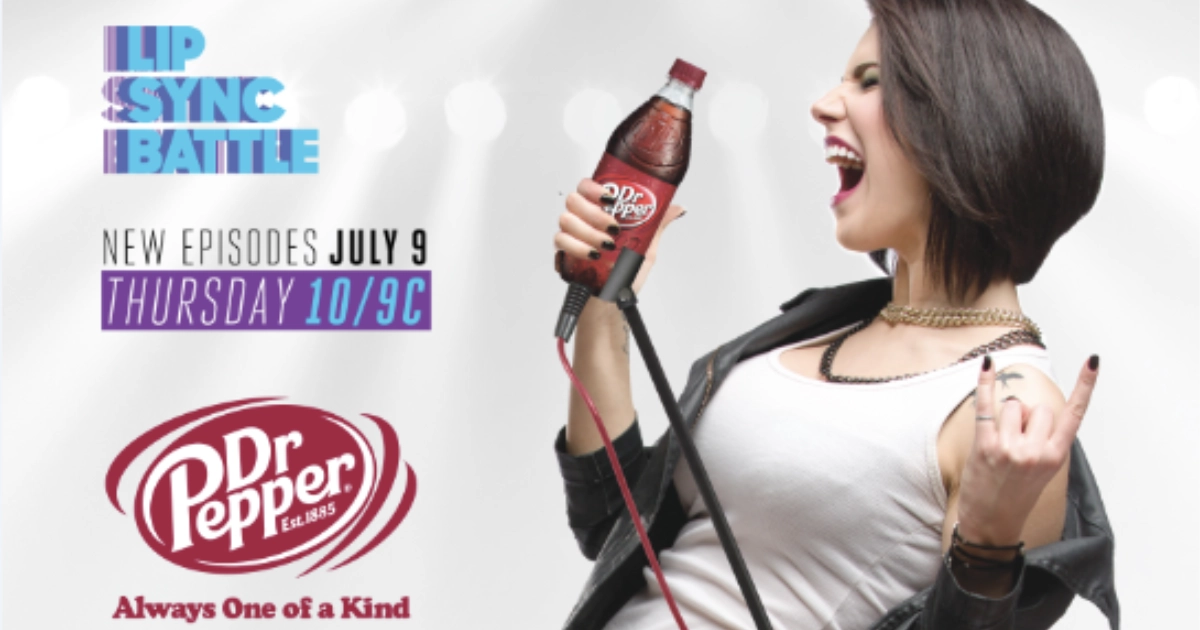
Plastic bottles transformed beverage packaging when they emerged in the 1970s—the decade Pepsi rolled out the 2-liter PET bottle—with Dr Pepper leading this change.
Dr Pepper designed a lightweight, shatterproof bottle that served Americans’ evolving needs perfectly.
Drivers stored them in cup holders, students tucked them into backpacks, and outdoor enthusiasts packed them in coolers.
Manufacturers embraced plastic bottles for their low production costs, while consumers appreciated their affordability and durability.
ALUMINUM CAN
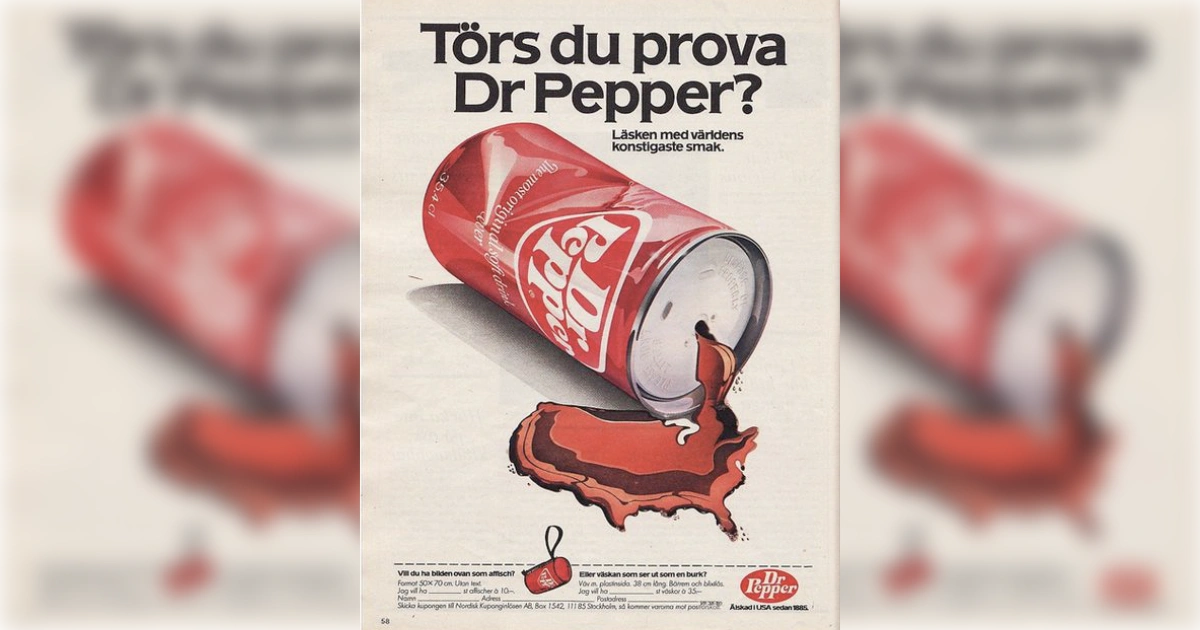
Dr Pepper’s switch to aluminum cans in the 1980s was a different change in beverage packaging.
The cans weighed less than glass bottles and could be recycled repeatedly, reducing waste and transportation costs.
These practical benefits matched the growing environmental awareness of 1980s consumers, who wanted products that didn’t harm the environment.
The can’s design captured 1980s visual style through metallic surfaces and sharp graphics, one chapter in Dr Pepper’s longer run of can designs.
While many Dr Pepper bottles used regional or time-limited designs, these core designs shaped the brand’s visual identity and dominated its market presence.
The designs described above represent Dr Pepper’s most widespread bottle formats.