17 min read
The Jack in the Box mascot is Jack Box—a businessman with a plastic clown head who the company insists is its founder, CEO and spokesman. He was blown up on television in 1980, left for dead for fourteen years, and brought back in 1994 as a suited executive out for revenge.
He is still working. Jack has since run for president, been hit by a bus, headlined a horror short, made PEOPLE’s Sexiest Man Alive issue, and—in June 2026—turned up as an invented 1980s soccer legend. This is the whole timeline, including who is actually under the head.
TOPSY’S DRIVE-IN
1941
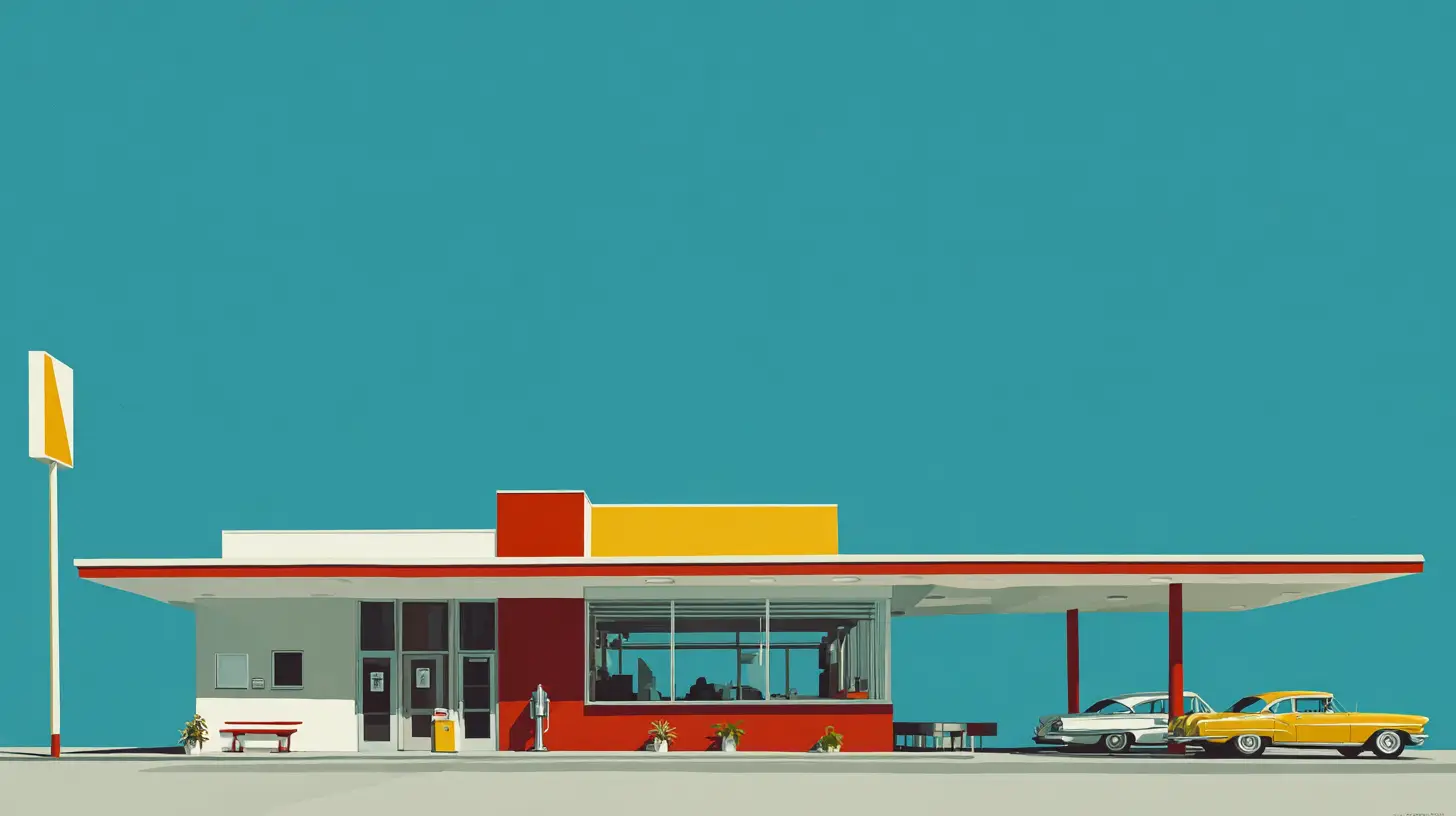
Robert Oscar Peterson opened Topsy’s Drive-In in San Diego in 1941, the first link in a chain that became Jack in the Box. After the war he renamed his drive-ins Oscar’s, after his father, Oscar W. Peterson—and it was Oscar’s, not Topsy’s, that carried the starry-eyed clown-chef mascot people now misremember as the original Jack.
That distinction matters, because it is the source of a persistent myth. The Jack in the Box fast food mascot was never named Oscar. Oscar was Peterson’s father, and the name of the restaurants that came before.
BIRTH OF JACK IN THE BOX
1951
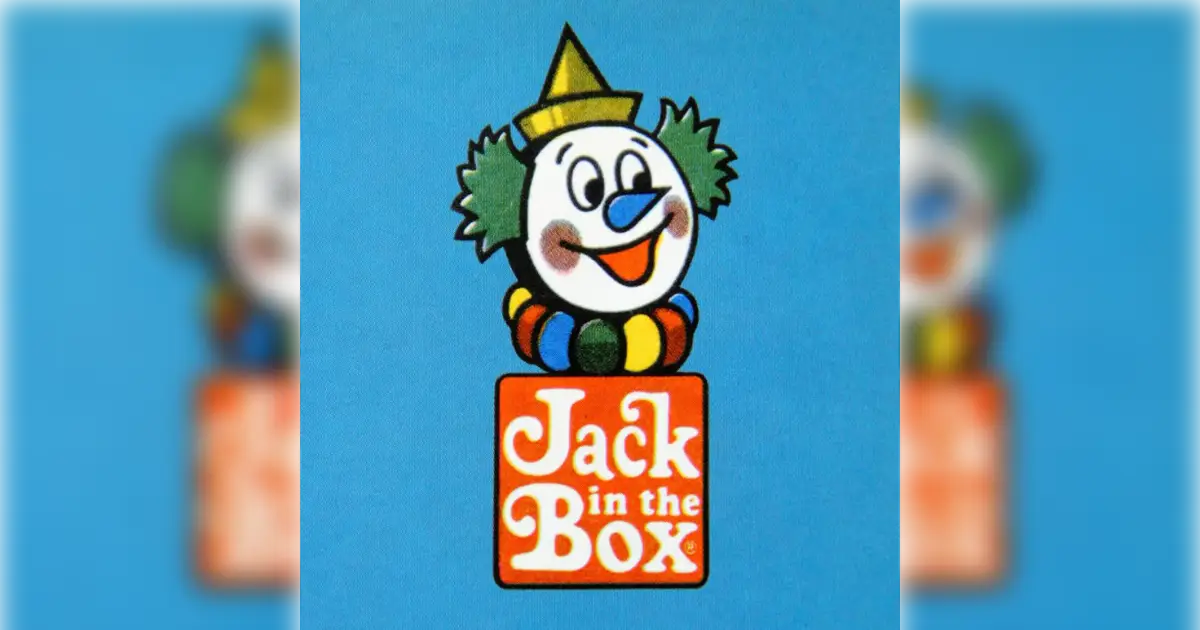
Peterson converted his Oscar’s at El Cajon Boulevard and 63rd Street into the first Jack in the Box in 1951, and the mascot was built into the building itself. A giant Jack figure popped out of a box on the roof. A smaller clown head sat on top of the drive-thru speaker, above a sign reading “Pull forward, Jack will speak to you!”—so the character appeared to take your order personally.
The technology underneath was borrowed. Peterson licensed the two-way intercom from George Manos, who had installed one at a drive-in in Alaska, and paired it with a drive-through window so one car could order while another was served. By 1967, when Peterson sold the chain to Ralston Purina, there were 300 restaurants and the drive-thru had become an industry default.
THE RODNEY ALLEN RIPPY ERA
1973-1974
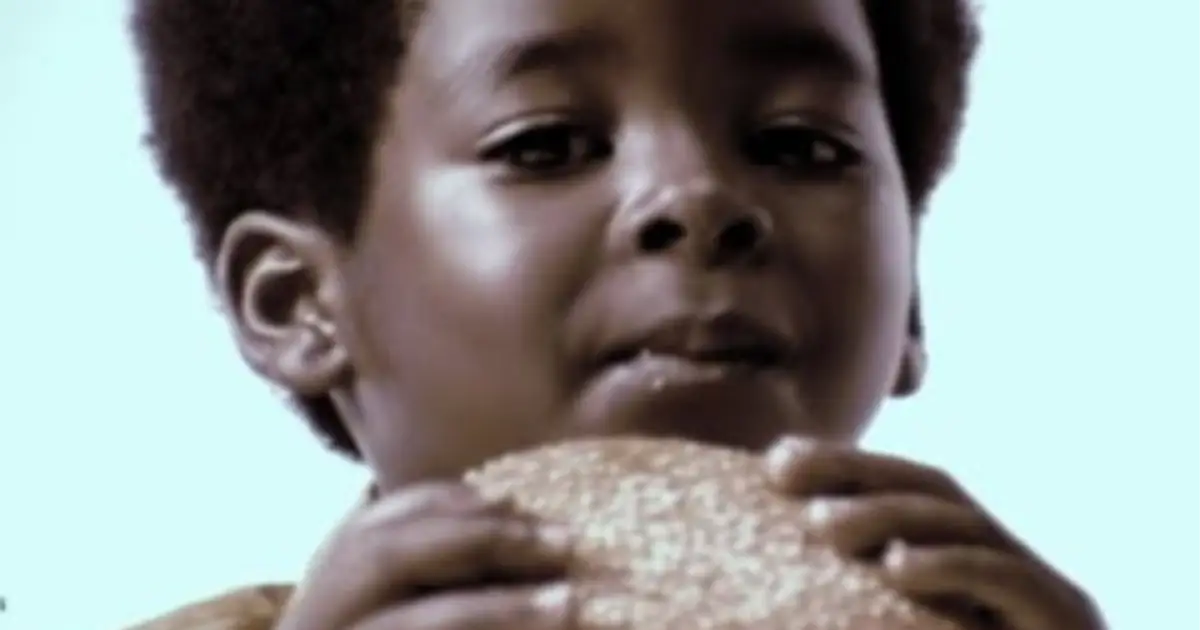
Jack in the Box became a national sensation on the back of a four-year-old. Child actor Rodney Allen Rippy, filmed wrestling with a Jumbo Jack roughly the size of his head, gave up and delivered the line that made him famous: “It’s too big to eat!”—which came out as “it’s too big-a-eat,” and which the country repeated for two straight years.
The campaign spilled past television. Rippy released a tie-in single, “Take Life a Little Easier,” on Bell Records in the fall of 1973. The official mascot in this era was still the clown—but for most viewers, the face of Jack in the Box was a small boy losing a fight with a hamburger.
JACK’S EXPLOSIVE ELIMINATION
1980
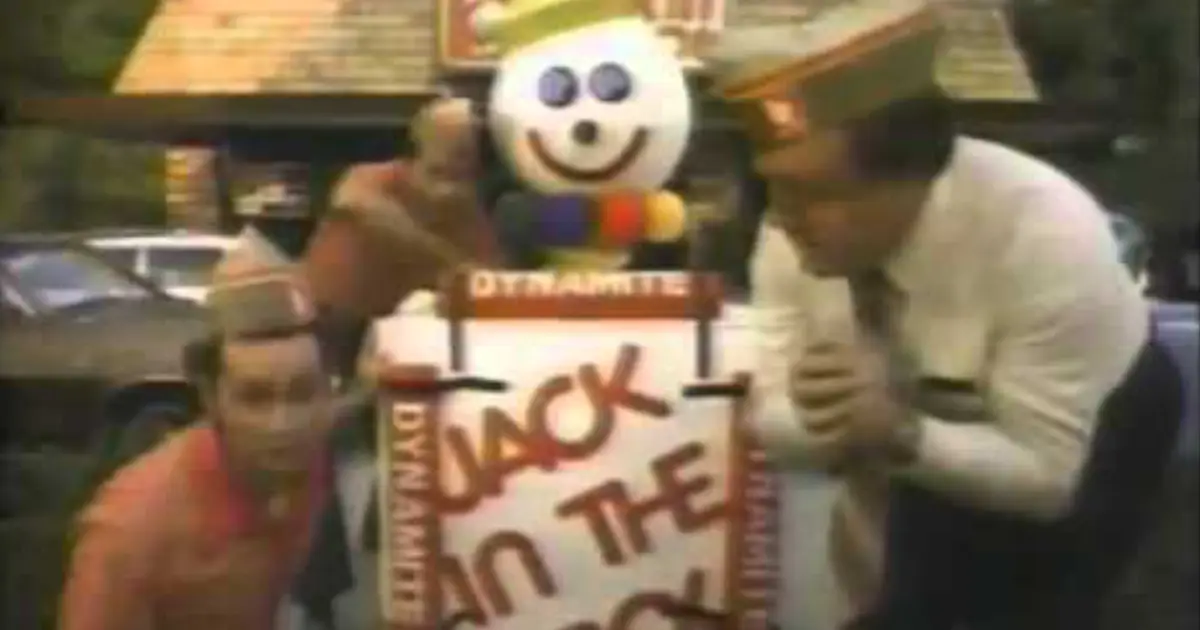
Jack in the Box killed its own mascot on national television. In a spot that ran roughly May 5 to June 2, 1980, the clown was detonated—and the reason was not, as often claimed, that he was “too childish.” The chain was losing badly to McDonald’s and Burger King and had been saddled with a nickname it could not shake: “Gag in the Bag.”
The explosion was the argument. It came from creative director Howie Cohen at Wells, Rich, Greene, who wanted a clean break from the kids-and-clowns positioning that Ronald McDonald owned outright. Blowing up the clown, Cohen said, was “proof that we had changed.” In the spot a customer objects that the clown is cute; an employee replies, “Cute was the old Jack in the Box.” She tries the new food and says: “Waste him!”
It worked absurdly well. The ad scored 72 on Burke Marketing Research’s recall scale against a fast-food category average of 27—and the product it was selling was the Chicken Supreme, the chain’s first chicken sandwich. Jack in the Box had just made its own mascot the scapegoat, and customers rewarded it.
THE MONTEREY JACK’S EXPERIMENT
1985-1986
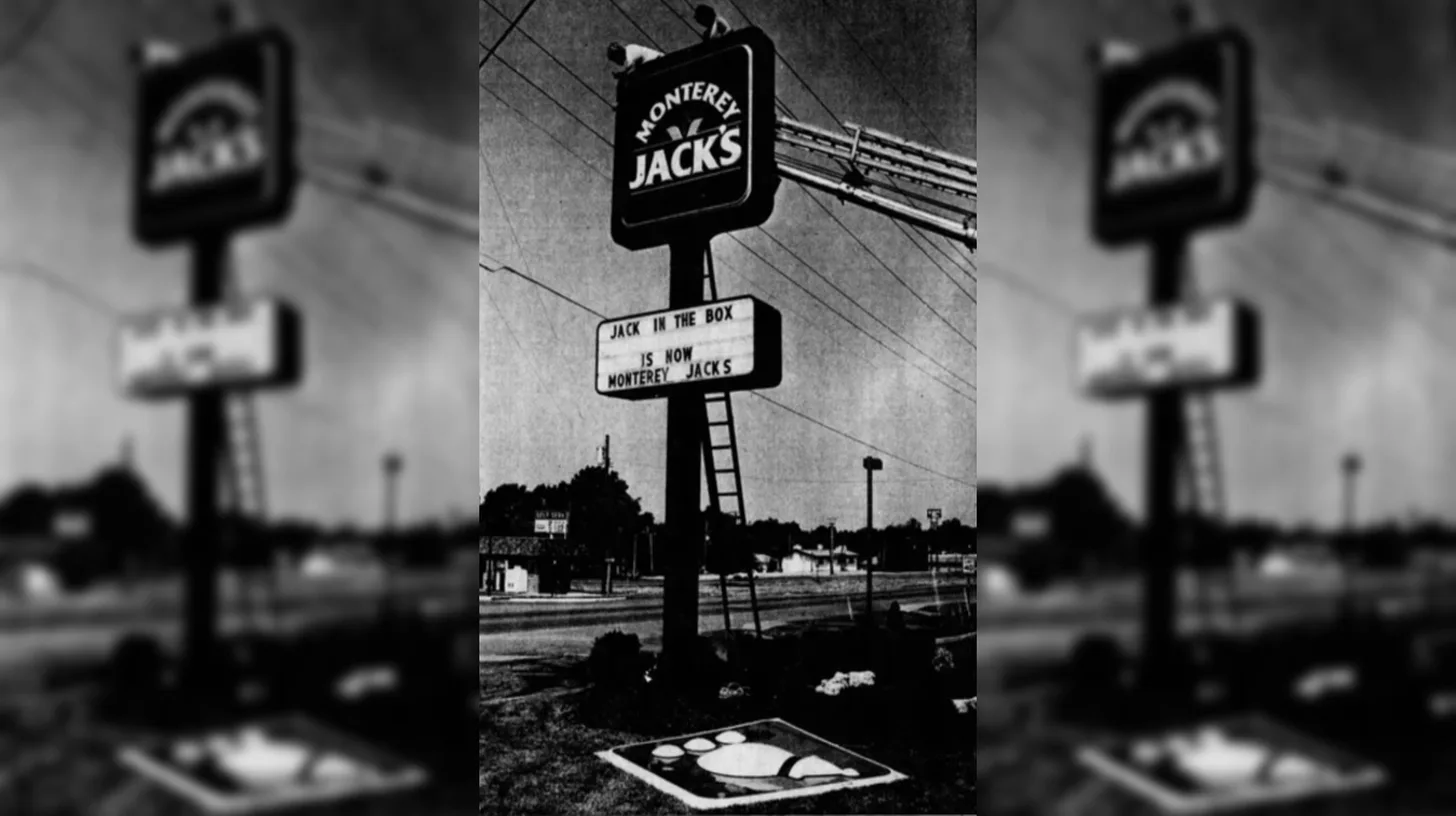
Five years after blowing up Jack, the company briefly stopped being Jack in the Box at all. Under Ralston Purina ownership, the chain rebranded as Monterey Jack’s in May 1985. Company president Jack W. Goodall said the name had tested better than roughly 200 other “Jack”-based candidates.
The rollout was real and it was ambitious. A 1985 St. Louis Post-Dispatch photo caption—running under the headline “Jack Of A Different Color”—shows workmen swapping the old red-and-white sign for blue-and-white Monterey Jack’s signage at 9707 Natural Bridge Road, one of 25 St. Louis-area conversions, with all 800 Jack in the Boxes across the western United States slated to follow within six months.
It was a quiet disaster instead. The new name failed to lift sales or traffic—customers largely didn’t notice the change, or kept calling it Jack in the Box regardless. By March 1986, well inside that six-month conversion window, every location had reverted. The episode is routinely misdated to 1980 and blamed on the clown’s removal; it was a separate decision, five years later, under different owners.
THE E. COLI CRISIS
1993
Then came the outbreak that nearly ended the company. Undercooked, contaminated beef patties served at 73 Jack in the Box restaurants across California, Idaho, Washington and Nevada killed four children and infected more than 700 people, leaving 178 with permanent injury including kidney and brain damage. Most of the victims were under ten.
The 1992-1993 E. coli outbreak pushed parent company Foodmaker toward bankruptcy and rewrote American food-safety practice. Traffic collapsed, lawsuits multiplied, and settlements eventually ran to roughly $44.5 million for franchisees, $8 million for shareholders, and up to $15.6 million for victims. CEO Robert Nugent, later: “We believed that we could recover from it in a relatively quick time, but we miscalculated.”
JACK’S TRIUMPHANT RETURN
1994
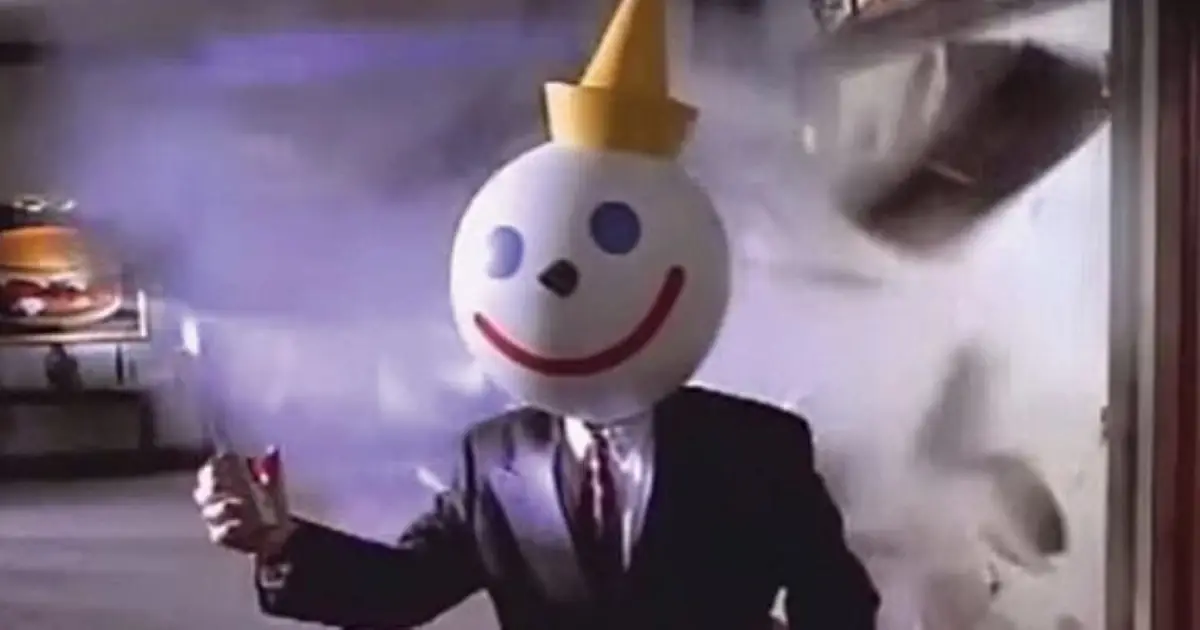
Creative director Rick Sittig—credited as Dick Sittig throughout the trade press of this era—reimagined Jack at TBWA\Chiat\Day in Venice, California. The new Jack was not a clown. He was a businessman in a suit with the same plastic clown head, returning to take back the company that had murdered him.
The debut spot, “Jack’s Back,” first aired in late December 1994 in Phoenix, Sacramento and St. Louis before going national in early 1995. Jack walks in with a briefcase and a newspaper, asks whether viewers remember when he was “fired,” credits “the miracle of plastic surgery,” announces he is ready to make Jack in the Box better than ever—and detonates the boardroom. Contrary to a widely repeated claim, the ad never mentions E. coli at all. It avenges 1980, not 1993.
The business results were not subtle. Foodmaker posted record earnings of $34.1 million for the fiscal year, its 11th consecutive quarterly increase in same-store sales, per-store averages up 6.5% for the year, and systemwide sales above $1.3 billion. Over the campaign’s run the chain went from roughly 1,200 restaurants to 2,200, and the character collected 10 Effie Awards, five of them gold.
PRESIDENTIAL CAMPAIGN
1996
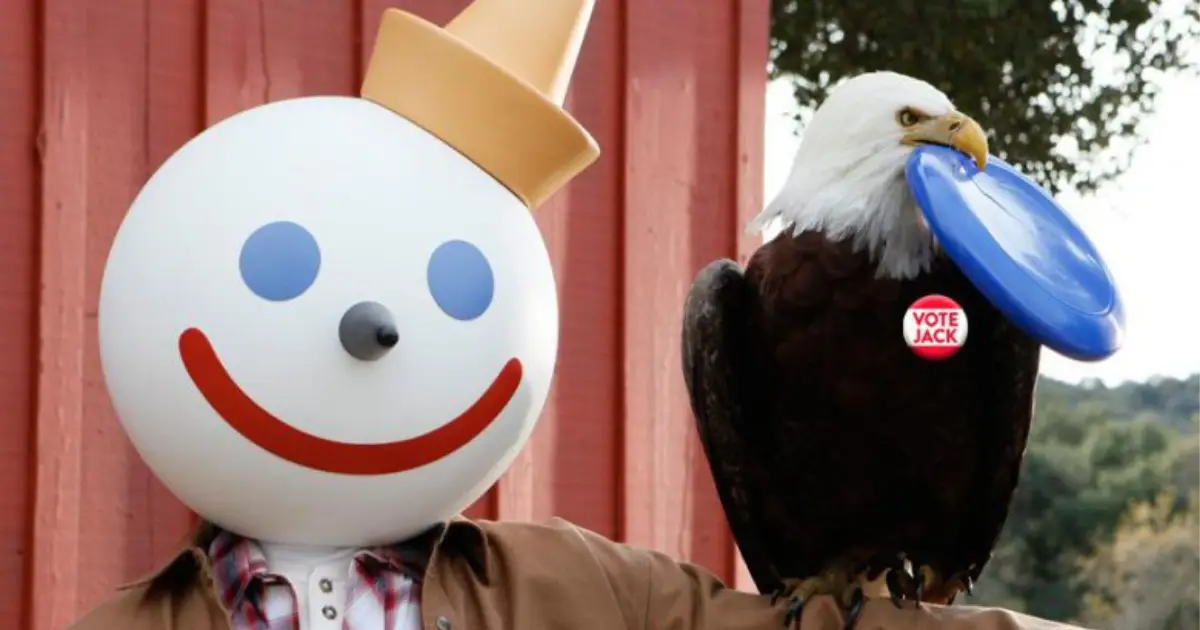
In 1996 Jack ran for President against Bill Clinton and Bob Dole. The stunt came with television spots and real merchandise—bumper stickers and buttons reading “Back Jack for President” and “Don’t blame me, I voted for Jack.” The platform was education, the environment, and milkshakes; Jack denounced an opponent as a “milkshake-hating extremist.”
By Jack in the Box’s own account, he went on to beat Clinton, Dole and Dilbert’s Dogbert in an online “Virtual Vote” poll. That claim comes from the company’s marketing copy about its own marketing stunt, and no polling organization, sample or methodology was ever documented—so treat the victory as canon rather than data.
AGENCY INDEPENDENCE
1997
When TBWA\Chiat\Day took Taco Bell over Jack in the Box, Sittig left and Foodmaker followed him out the door in March 1997. He opened his own shop and registered it under a name chosen to attract no attention whatsoever: Kowloon Wholesale Seafood Co., later renamed Secret Weapon Marketing.
The arrangement was unusual and it is why the character stayed coherent for two decades. Sittig—who had already created the Energizer Bunny at DDB in 1989—made Jack in the Box effectively his only client and kept full creative control of the mascot, writing and voicing him himself.
THE VISIT COMMERCIAL
1997-1998
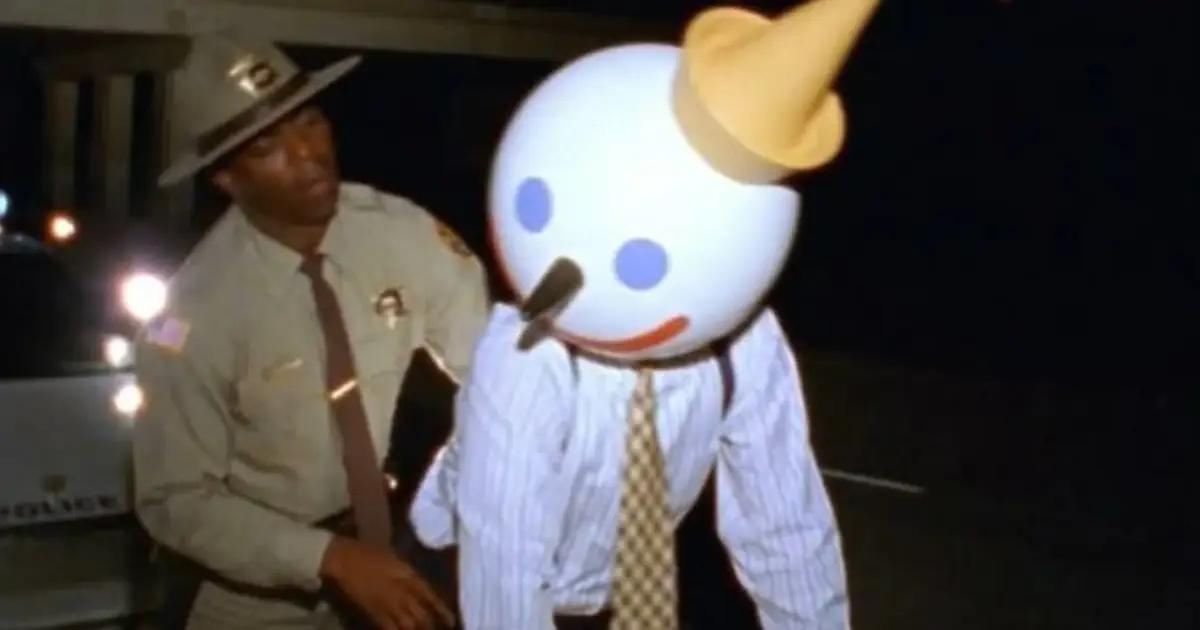
“The Visitor” is the most decorated thing Jack ever did. Shot handheld as a COPS parody, it has Jack pounding on a door demanding to see one Brad Haley, chasing him down, and making him eat a burger—which Haley concedes is “tasty.” The joke buried inside it: Brad Haley was Jack in the Box’s real VP of marketing communications, one of the people responsible for bringing Jack back in the first place. He was played on screen by Courtney Gains, Malachai from Children of the Corn.
The spot dates to 1997 and swept the following awards season, taking a Gold Lion at the 45th International Advertising Festival in Cannes in June 1998 and a Belding Award from the Advertising Club of Los Angeles that April. Sittig said it took two years to make—one to get it approved, one to produce.
THE BUS ACCIDENT CAMPAIGN

2009
During Super Bowl XLIII on February 1, 2009, Jack was hit by a bus while crossing a street named Hope. The ad ended on a cliffhanger and pushed viewers to hangintherejack.com, where the storyline ran for weeks through the emergency room and a coma before Jack woke up to announce a brand reinvention.
It is the clearest example of what made the campaign work: the company committed to treating a man with a plastic head as a real person with a medical prognosis, and audiences went along with it. Then-CMO Terri Graham, on his recovery: “It’s great to have Jack back as we continue to invest in a brand-reinvention strategy.”
END OF THE SITTIG ERA
2015
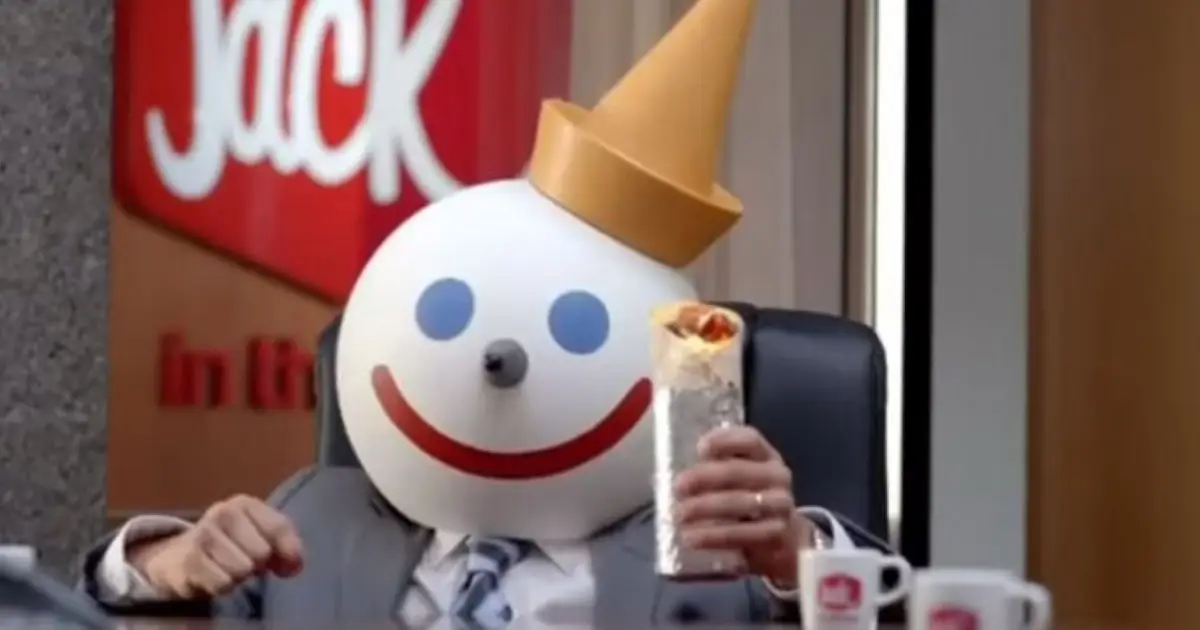
In August 2015 Jack in the Box ended its twenty-year relationship with Secret Weapon Marketing. The company never gave a real reason. Its entire public explanation was that “as the Jack in the Box brand continues to evolve, we will be ending our relationship with creative agency Secret Weapon Marketing,” paired with warm words about twenty years of partnership.
What ended was roughly 400 commercials of unbroken continuity—one writer, one voice, one character. Sittig’s own parting statistic was about the business, not the ads: “We’re proud to have helped Jack in the Box grow from 1200 to 2200 restaurants.” Creative duties went to David&Goliath.
JACK GOES QUIET
2015-2022
Jack survived the handover, but the man behind him didn’t come with it. Sittig had written and voiced the character for two decades, and Jack in the Box has never publicly named who took over either job—which is why the question of who plays Jack has no clean answer after 2015.
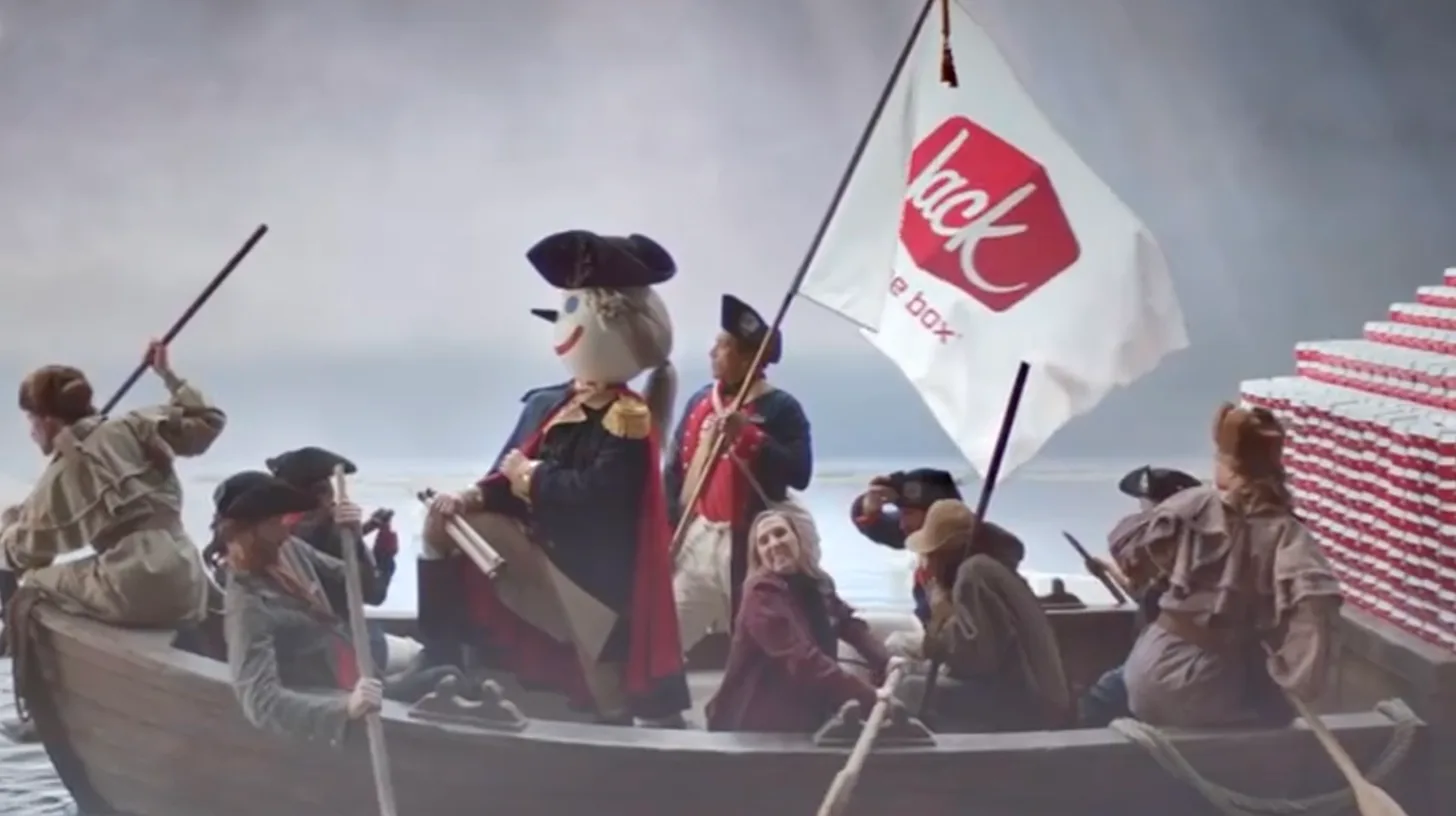
The big-game appearances continued regardless. “Legendary” ran in 2015 for the Buttery Jack, “Declaration of Delicious” put Jack in a powdered wig as George Washington crossing the Delaware in 2016, and a 2018 spot pitted him against Martha Stewart—the brand’s third consecutive Super Bowl ad, and its last documented one.
Then the account went into review in January 2022—and landed somewhere familiar.
THE REUNION
2022-2024
In March 2022 Jack in the Box hired TBWA\Chiat\Day Los Angeles as lead creative agency—the same shop that invented the modern Jack Box in 1994, getting him back a quarter-century later. Erin Riley, the agency’s CEO, framed it exactly that way: “In 1995, we resurrected Jack, turning him into a charismatic CEO, and now we are thrilled to have the opportunity to return Jack to cultural icon status.”
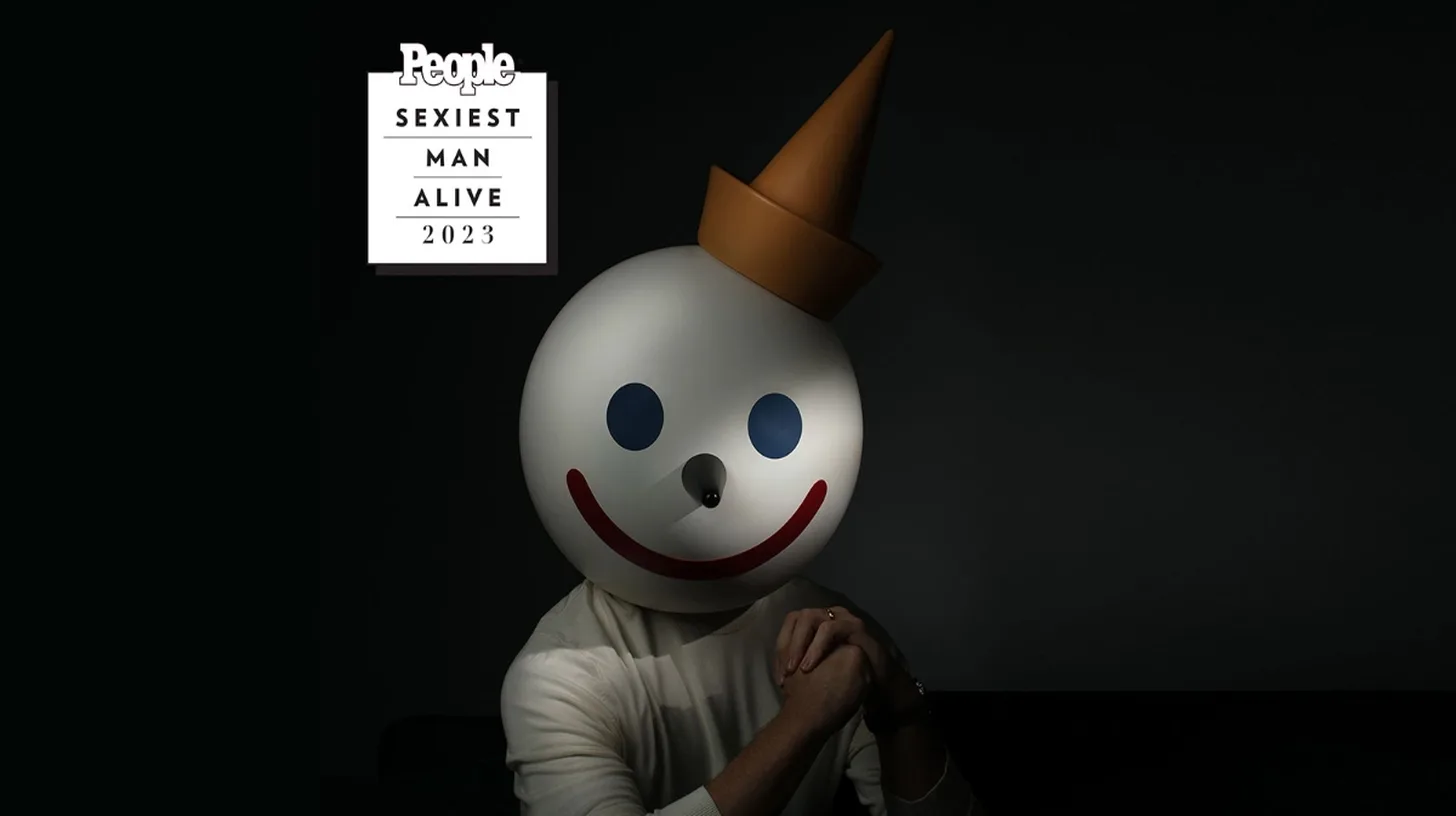
They spent the next two years proving the point. TBWA’s first Jack work since 1997 re-hired Mark Hamill, a genuine 1970s Jack in the Box employee who was reportedly fired for clowning around on the drive-thru speaker. Snoop Dogg’s “Dogg in tha Box” Munchie Meal drove what the company called the most successful late-night window in its history. In November 2023 Jack appeared in PEOPLE’s Sexiest Man Alive issue as the “Sexiest Jack Alive,” which the company billed as the first time a restaurant mascot had been included. That October the brand had also released “Feeding Time,” an eight-minute horror short written by Saw and American Horror Story alumni—a fast-food mascot financing a legitimate slasher film about himself.
The era that made all of it possible ended quietly in between. In September 2024, after 27 years, Sittig closed Secret Weapon Marketing with a break-up letter addressed to the advertising business: “Lately, I’ve noticed your obsession with data and analytics, and I’m sad to say, Advertising, you’ve gotten dull.”
JACK AT 75
2025-2026
Jack in the Box turned 75 in 2026, and the anniversary closed a loop. The campaign kicked off in December 2025 with collectible “Jibbis” charms, two tacos for 75 cents—and the return of the Chicken Supreme, the exact sandwich the 1980 explosion had been advertising when the company blew up its clown to sell it.
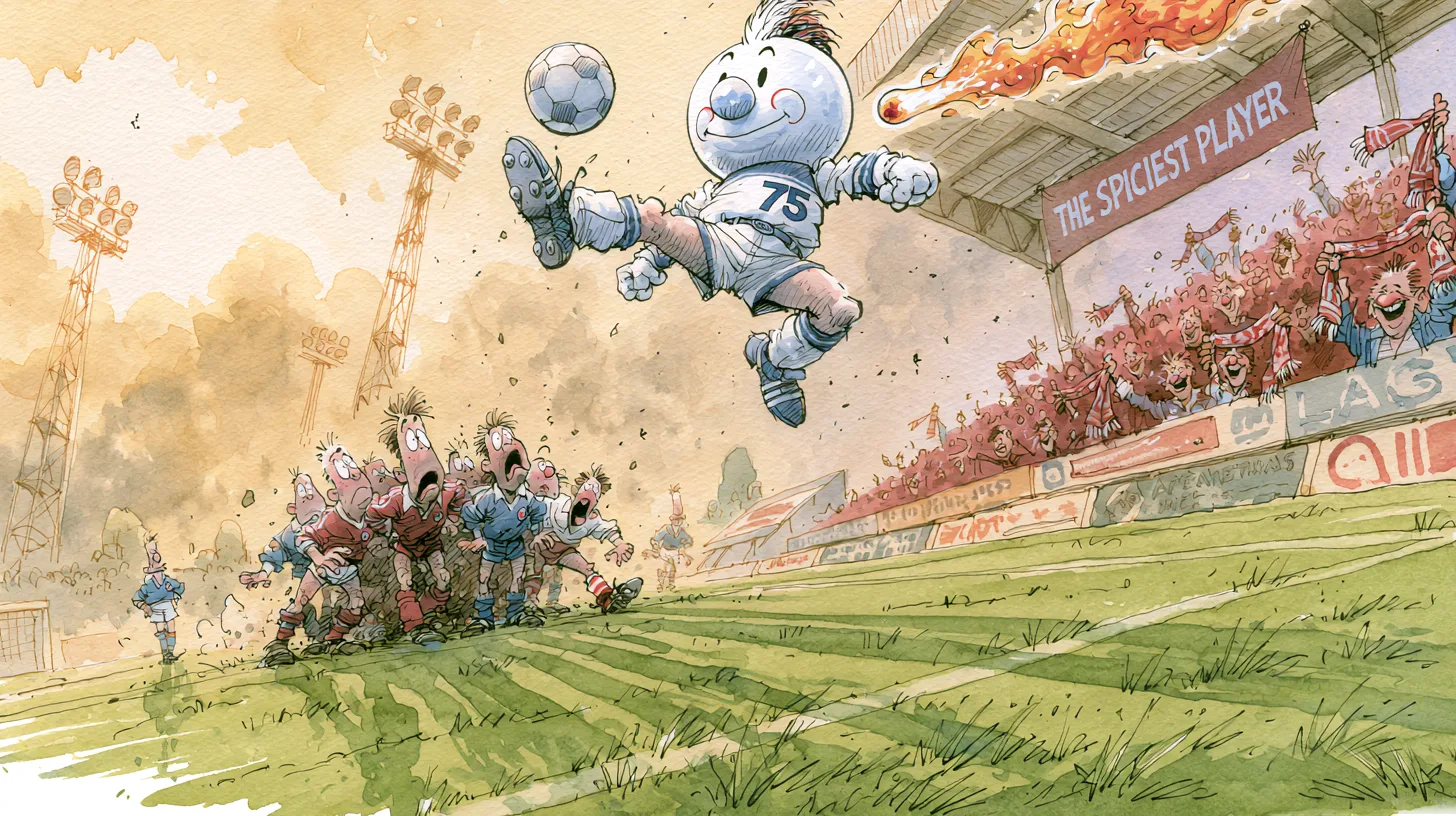
The current work is the strangest yet. In June 2026, TBWA\Chiat\Day LA released “The Spiciest Player”, a two-minute film inventing an untold chapter of Jack’s backstory: Jack Box as a hot-headed 1980s soccer legend, shot with period-accurate jersey fabrics and era hair, in which he drives a cleat into a rival’s face and leaves it there. Fabricating a legend also neatly sidesteps World Cup sponsorship rights. Group creative director Martin Insua: “Jack as a spicy soccer legend is the missing chapter that nobody knew existed.”
WHO IS JACK BOX?
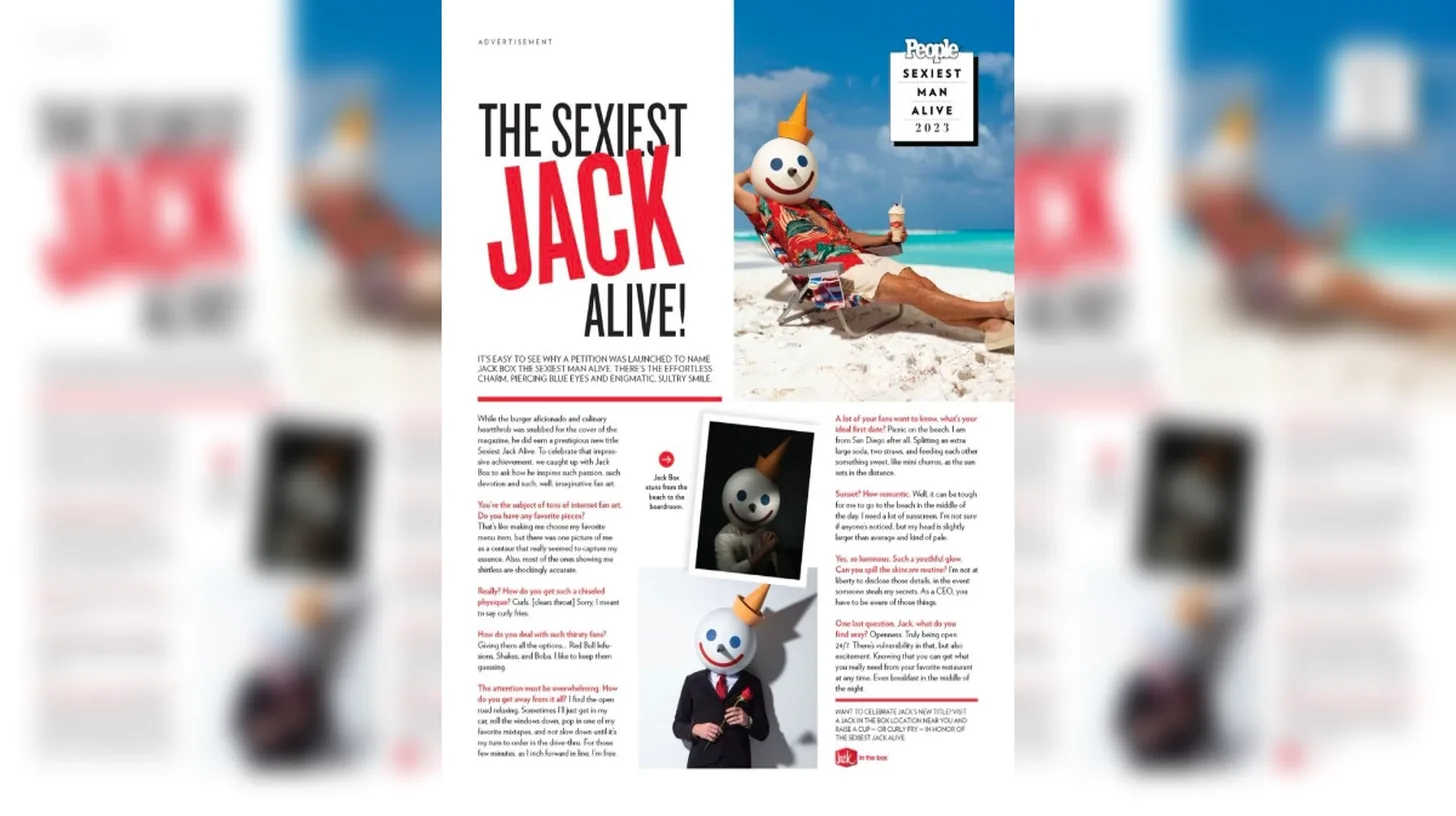
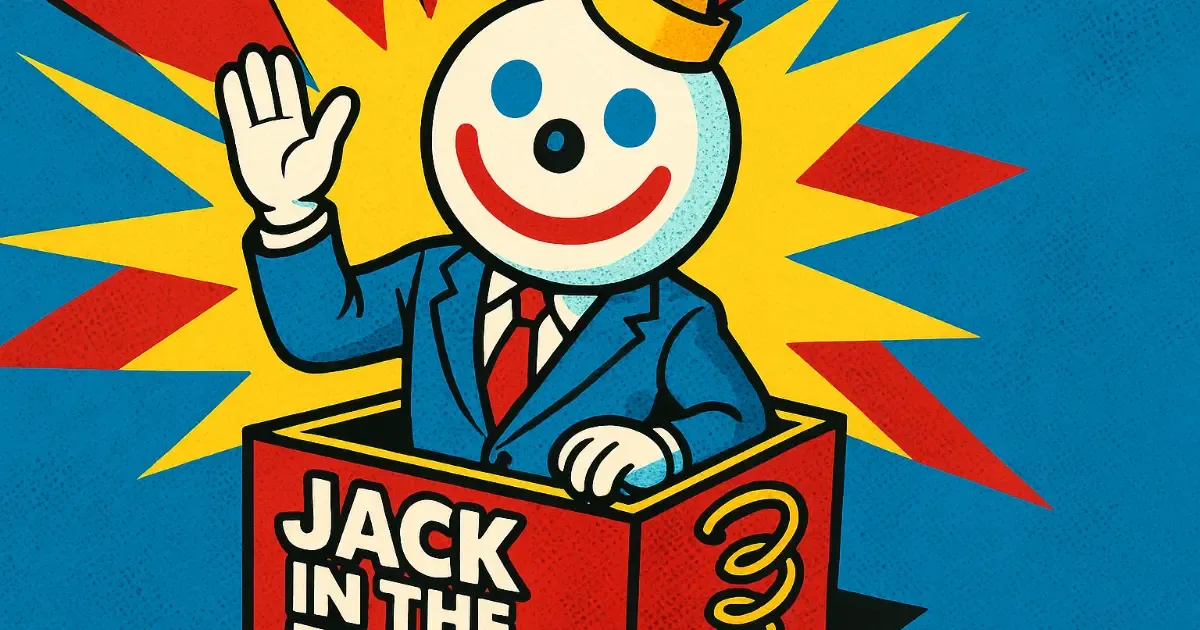
Jack Box is the mascot of Jack in the Box, and the company’s official position is that he is a person: its founder, its CEO, and its spokesman. He is a man in a business suit with an oversized white plastic clown head—two blue dot eyes, a cone nose, a permanent red smile, and a yellow cone hat. His name is a pun on the toy the restaurant is named for.
The company maintains his biography in press releases the way a studio maintains a franchise. He has a wife named Cricket, whom Jack in the Box’s own 2026 materials say he met while playing in an eighties band called Meat Riot. He has run for president, been hospitalized, and been named the “Sexiest Jack Alive.” He also does not age—a running joke the brand now leans on directly, having called him an “ageless king.”
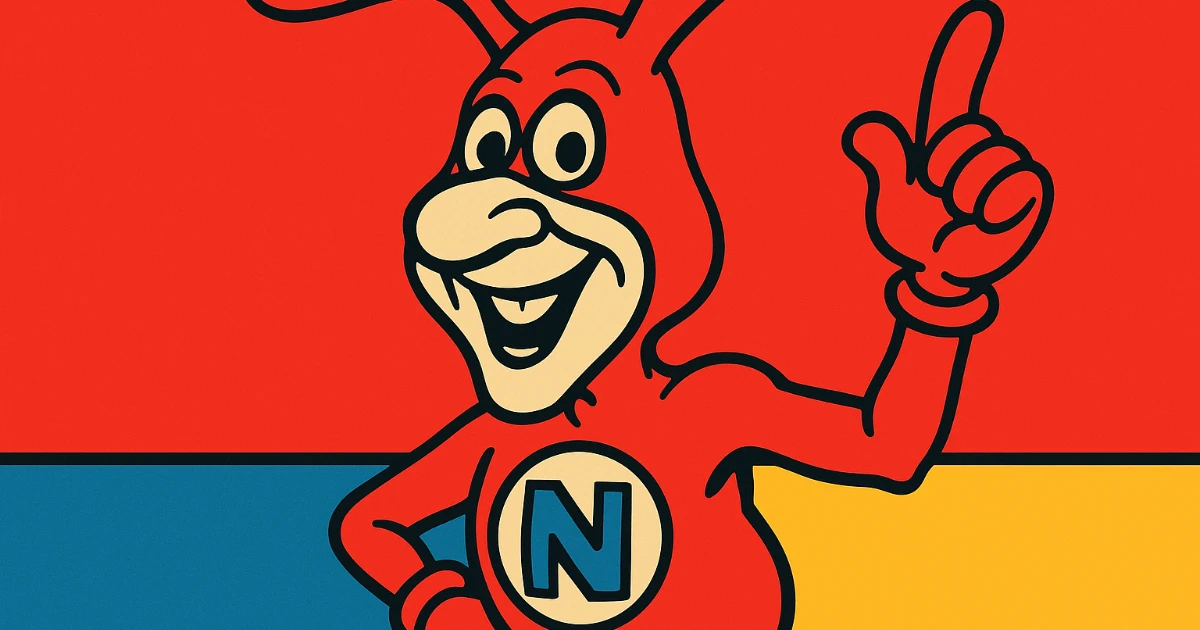
Much of the deeper lore in circulation—a middle initial, a birth date, a full family tree, the names of the actors inside the suit—comes from fan wikis rather than the company, and the versions contradict each other. Where Jack in the Box hasn’t said it, nobody has confirmed it. Compare that to a mascot the corporate parent genuinely erased, like Domino’s The Noid, and Jack’s documented afterlife looks remarkable.
WHAT JACK’S HEAD IS ACTUALLY MADE OF
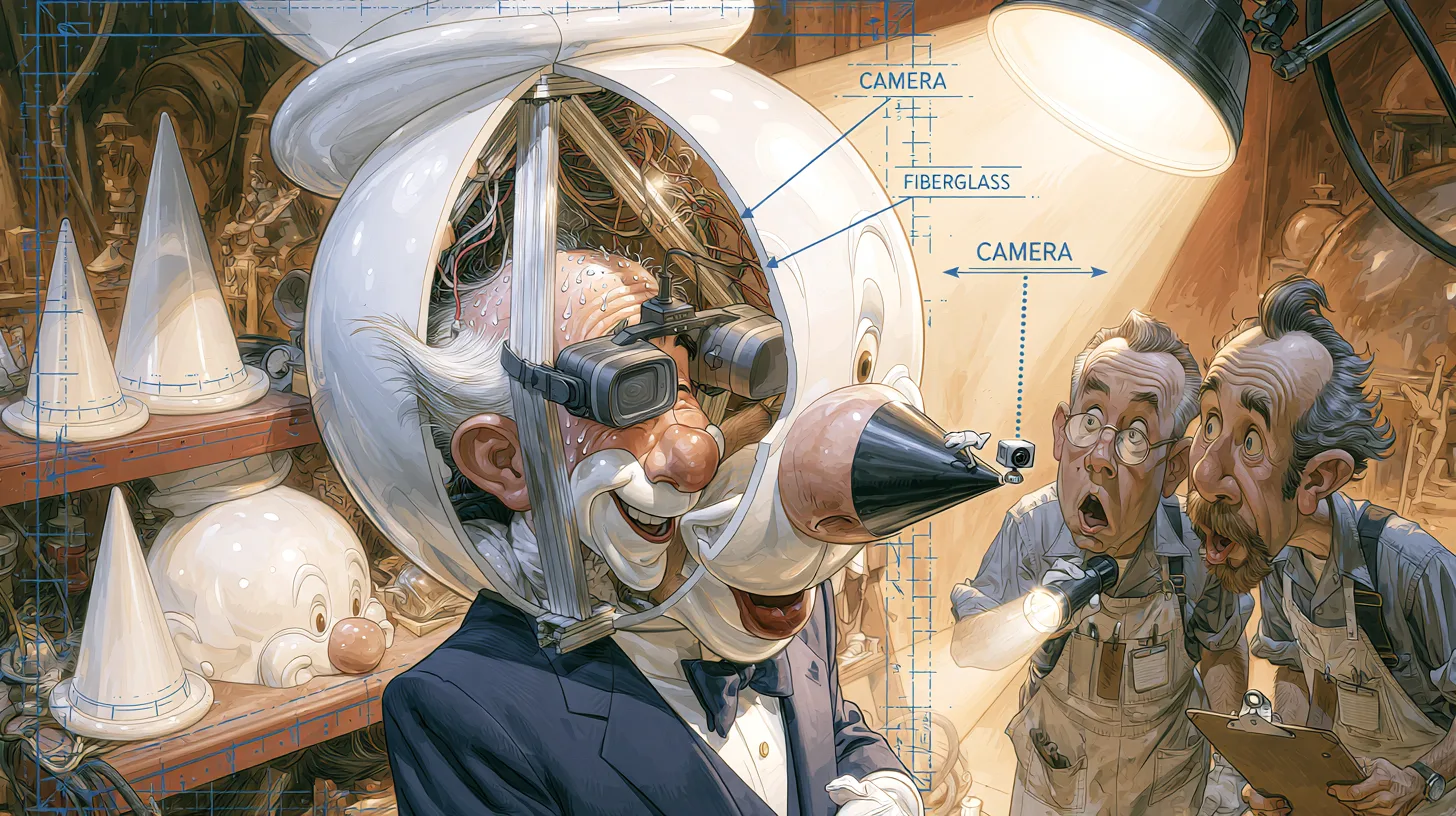
Jack’s head is a practical prop, not CGI. The effects studio Anatomorphex built it from fiberglass, aluminum and electronics, producing multiple versions—electronic vision heads for dialogue and separate stunt heads for physical work.
The performer inside cannot see out of it in any normal sense. A miniature “lipstick” camera hidden behind a hole in the tip of Jack’s black nose feeds video goggles worn inside the mask. For motorcycle and car shots, the off-camera side of the head is cut open entirely so the performer can drive. Which means the most recognizable face in fast food is, structurally, a fiberglass shell with a camera in its nose and a man watching a screen inside it.
JACK IN THE BOX MASCOT FAQ
Who plays the Jack in the Box mascot?
Rick Sittig—credited as Dick Sittig for most of his career—created the modern Jack in 1994 and voiced him until 2015, after winning the part by accident when executives preferred his scratch recording to every professional casting read. The company has never officially named his replacement, and the physical performers who wear the costume head are not publicly confirmed; sources naming them contradict one another.
Is the Jack in the Box mascot still used?
Yes. Jack is the centerpiece of the brand’s current advertising under TBWA\Chiat\Day Los Angeles, appearing throughout the 75th-anniversary campaign in 2026 and starring in the June 2026 World Cup film “The Spiciest Player.” He has been in continuous use since his 1994 return.
What is the Jack in the Box mascot supposed to be?
A businessman with a clown’s head. In company canon Jack Box is a human being—the chain’s founder and CEO—who wears a suit and tie beneath a large white plastic head left over from the restaurant’s 1951 clown branding. The joke of the character is that everyone around him treats this as unremarkable.
How old is the Jack in the Box mascot?
The character dates to 1951, when a clown head sat atop the first restaurant’s drive-thru speaker, making him 75 years old in 2026. The modern suited version is younger: he debuted in December 1994. Jack himself refuses to acknowledge either number.
Is the Jack in the Box mascot married?
Yes, to a character named Cricket. Jack in the Box’s own 2026 press materials describe him meeting his wife Cricket in the 2013 commercial where he fronts an eighties band called Meat Riot, and she has appeared in her own spots since. Details about the actresses who have played her circulate widely but are not confirmed by the company.