

8 min read
A list of the top computer inventions of all time:
THE ANALYTICAL ENGINE (1837)
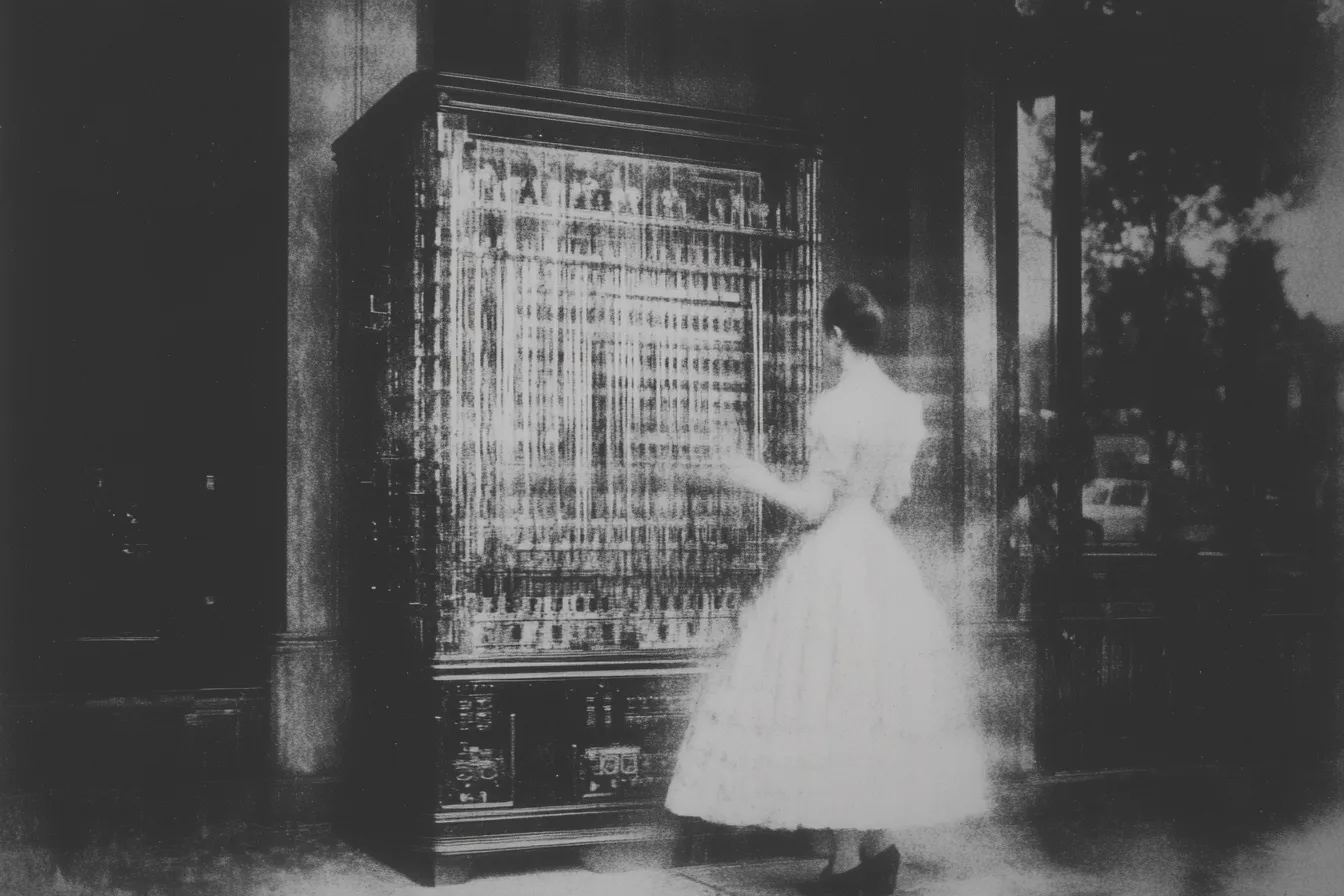
The first computer was invented in 1837. Called the Analytical Engine and designed by Charles Babbage but was never built. However, this theoretical mechanical computer inspired modern programming. A woman, Ada Lovelace wrote the first “code” for it, making her the world’s first programmer.
TRANSISTOR (1947)

In 1947, the first transistor was developed. It was made of germanium and it was about the size of a palm. Today, billions of transistors fit on a single chip, giving us the modern computer age.
ENIAC (1945)
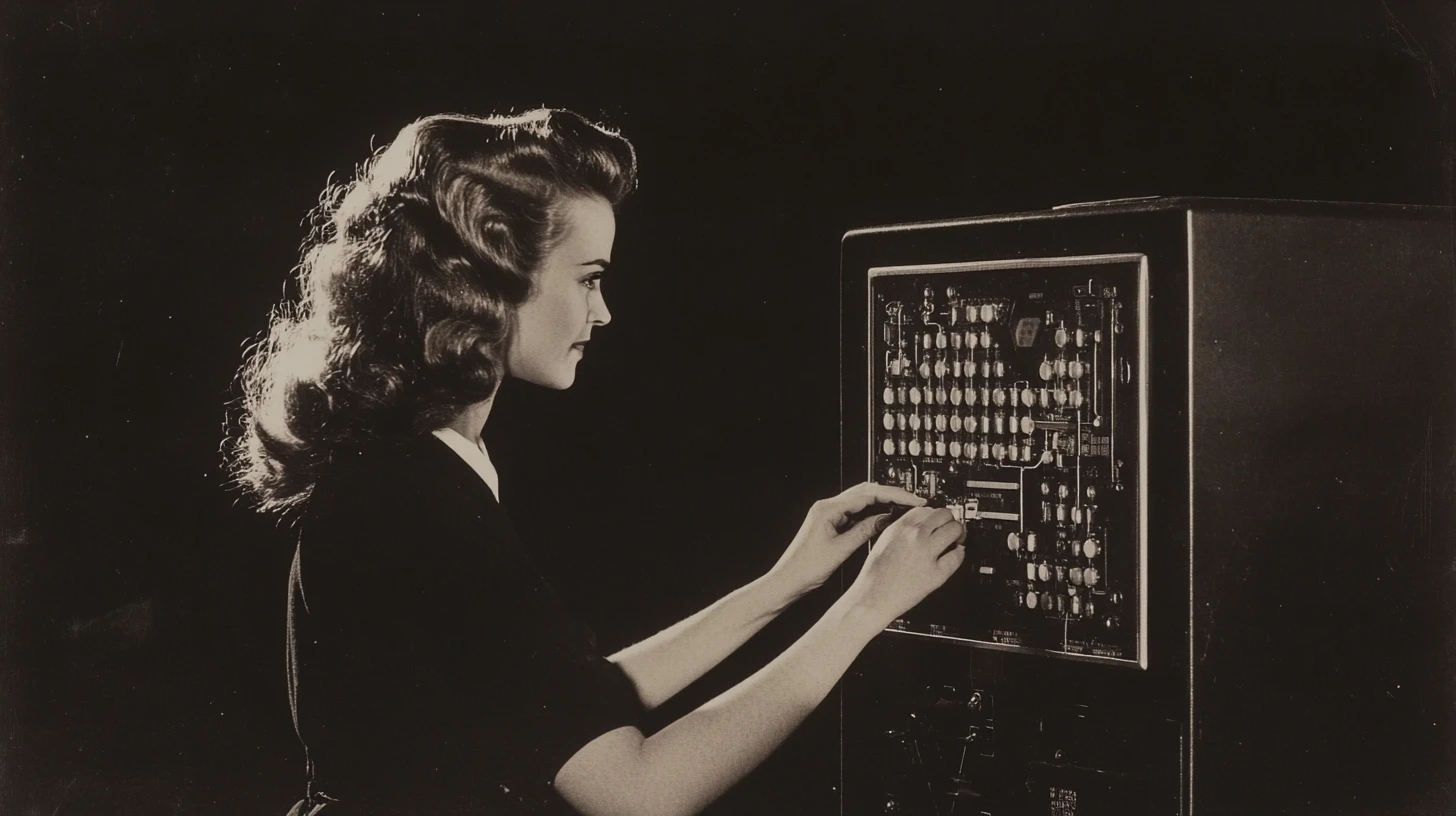
ENIAC was the first programmable electronic computer invented in 1945. In order to operate it needed a team of six women mathematicians to physically rewire its circuits for each calculation. These women programmers remained uncredited for decades while the male engineers who built the 30-ton machine received all the credit initially.
MICROPROCESSOR (INTEL 4004, 1971)
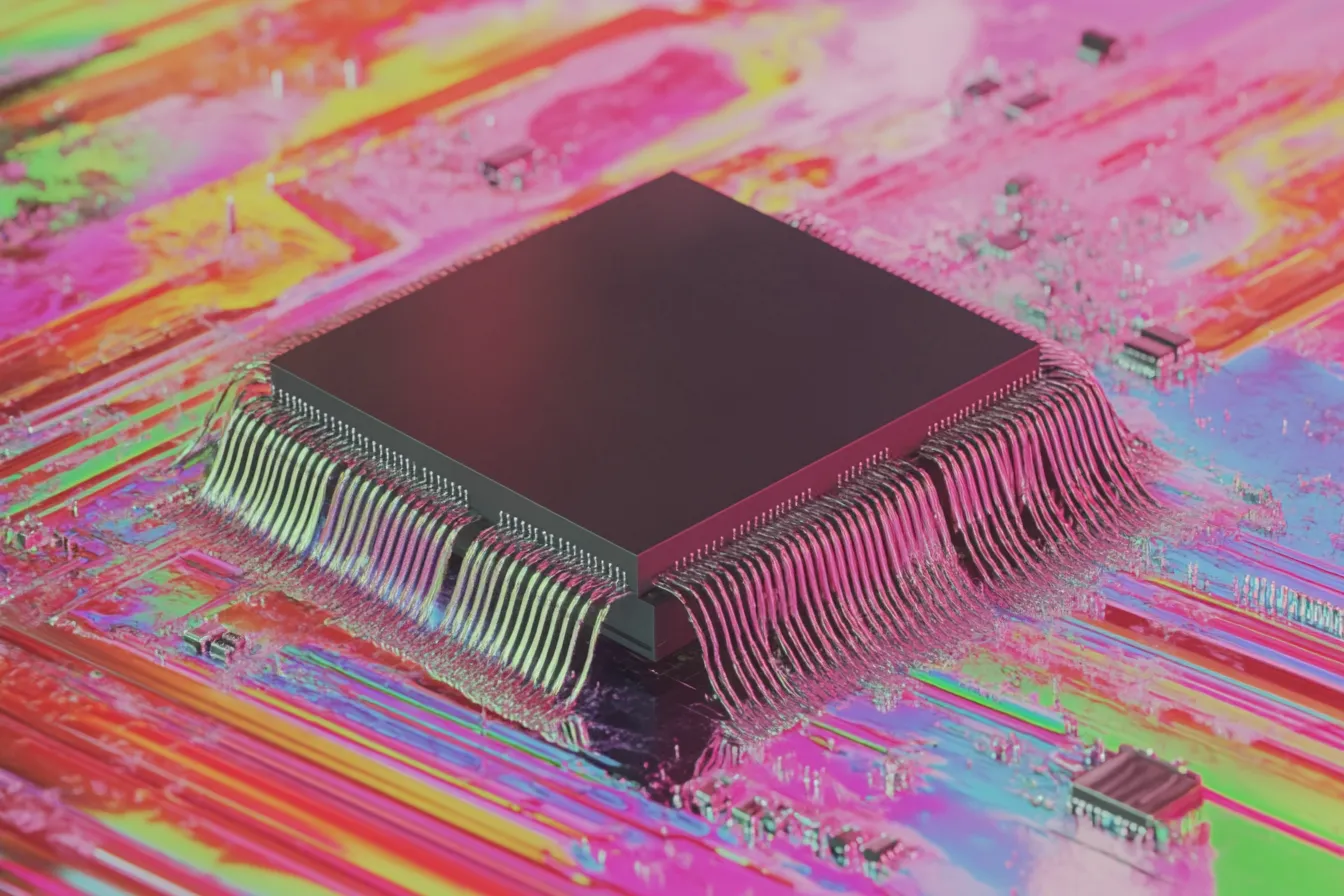
The invention of the microprocessor in 1971 by Intel engineers Ted Hoff and Federico Faggin revolutionized computing by shrinking room-sized processing power onto a single chip the size of a thumbnail. Hoff doubted the project would succeed and called it “the most challenging work” he’d ever done. Within a few years, chips like it were powering the pocket calculators and home computers of the 1970s.
ARPANET (1969)
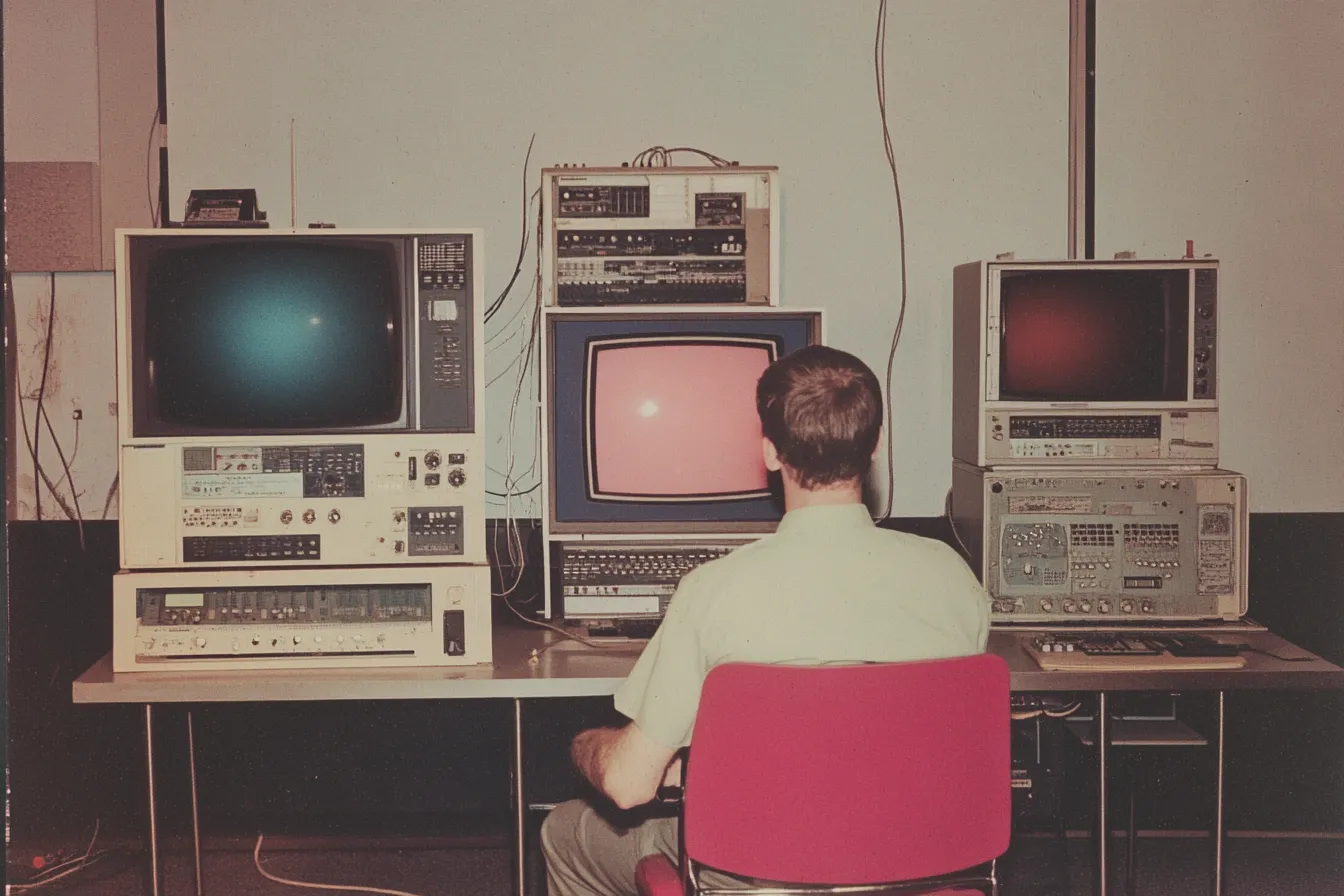
The precursor to the Internet, ARPANET, was a computer network created by the US Department of Defense in 1969. It allowed the first-ever computer-to-computer communication which. It was first used by researchers to share information about the best deals on marijuana after discovering the system’s potential for personal messaging.
EMAIL (1971)

Email was invented in 1971 when computer engineer Ray Tomlinson sent the first network message between two computers. He used the @ symbol to separate usernames from host computers because the symbol was the only punctuation mark that didn’t appear in people’s names. Before email, businesses traded typed messages worldwide over the telex machine.
GRAPHICAL USER INTERFACE (GUI, 1973)
The graphical user interface (GUI) revolutionized computing in 1973 at Xerox PARC when researchers created the first mouse-driven desktop interface. The invention was inspired by psychedelic drug experiences that helped them envision new ways for humans to interact with machines.
WORLD WIDE WEB (1989)
The World Wide Web, created by Tim Berners-Lee in 1989 at CERN, enabled global information sharing via hyperlinked documents. Instead of trying to get rich, Berners-Lee chose not to patent his invention but instead gave it freely to humanity.
SEARCH ENGINES (1990S)
The first search engines, like Archie in 1990, indexed FTP files rather than websites. Later, the first web crawler, WebCrawler, shocked its creator, Matthew Gray, when it indexed a mere 110,000 websites, which represented basicallythe entire World Wide Web in 1994.
SMARTPHONES (1994)
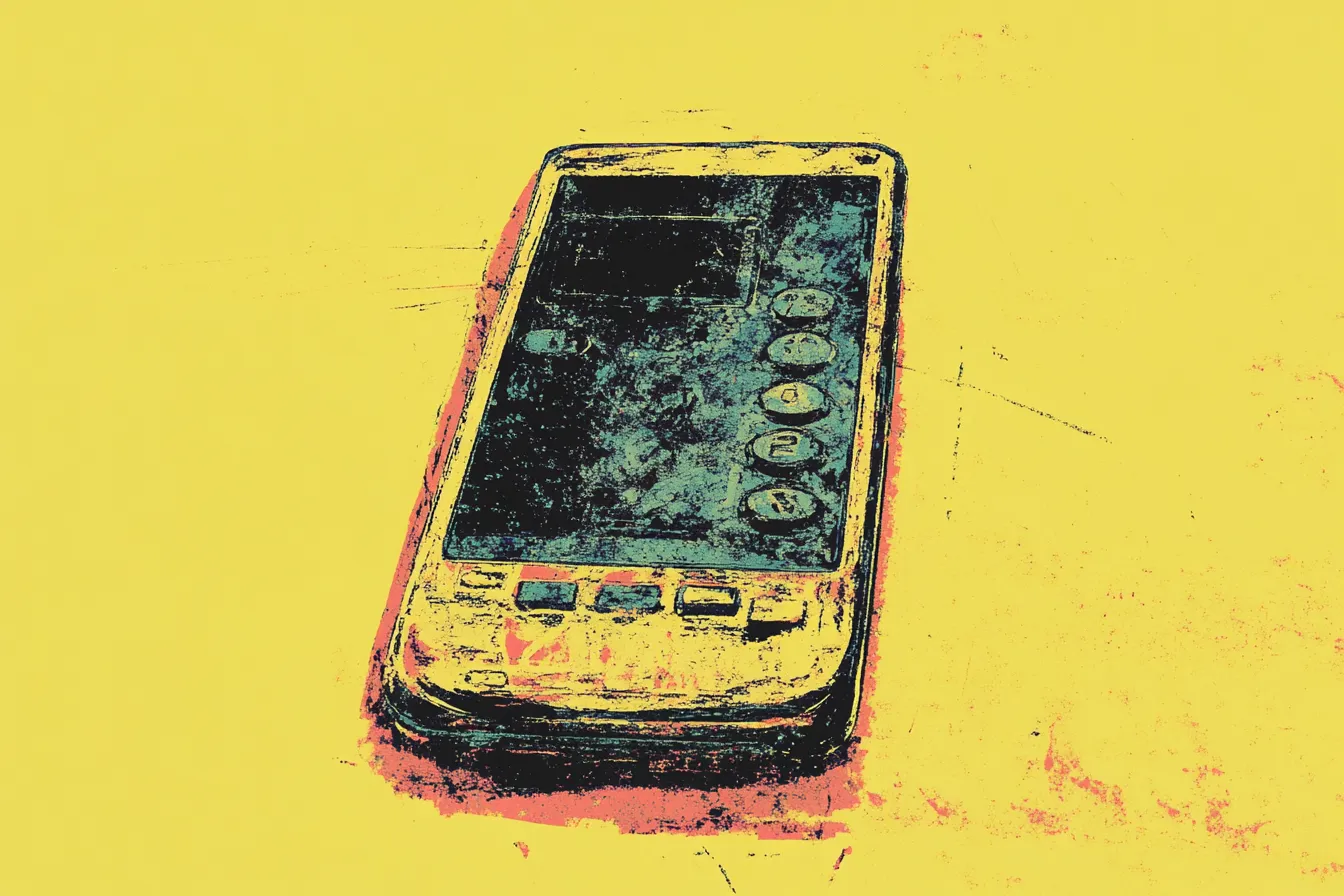
The IBM Simon, released in 1994 for $1,100 ($2,175 in 2024), was the world’s first smartphone. It was a clunky 1-pound brick that had a touchscreen, email capability, and could even install third-party applications (predating the term “app” by over a decade).
SOLID-STATE DRIVES (SSDS, 1970S)
Solid-state drives (SSDs) revolutionized data storage in the 1980s by eliminating moving parts. Early models cost a staggering $1000 per megabyte—like paying $1 million today for storage that could barely hold a single smartphone photo!
USB (1996)
The Universal Serial Bus (USB) was developed in 1996 by a consortium of seven tech companies, including IBM and Intel. It revolutionized computer connectivity by replacing a chaotic tangle of specialized ports with a standardized interface.
WIFI (1997)
WiFi was invented in 1977 because of a radio astronomy experiment by the CSIRO in Australia. The project aimed to detect exploding mini black holes. However, their research found that radio waves reflecting off of tiny particles led to the development of a wireless network patent, which is now the foundation of modern WiFi protocols.
GPS (1978)
The first GPS satellite was launched in 1978 and was designed to guide nuclear missiles. The satellite contained precise atomic clocks that had to be corrected to account for Einstein’s theory of relativity since time moves slightly faster in orbit than on Earth.
BLOCKCHAIN (2008)
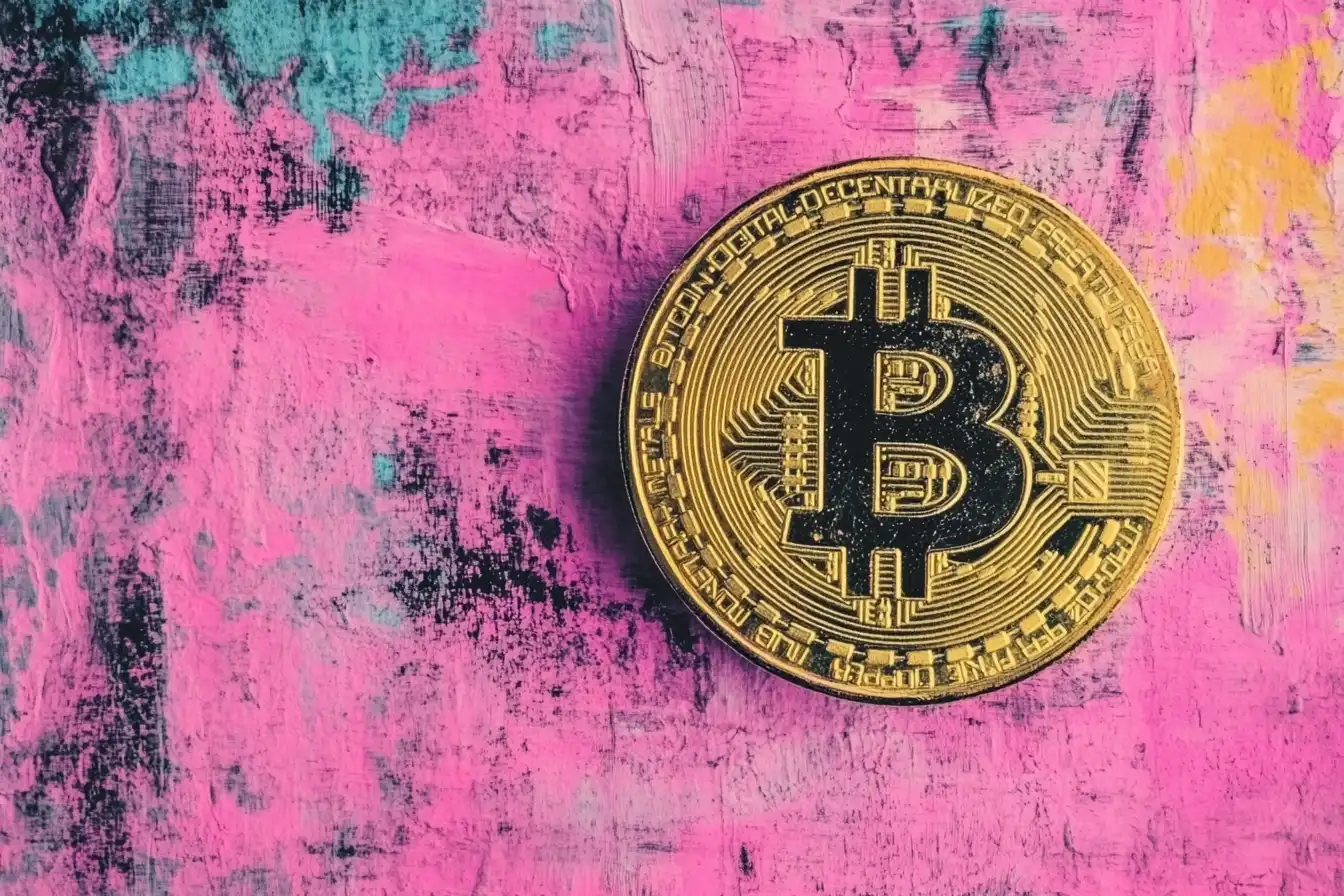
Blockchain technology was first conceptualized in 1991 by researchers Stuart Haber and W. Scott Stornetta as a way to timestamp digital documents. However, it gained widespread attention via Bitcoin in 2009 when an anonymous creator mined the first block with a hidden message about bank bailouts embedded within its code.
OPEN-SOURCE SOFTWARE (1983)
The open-source software movement was sparked by Richard Stallman’s 1983 GNU Project. It allowed computers to build collaborative development practices that would eventually power 96.3% of the world’s top million web servers through the Linux operating system.
VIRTUAL REALITY (1962)
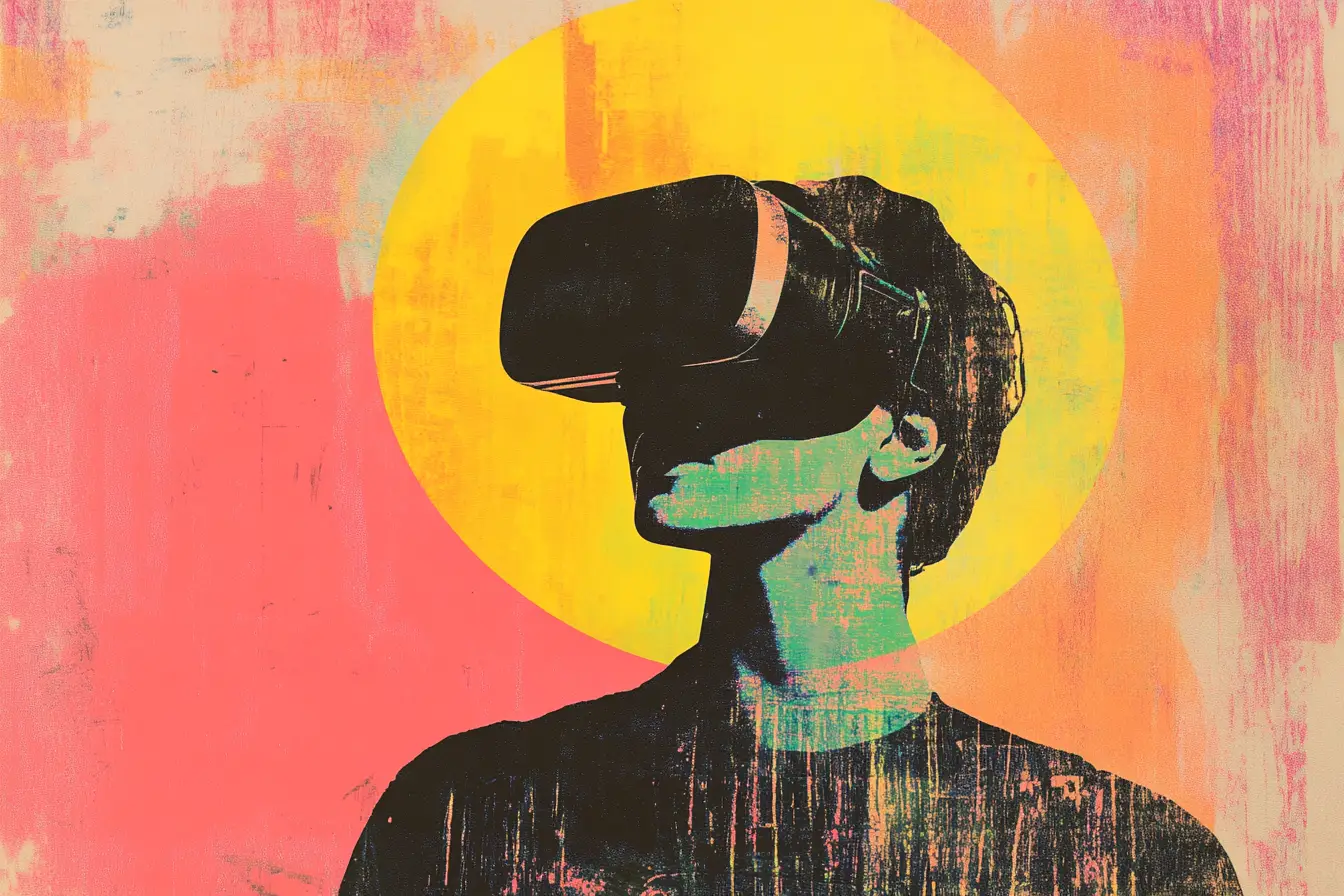
Virtual reality’s origins trace all the way back to 1962 when cinematographer Morton Heilig created the first VR machine called the Sensorama. It included smell generators that would release aromas like ocean breeze during simulated motorcycle rides through Brooklyn.
3D PRINTING (1983)
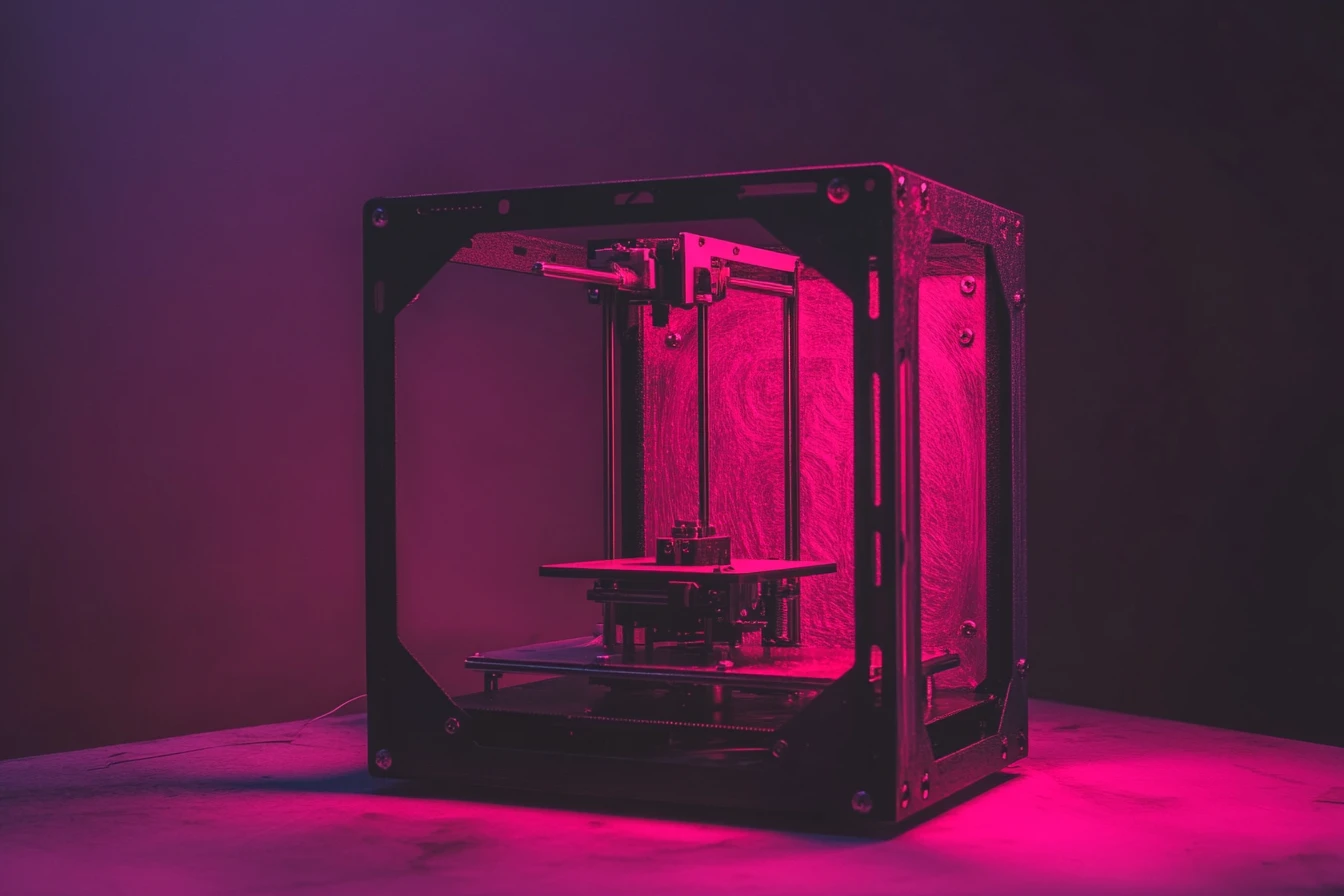
Chuck Hull invented the first 3D printer in 1983 when he successfully used ultraviolet light to cure layers of photopolymer resin into a solid teacup.
QUANTUM COMPUTING (2019)

Quantum computing’s development began in 1981 when Richard Feynman proposed harnessing quantum mechanics for computation. Physicists theorize that a single quantum computer can perform calculations in parallel across infinite alternate universes.
ARTIFICIAL INTELLIGENCE (1956)

Artificial intelligence emerged from a small 1956 Dartmouth workshop where scientists coined the term “AI.” The team would unwind by playing the Chinese strategy game Go, which their early AI programs wouldn’t successfully master for another 60 years until DeepMind’s AlphaGo victory in 2016.
TOUCHSCREENS (1965)
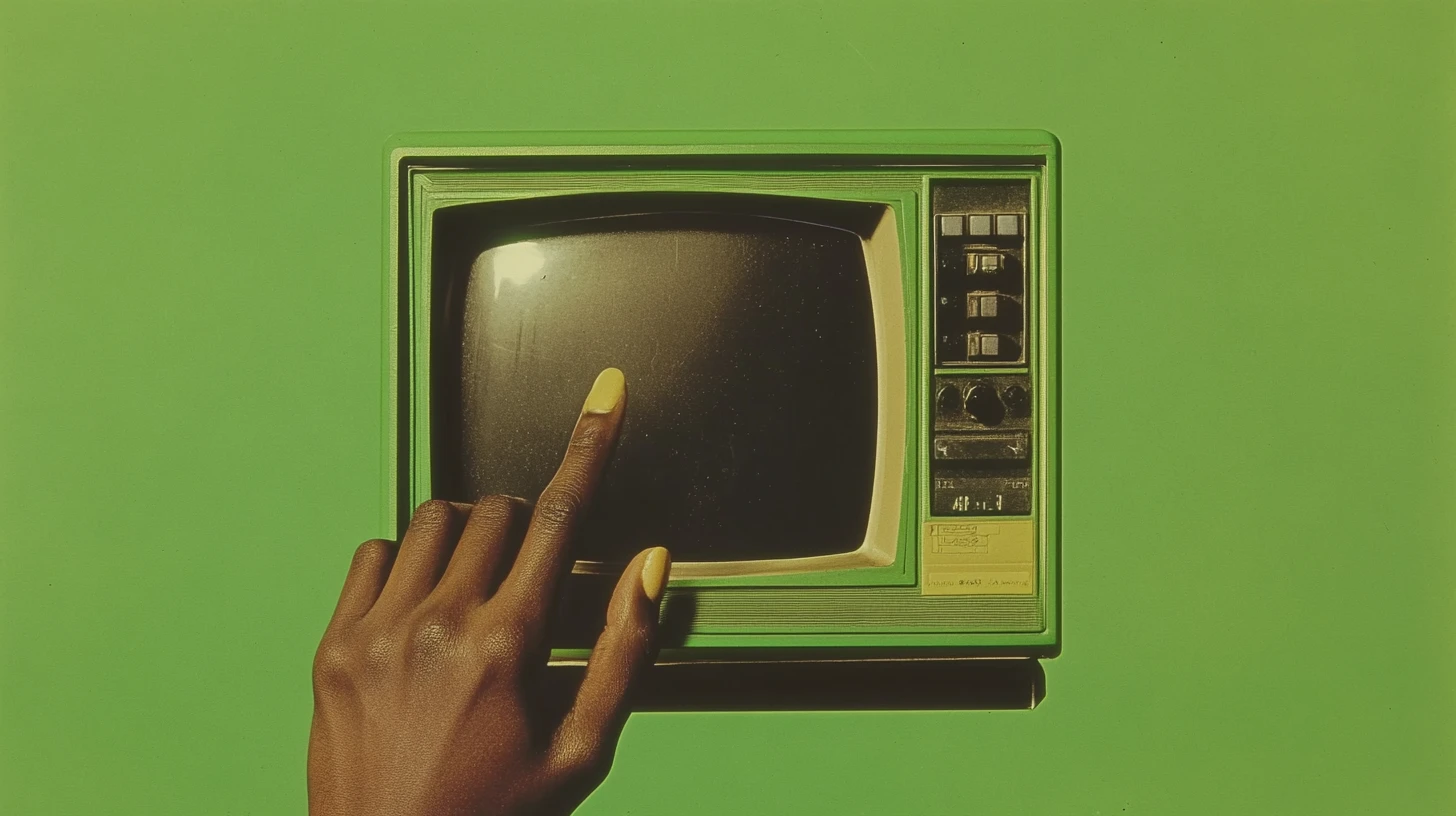
In 1965, E.A. Johnson of the Royal Radar Establishment created the first touchscreen interface. The computer could only process one touch at a time and was used by British air traffic controllers who had to press so hard on the screen that their fingers would frequently bruise.
CHATGPT (2020)

ChatGPT was launched in November 2022 by OpenAI. It sparked a global AI revolution by demonstrating conversational AI to over 100 million users within two months. It was the fastest-growing consumer application in history.
CRISPR (2012)
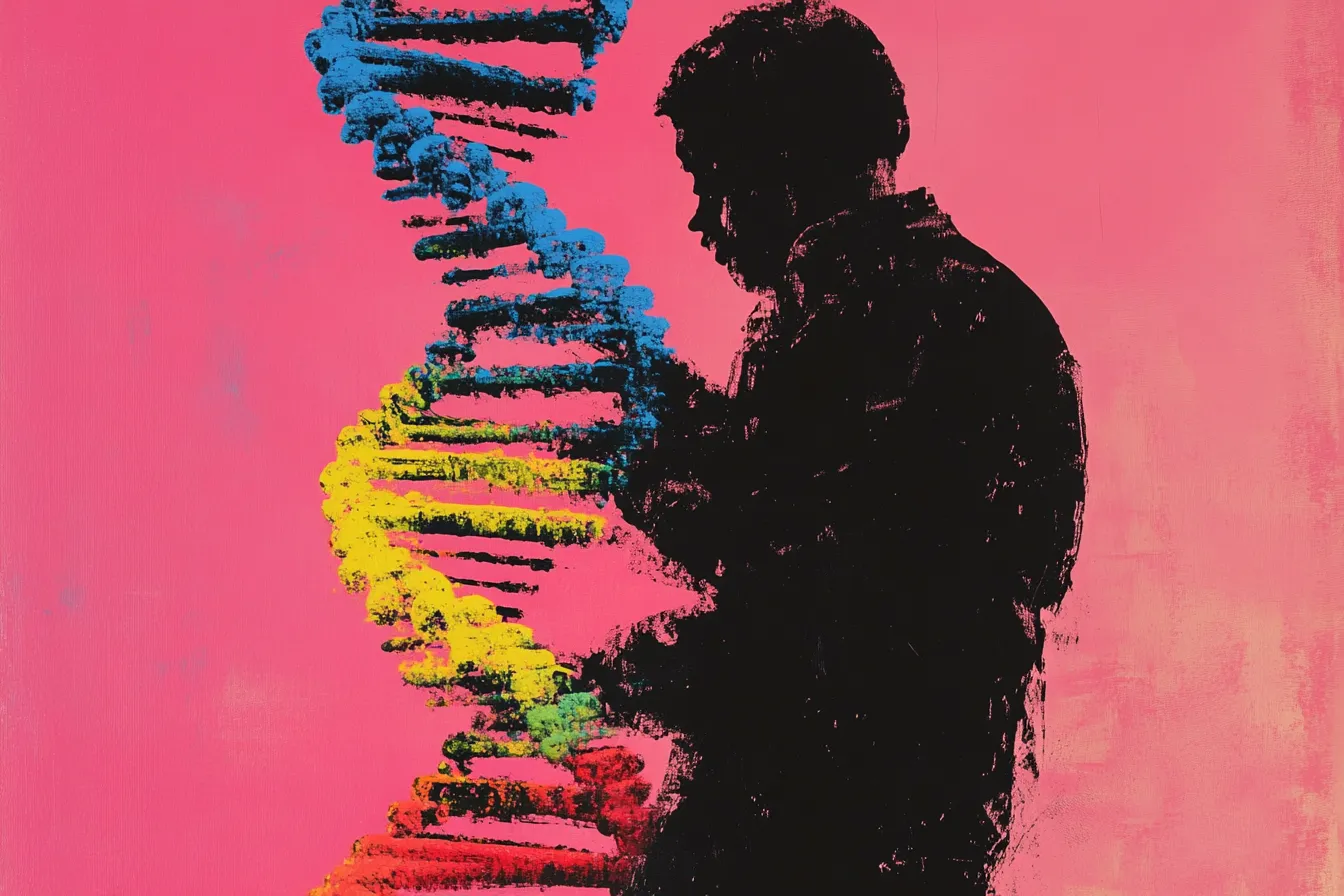
The gene-editing tool CRISPR was discovered when scientists noticed bacteria had evolved precise DNA-cutting abilities to fight off viruses. It made genetic engineering possible in 2012 by allowing researchers to modify specific genes with the accuracy of molecular scissors. This has led to breakthroughs like engineering mosquitoes that can’t spread malaria.