6 min read
LIST OF PRESIDENTS & CEOS OF MORGAN STANLEY
- Harold Stanley (1935-1951)
- Perry Hall (1951-1961)
- Partnership so no President (1961-1970)
- Samuel B. Payne (1970-1971)
- Chester H. Lasell (1971-1972)
- Robert H. B. Baldwin (1973-1982)
- S. Parker Gilbert (1983-1984)
- Richard B. Fisher (1984-1997)
- Phil Purcell (1997-2005)
- John Mack (2005-2009)
- James P. Gorman (2009-2023)
- Ted Pick (2024-present)
HAROLD STANLEY (FOUNDER OF MORGAN STANLEY)

Harold Stanley was one of the founding partners of Morgan Stanley, established in 1935.
As co-founder, along with Henry Sturgis Morgan—both of them former partners at J.P. Morgan & Co., which the Glass-Steagall Act forced to spin off its securities business—he helped build Morgan Stanley into a prominent investment bank in its early years.
Stanley served as a leader in the firm during the formative years between 1935-1951, establishing its initial reputation and approach in the financial sector.
PERRY HALL
Succeeding co-founder Harold Stanley, Perry Hall assumed the presidency of Morgan Stanley in 1951, leading the firm for the next decade.
As president from 1951-1961, Hall guided Morgan Stanley into new areas like publicly offering bonds for the World Bank and General Motors.
After a decade at the helm of Morgan Stanley, Hall passed on leadership in 1961, capping his long career in finance.
SAMUEL B. PAYNE
After Morgan Stanley operated as a partnership for nearly a decade, Samuel B. Payne took over leadership as president in 1970.
Payne’s term was short, lasting only a year before he passed the reins in 1971.
Though brief, Payne’s presidency marked the end of Morgan Stanley’s partnership structure and a transition back to formal corporate leadership.
CHESTER H. LASELL
Succeeding Samuel B. Payne in 1971, Chester H. Lasell assumed the role of president at a time of leadership change for Morgan Stanley.
Lasell led Morgan Stanley for just a year before passing the presidency to Robert H.B. Baldwin in 1972.
Though his tenure was brief, Lasell guided Morgan Stanley in 1971-1972 as the firm continued evolving beyond its early partnership structure.
ROBERT H. B. BALDWIN
Taking over the presidency in 1973, Robert H.B. Baldwin went on to lead Morgan Stanley for the next decade.
Baldwin’s lengthy tenure brought stability and oversight during a formative modernization period for Morgan Stanley.
After overseeing major offerings for clients like IBM and AT&T, Baldwin capped his long Morgan Stanley career with the presidency from 1973 until 1982.
S. PARKER GILBERT
After Robert H.B. Baldwin’s long tenure ended, S. Parker Gilbert assumed the Morgan Stanley presidency of the bank in 1983.
Gilbert’s time as president was brief, lasting only two years before he passed leadership to Richard B. Fisher in 1984.
Though his presidency was short, Gilbert guided Morgan Stanley in the early 1980s as the economy recovered from recession.
RICHARD B. FISHER
Taking the reins from S. Parker Gilbert in 1984, Richard B. Fisher stepped into the Morgan Stanley presidency for over a decade.
Fisher led Morgan Stanley through technological innovation in the 1980s and 1990s, developing early financial modeling computers and expanding internationally.
After 13 years overseeing Morgan Stanley’s growth into a global firm, Fisher passed the presidency in 1997 to Philip J. Purcell amid a major merger.
PHIL PURCELL
Following Morgan Stanley’s merger with Dean Witter Discover in 1997, Phil Purcell became Chairman and CEO of the newly combined Morgan Stanley Dean Witter.
Purcell led the firm for eight years, overseeing additional deals like the acquisition of Discover Card, before controversies surrounding strategy and management forced him to retire in 2005.
Though his tenure ended in turmoil, Purcell guided Morgan Stanley through transformational mergers that reshaped the firm in the late 1990s and early 2000s.
JOHN MACK
John Mack took over leadership of Morgan Stanley in 2005, succeeding former CEO Philip Purcell after a period of strategic uncertainty and management turmoil.
As Chairman and CEO from 2005-2009, Mack stabilized Morgan Stanley leadership while navigating the 2008 financial crisis that threatened the firm’s existence, which ended with Morgan Stanley and Goldman Sachs converting into bank holding companies to survive.
After guiding Morgan Stanley through an existential threat, Mack passed the reins in 2009 to James Gorman on steadier footing.
JAMES P. GORMAN
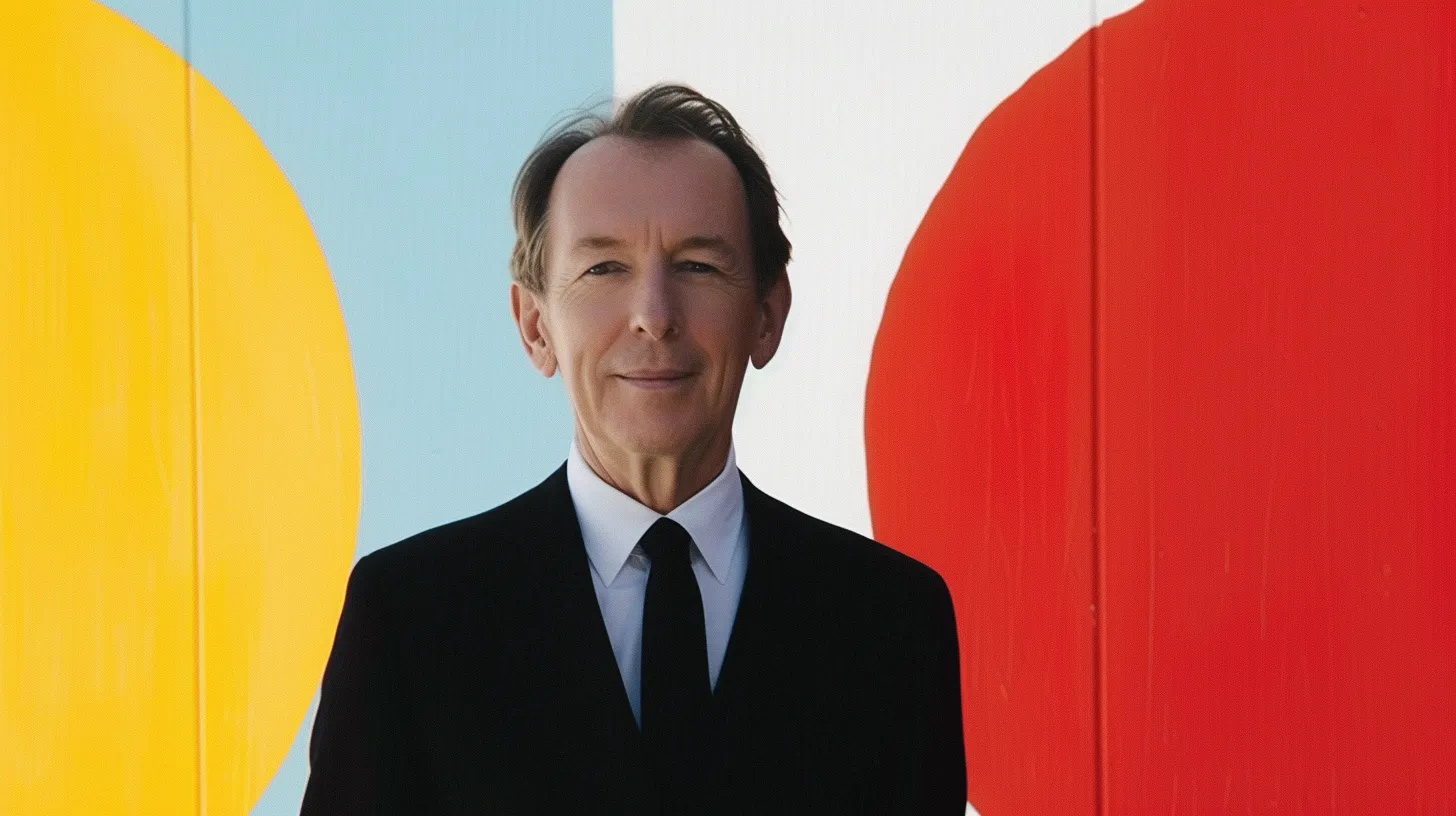
Taking over in 2009, James P. Gorman assumed the dual roles of Chairman and CEO, leading Morgan Stanley for over a decade.
Gorman oversaw key acquisitions like Smith Barney, bought from Citigroup, and the discount brokerage E*Trade, which pushed Morgan Stanley into retail territory long dominated by Charles Schwab, while guiding strong growth in wealth and asset management, though facing criticism at times over strategy and compensation.
After 14 years providing extensive leadership, Gorman will step back from the CEO role in 2023, leaving behind a strategically transformed Morgan Stanley.
TED PICK
Assuming the chief executive role in 2024, Ted Pick took charge of Morgan Stanley leadership as the firm entered a new era.
As CEO from 2024 onward, Pick guided strategy and operations, drawing on decades of financial executive experience.
With the CEO turnover, Pick faced the challenge of succeeding the extensive tenure of former Chairman and CEO James P. Gorman.