7 min read
We’ve put together a list of history’s most famous detectives and private investigators.
ALLAN PINKERTON (1819-1884)
Allan Pinkerton fled Scotland in 1842 due to his radical political activities and arrived in Chicago penniless. He accidentally discovered a counterfeiting ring on a deserted island while cutting wood. This launched his detective career. In 1874, Pinkerton attempted to capture Jesse James by bombing the James family farmhouse, killing James’s 8-year-old half-brother and blowing off their mother’s arm.
EUGÈNE-FRANÇOIS VIDOCQ (1775-1857)
Eugène-François Vidocq was a career criminal, forger, and escape artist from France. He spent years in prison before switching sides to become France’s first director of criminal investigation. In 1812, he founded the Brigade de Sûreté, the world’s first criminal investigation bureau composed almost entirely of ex-convicts, reasoning that former criminals made the best crime-fighters.
KATE WARNE (C.1833-1868)
In 1856, 23-year-old widow Kate Warne became America’s first female detective. She is most famous for posing as Lincoln’s “invalid brother” while he disguised himself as her sick patient during the Baltimore assassination plot. She was also a spy in the Civil War, crossing enemy lines multiple times to gather intelligence.
FREDERICK ABBERLINE (1843-1929)
Chief Inspector Frederick George Abberline was the lead detective investigating the Jack the Ripper murders in London’s Whitechapel district in 1888. He investigated five victims attributed to Jack the Ripper, and each murder grew increasingly violent, with the killer slashing victims’ throats and mutilating their bodies in public places.
JOSEPH BELL (1837-1911)
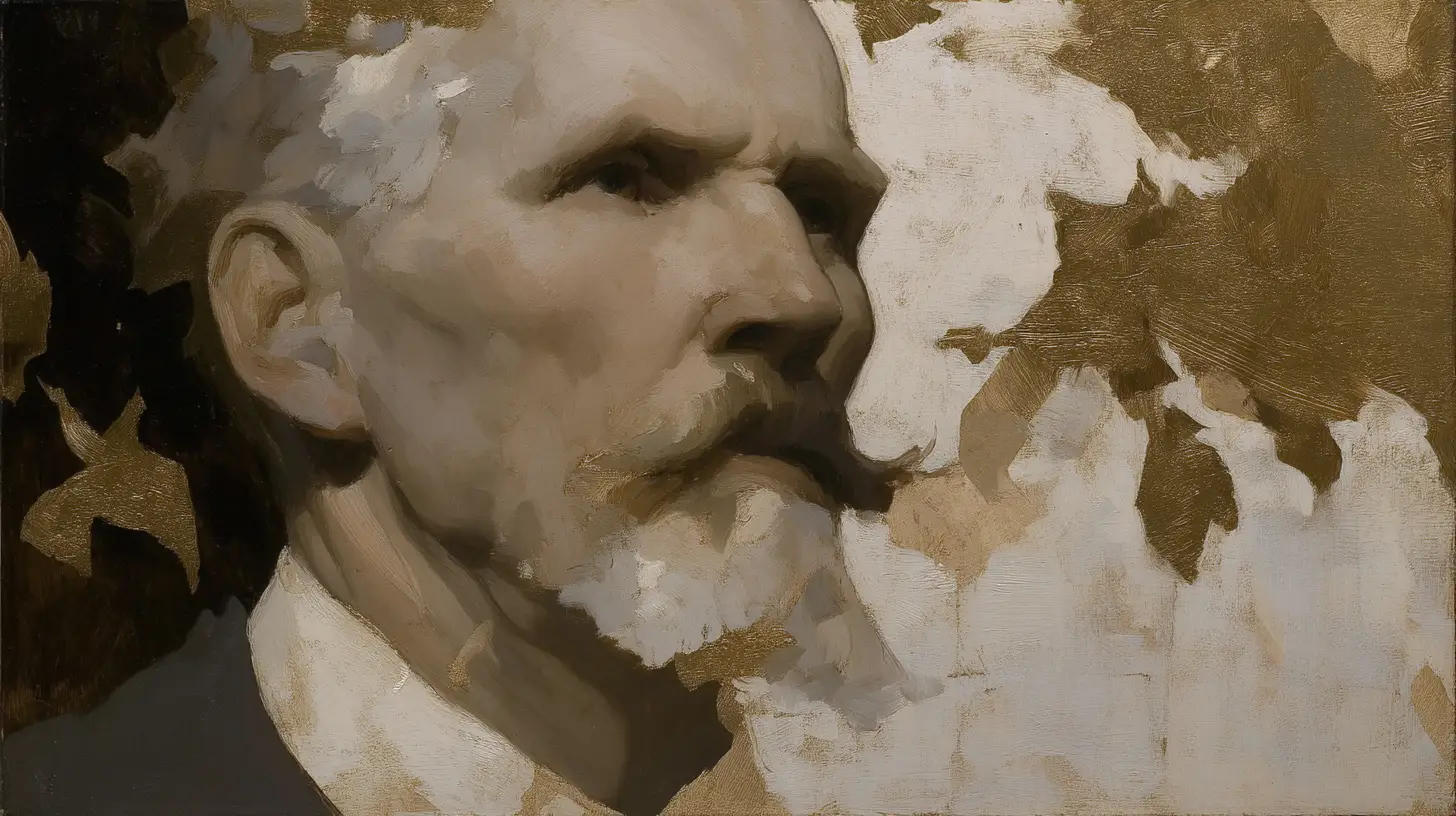
Dr. Joseph Bell was a Scottish surgeon and lecturer at Edinburgh Medical School whose extraordinary deductive abilities inspired his student Arthur Conan Doyle to create Sherlock Holmes. Bell could diagnose patients’ professions, backgrounds, and recent activities by observing their appearance and mannerisms.
MELVIN PURVIS (1903-1960)
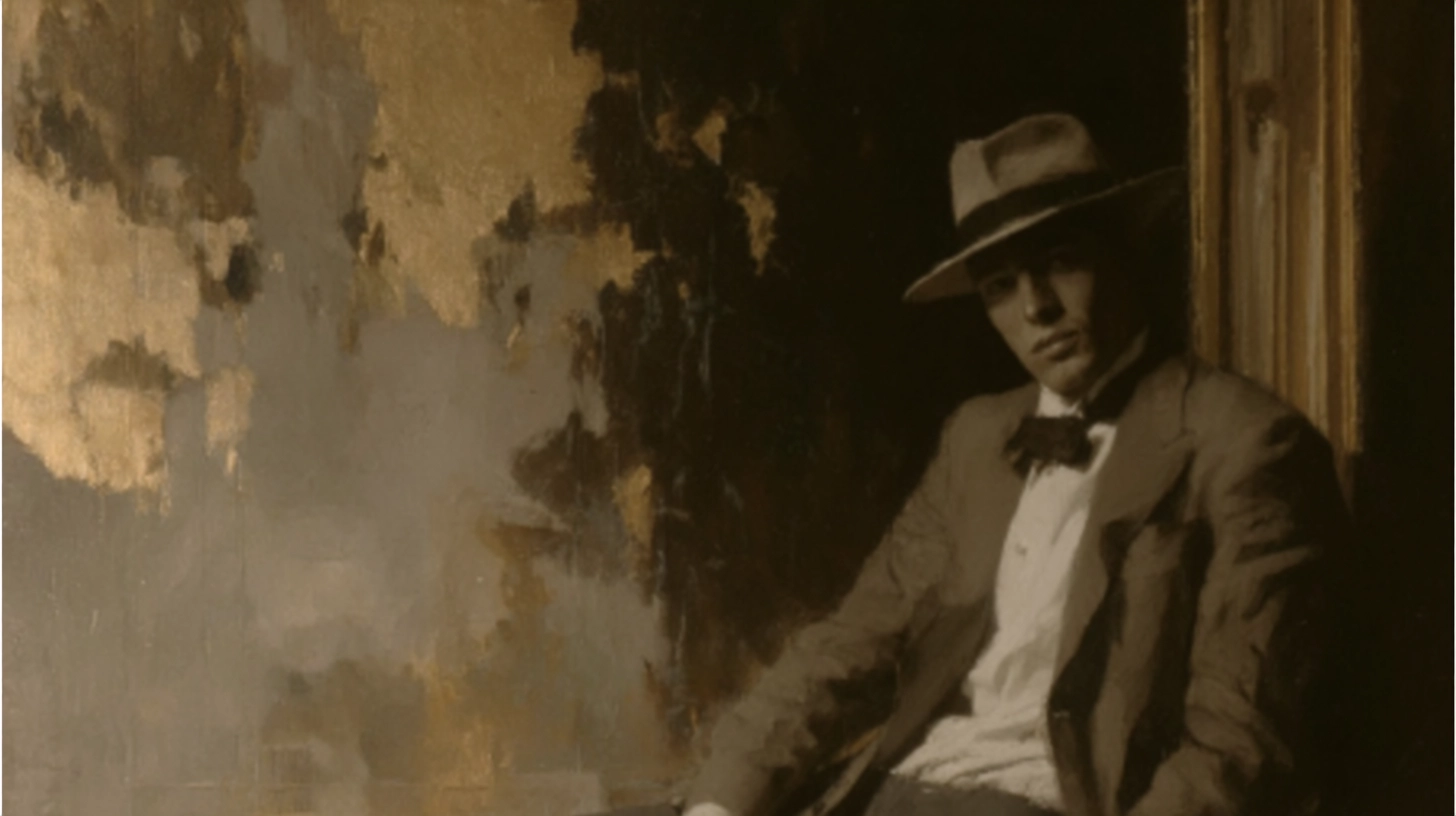
Melvin Purvis was the FBI special agent who led the Bureau’s campaign against Depression-era gangsters, becoming famous for killing John Dillinger and hunting notorious criminals like Baby Face Nelson and Pretty Boy Floyd.
FRANK HAMER (1884-1955)
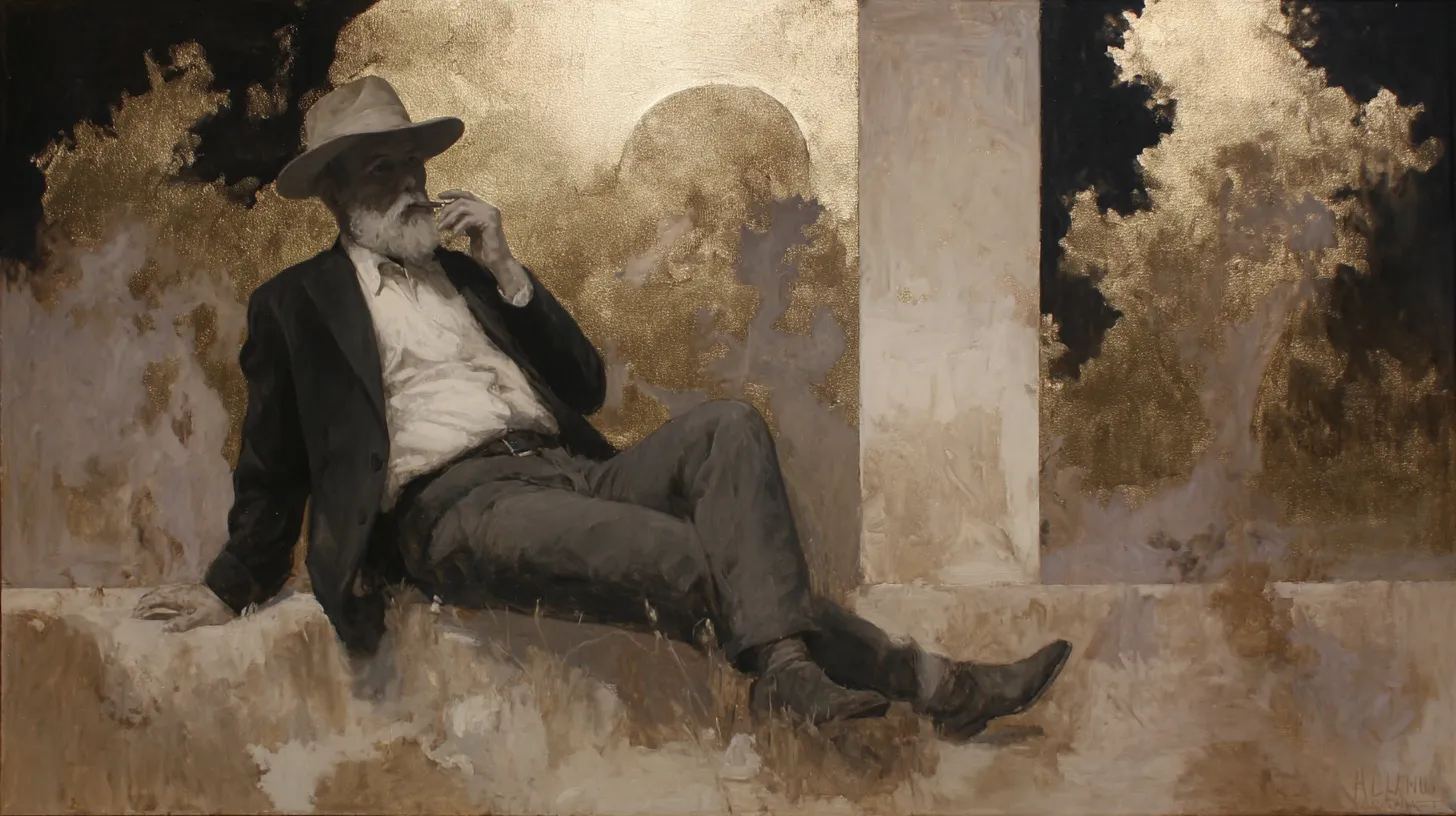
Frank Hamer was a legendary Texas Ranger who came out of retirement to hunt down the notorious bank-robbing duo Bonnie Parker and Clyde Barrow in a 102-day pursuit that ended in their deaths. On May 23, 1934, Hamer and his team fired 167 rounds into Bonnie and Clyde’s car in Louisiana, killing them instantly.
ELIOT NESS (1903-1957)
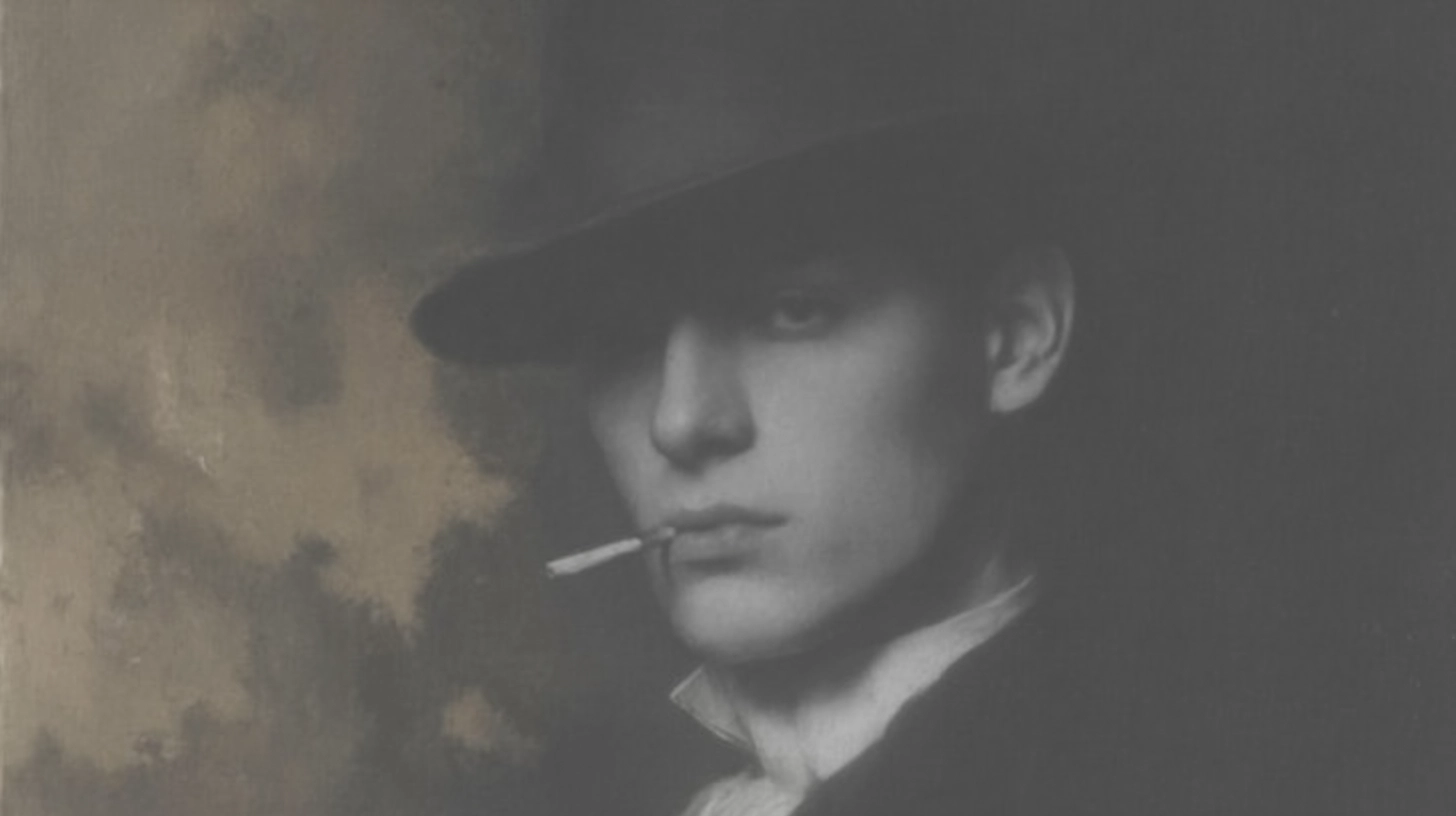
Eliot Ness led “The Untouchables,” a special Treasury Department unit created to bring down Al Capone’s criminal empire in Chicago. His team was called “untouchable” because they couldn’t be bribed.
CHARLIE SIRINGO (1855-1928)
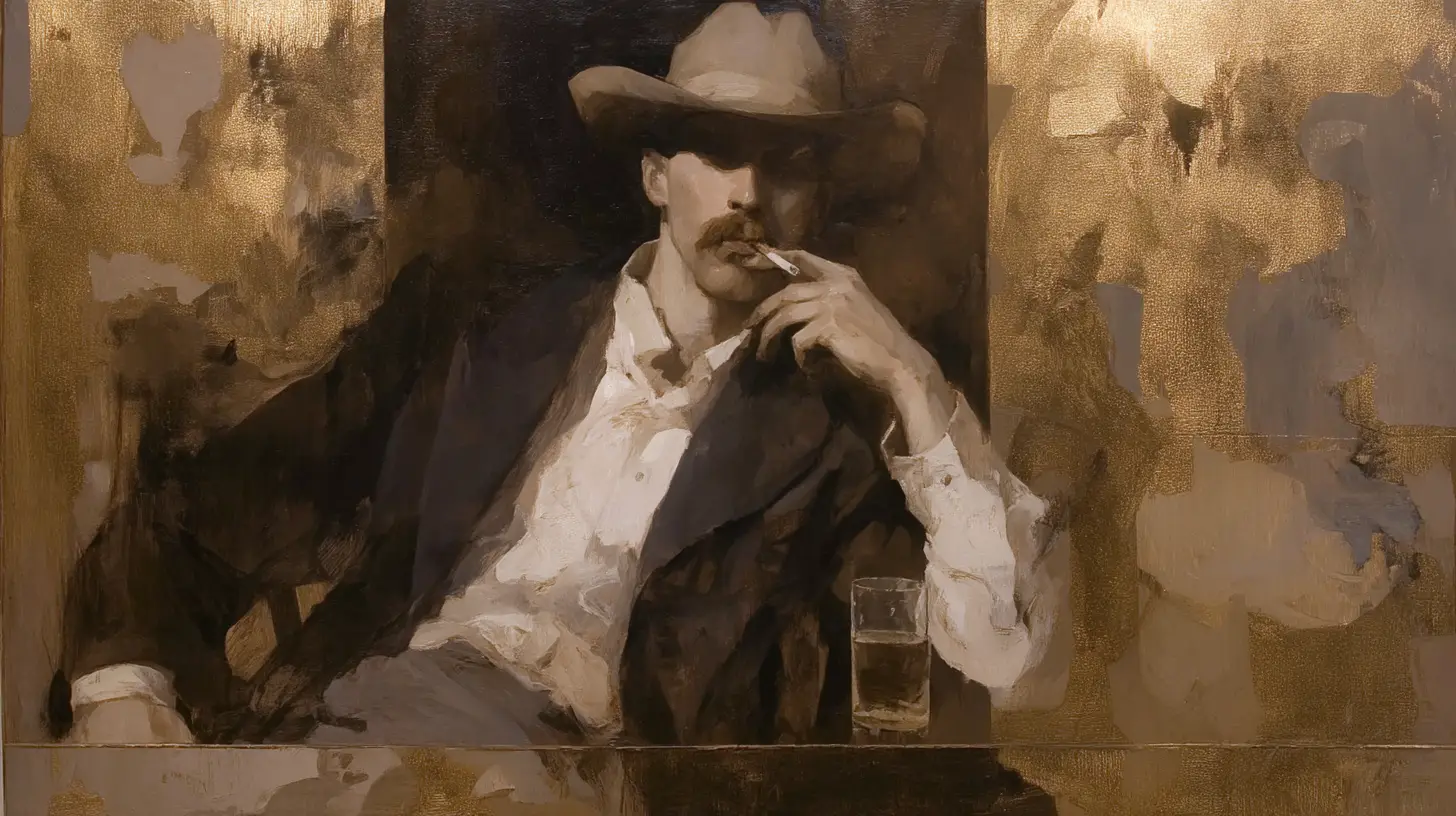
Charlie Siringo was a Pinkerton operative who spent 22 years infiltrating outlaw gangs in the American West. He spent years infiltrating Butch Cassidy’s gang, witnessing robberies and murders while maintaining his cover.
THOMAS BYRNES (1842-1910)
Thomas Byrnes was the New York Police Department’s first detective chief, and he was notorious for his brutal interrogation methods and corruption. Byrnes invented systematic torture during interrogations, including beatings, sleep deprivation, and psychological abuse. He accumulated over $350,000 in wealth through bribes even though he only had a $3,000 yearly salary.
WILLIAM BURNS (1861-1932)
William J. Burns founded the Burns Detective Agency and later became the first director of the FBI’s predecessor, the Bureau of Investigation. He was best known for solving spectacular cases through scientific detection methods.
SIR ROBERT PEEL (1788-1850)
Sir Robert Peel created the first modern police force—the Metropolitan Police of London in 1829. His “Peelers” or “Bobbies” established the foundation for all modern law enforcement, with public executions that drew crowds of 30,000+ people in a carnival atmosphere of violence.
JAY J. ARMES (1932-2020)
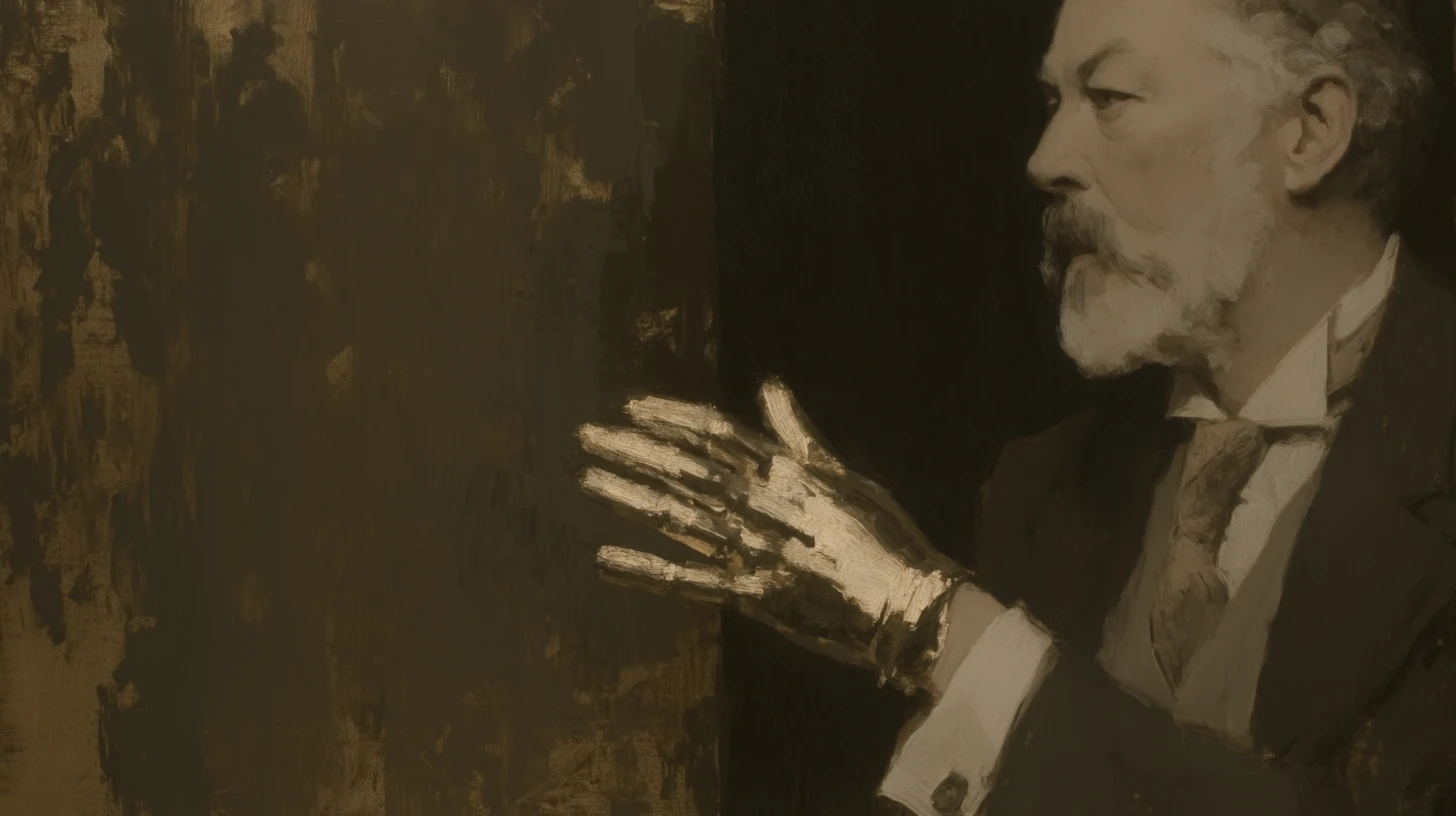
Jay J. Armes lost both hands in a childhood accident. He later became one of America’s most famous private investigators, handling over 70,000 cases, including international kidnappings—where he traveled to dangerous countries to rescue kidnap victims, often operating outside the law.
HARRY MORSE (1835-1912)
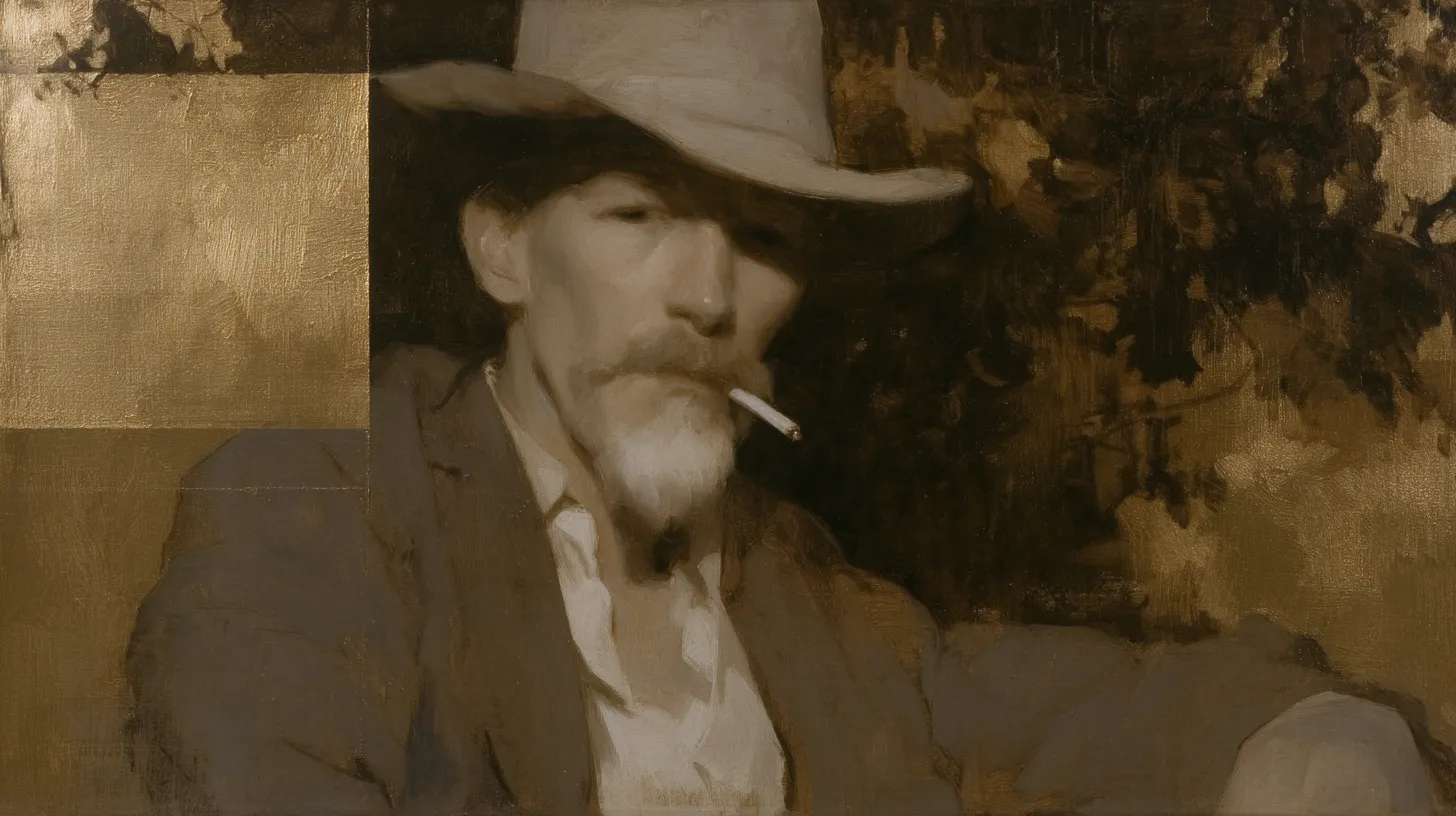
Harry Morse served as sheriff of Alameda County, California. Morse became a private detective specializing in tracking down Western outlaws and stagecoach robbers. He most famously spent years tracking Black Bart Hunt, who left poems at crime scenes, finally capturing him through forensic handwriting analysis.
IZZY EINSTEIN (1880-1938)
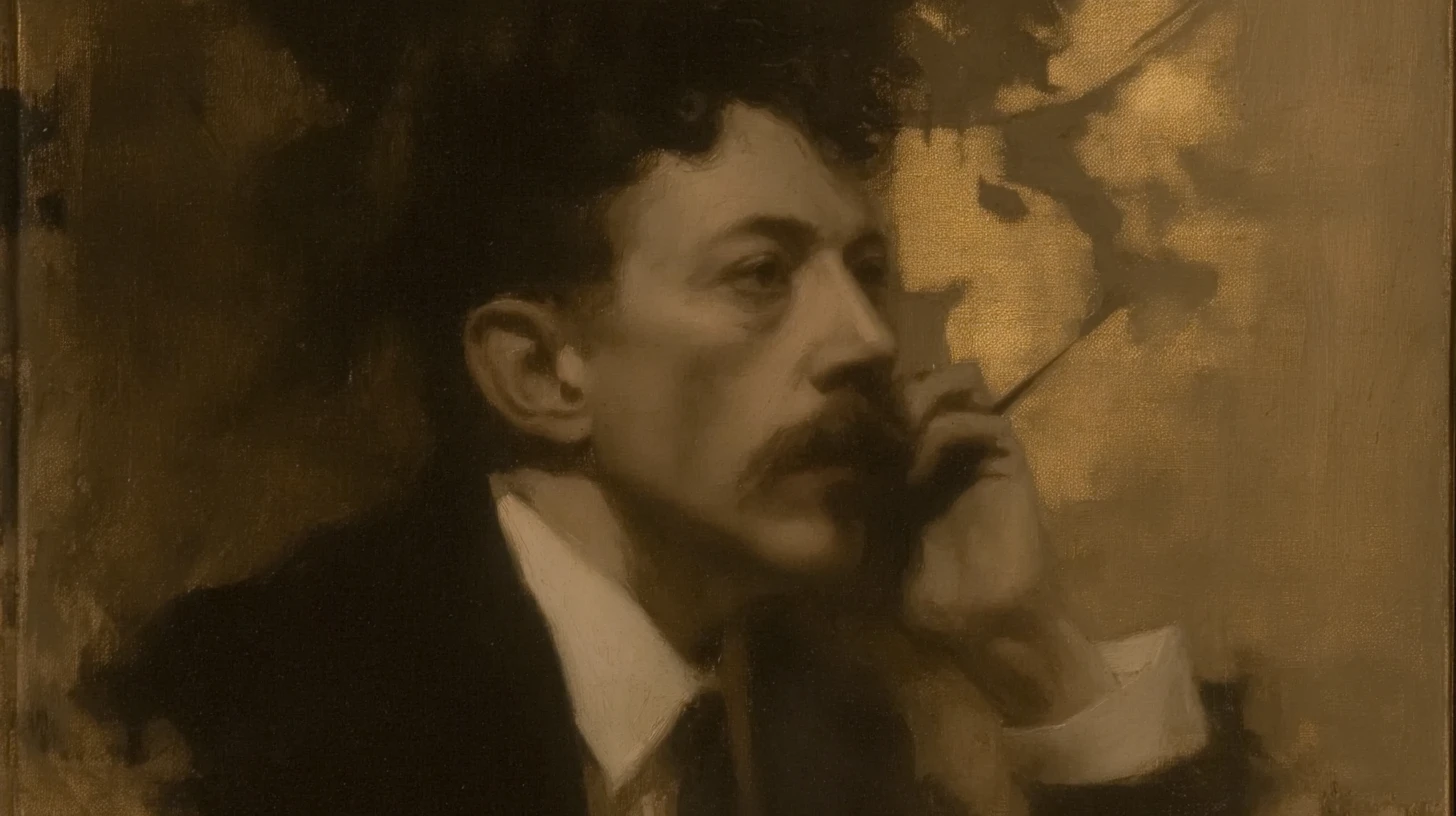
Isidor “Izzy” Einstein was a Prohibition agent who made over 4,900 arrests by using elaborate disguises to catch bootleggers and speakeasy operators. Izzy posed as everything from a rabbi to a gravedigger, fisherman to opera singer.
AUGUST VOLLMER (1876-1955)
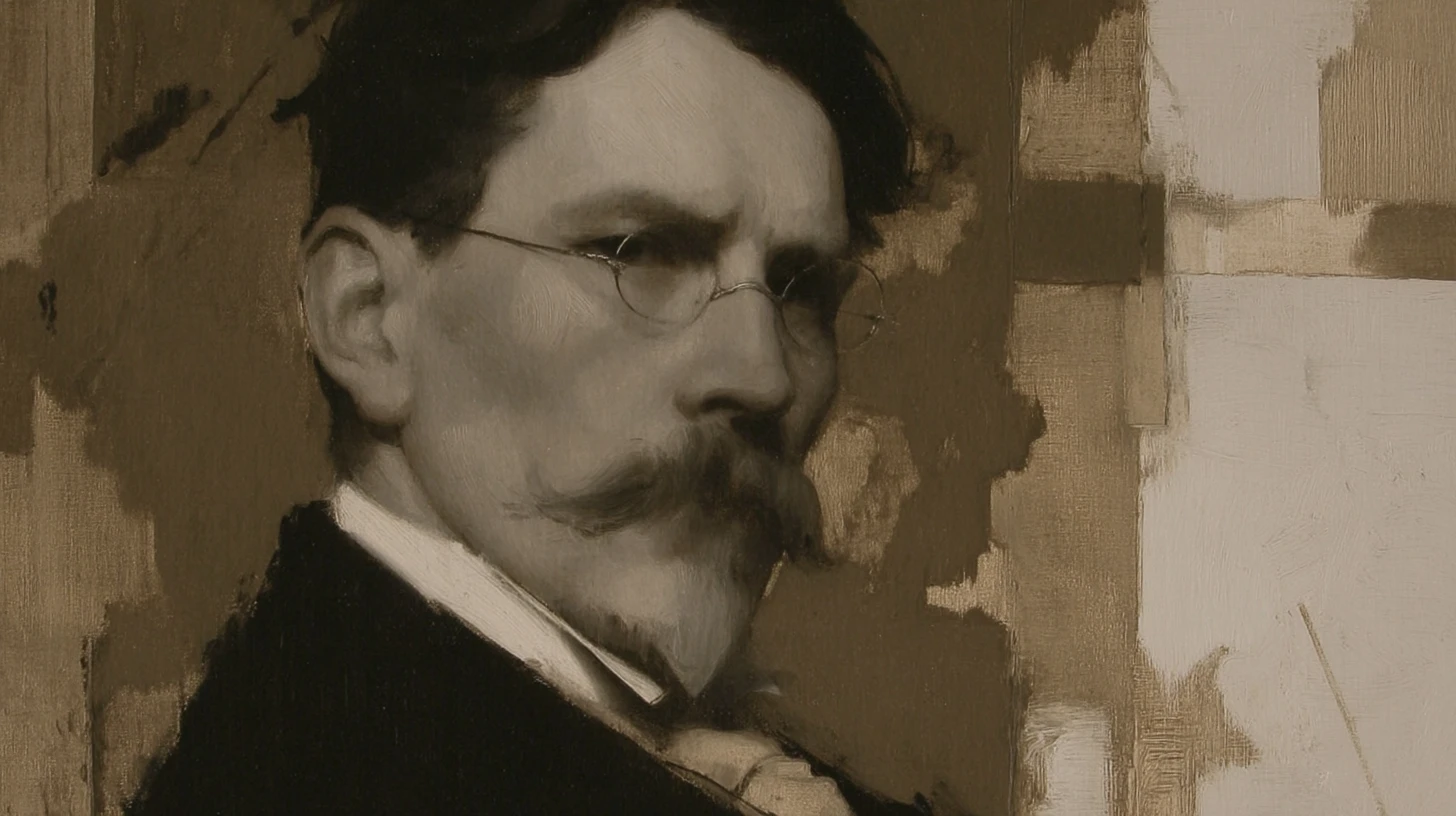
August Vollmer revolutionized American policing by introducing scientific methods, professional training, and modern technology to law enforcement. Vollmer created the first crime lab in the U.S., introduced fingerprinting, and developed early lie detector techniques.
JOE PETROSINO (1860-1909)
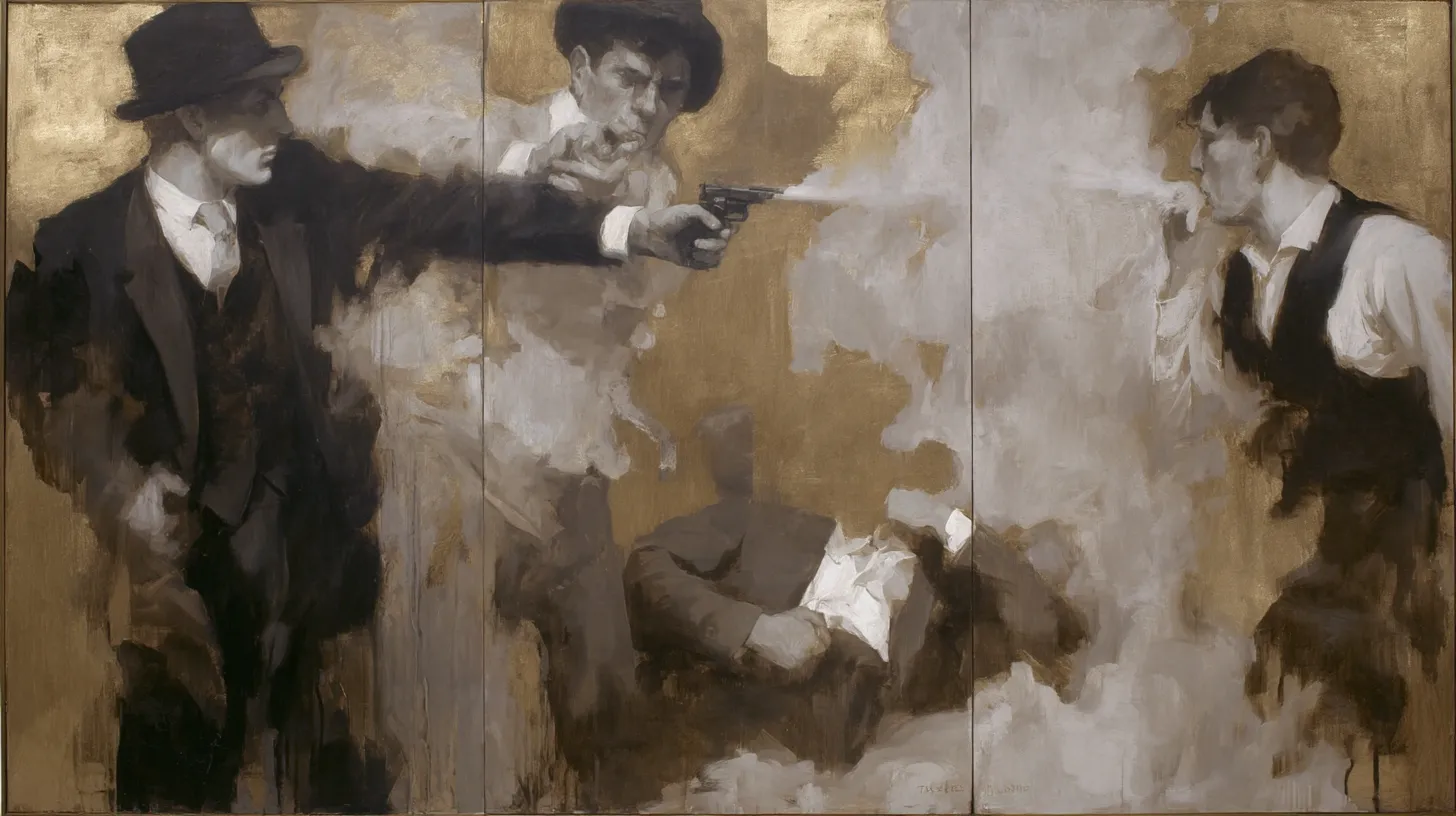
Lieutenant Joseph Petrosino was an Italian-American NYPD detective specializing in investigating the Black Hand (early Mafia) and other Italian-American criminal organizations. He was eventually shot dead in Palermo, Sicily, in 1909 while investigating Mafia connections.
WALTER DEW (1863-1947)
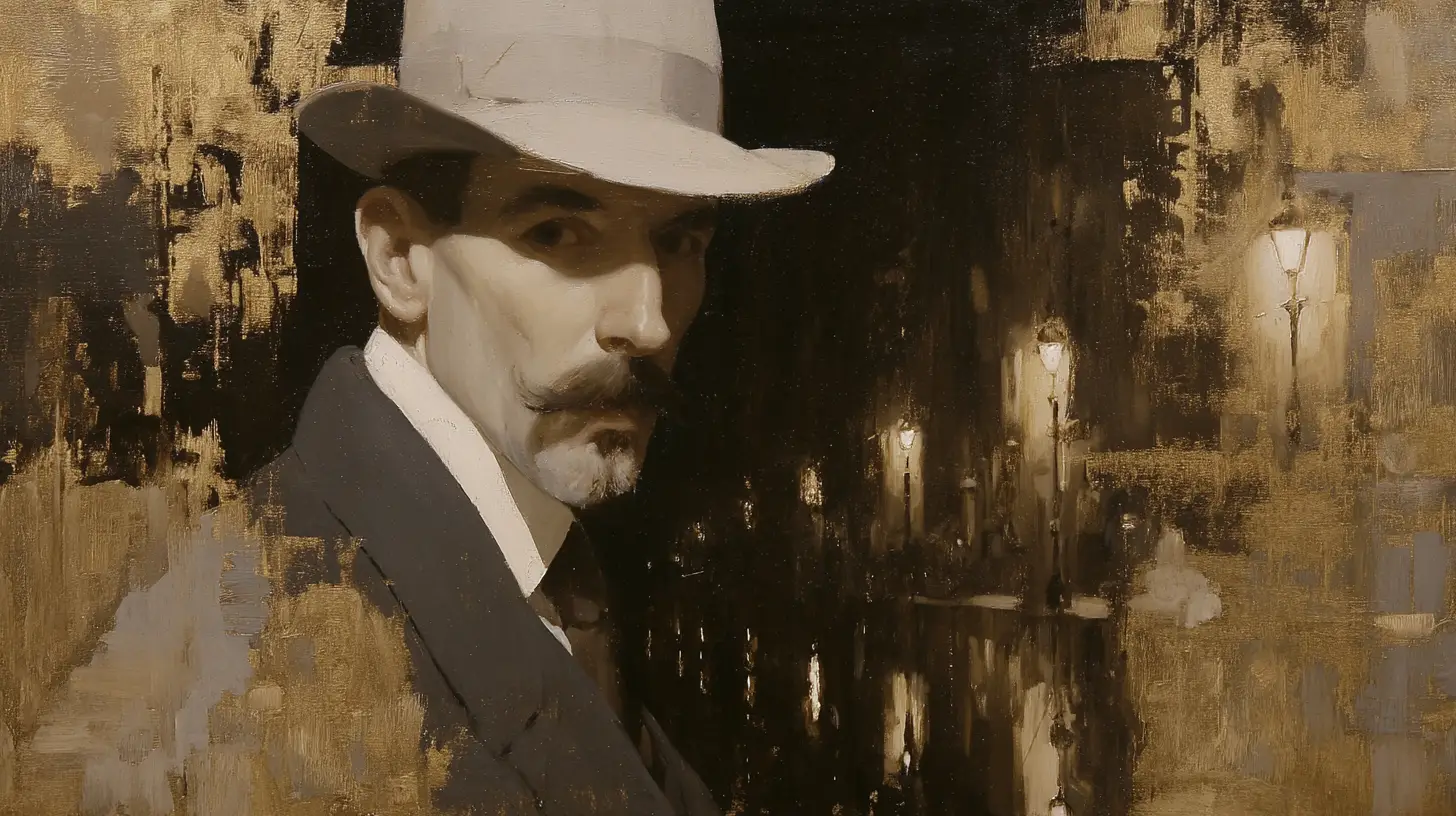
Inspector Walter Dew was a Scotland Yard detective who started as a cop during the Jack the Ripper murders. He’s most famous for pursuing the American doctor (Dr. Crippen) in 1910, who poisoned his wife and fled to Canada with his mistress.
HATTIE LAWTON (1837-1920)
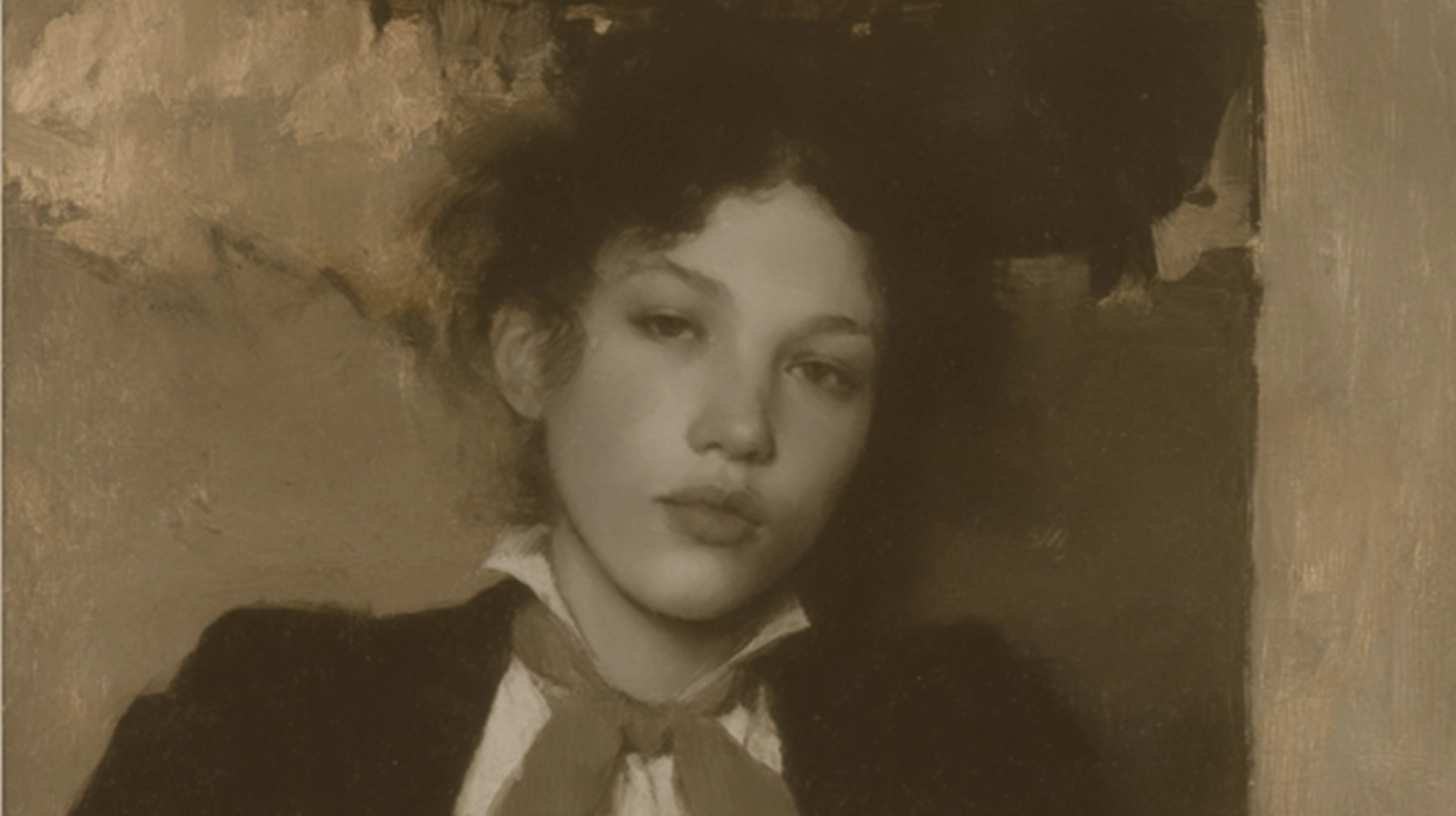
Hattie Lawton was a biracial Pinkerton detective who could pass as either Black or white, making her the perfect spy in the pre-Civil War and Civil War South. She used her mixed-race heritage to infiltrate both slave communities and white society.