15 min read
Wendy’s has run through a dozen leaders since Dave Thomas flipped the first square patty in 1969. As of May 21, 2026, the job belongs to Bob Wright—a former Wendy’s operations chief who came home after turning around Potbelly.
LIST OF WENDY’S CEOS
| Leader | Tenure | Best known for |
|---|---|---|
| Dave Thomas (founder) | 1969-1980 | Square patties, the drive-thru Pick-Up Window, the 1976 IPO |
| Robert L. Barney | 1980-1989 | “Where’s the Beef?” and the first billion-dollar year |
| James W. Near | 1989-1995 | Cleaning up the late-80s slump; the 99¢ Super Value Menu |
| Gordon Teter | 1995-1999 | Buying Tim Hortons; the Spicy Chicken Sandwich |
| Dave Thomas (senior chairman) | 1999-2000 | Anchoring the management council after Teter’s death |
| John “Jack” Schuessler | 2000-2006 | Surviving the chili-finger hoax; spinning off Tim Hortons |
| Kerrii Anderson | 2006-2008 | First female CEO; the Baconator; the sale to Triarc |
| Roland Smith | 2008-2011 | Running parent Wendy’s/Arby’s Group through the recession |
| Emil Brolick | 2011-2016 | Image Activation remodels; premium repositioning |
| Todd Penegor | 2016-2024 | Building the digital and mobile business |
| Kirk Tanner | 2024-2025 | The “surge pricing” firestorm; leaving for Hershey |
| Ken Cook (interim) | 2025-2026 | The Project Fresh turnaround plan |
| Bob Wright | 2026-present | The Potbelly turnaround; the homecoming hire |
DAVE THOMAS (FOUNDER)
1969-1980
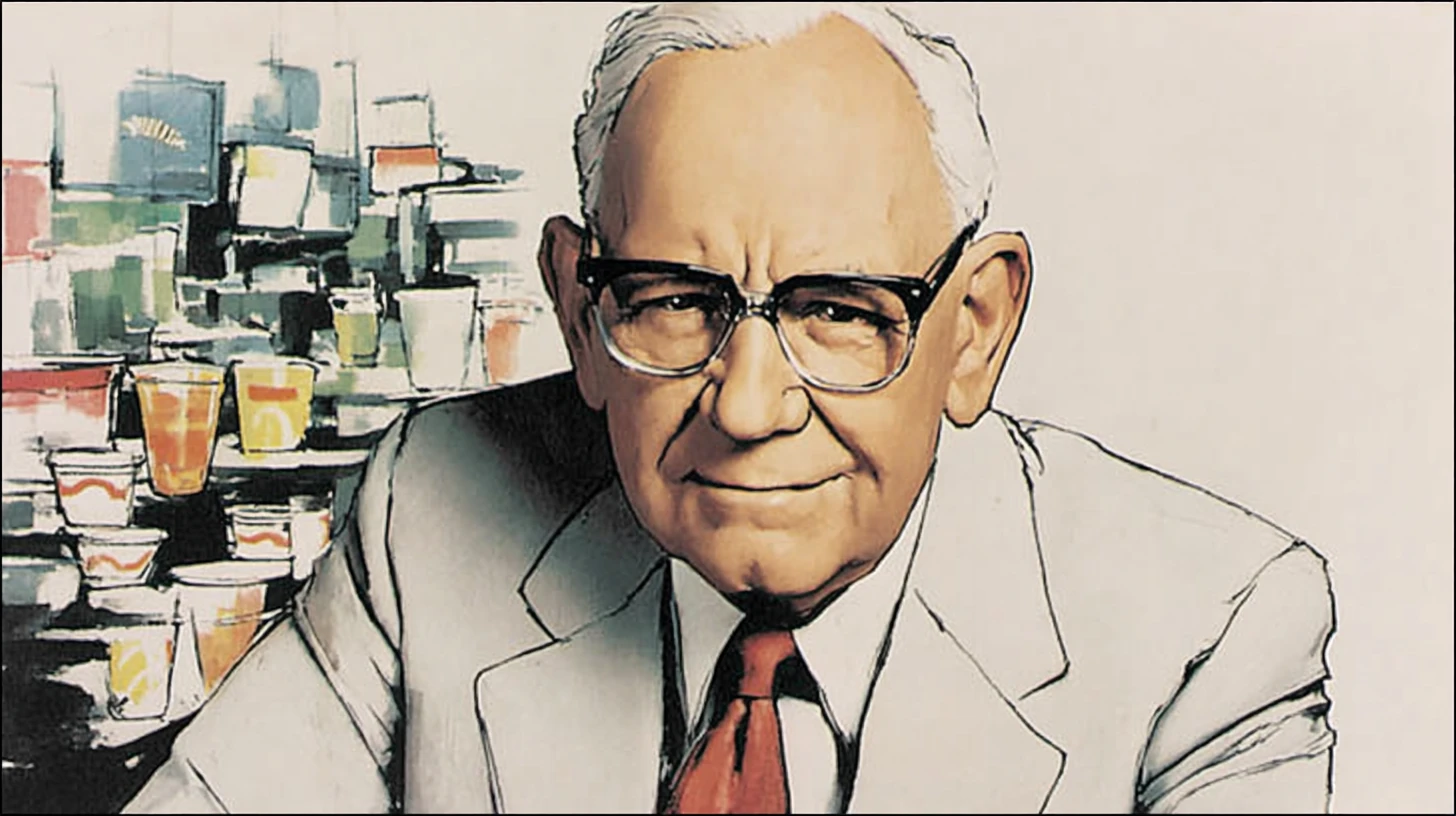
It all started in 1969 with a high school dropout with a dream, standing in front of his first restaurant in Columbus, Ohio. Wendy’s founder, Dave Thomas, didn’t just want to start another burger joint—he wanted to create a legacy. He came armed with a fortune from fried chicken: sent in the mid-1960s to rescue four failing Kentucky Fried Chicken carryouts in Columbus, Thomas turned them around and sold them back in 1968 for more than $1 million.
Thomas named his restaurant after his 8-year-old daughter, Melinda, whose nickname was “Wendy” because her siblings couldn’t pronounce her real name. Sweet, right? But Thomas would later regret this decision, saying it put too much pressure on his little girl. Her eight-year-old portrait still anchors the Wendy’s logo today.
Thomas revolutionized the fast food industry when he introduced square patties (because corners hanging off buns = more meat!). He pioneered the modern drive-thru—Wendy’s called it the “Pick-Up Window”—in November 1970. He took the chain public in September 1976, and the 500th Wendy’s opened that December.
Thomas gave up the fast food CEO title in 1980 and the chairmanship two years after that, which is why most accounts date his exit to 1982. His story was far from over.
ROBERT L. BARNEY
1980-1989
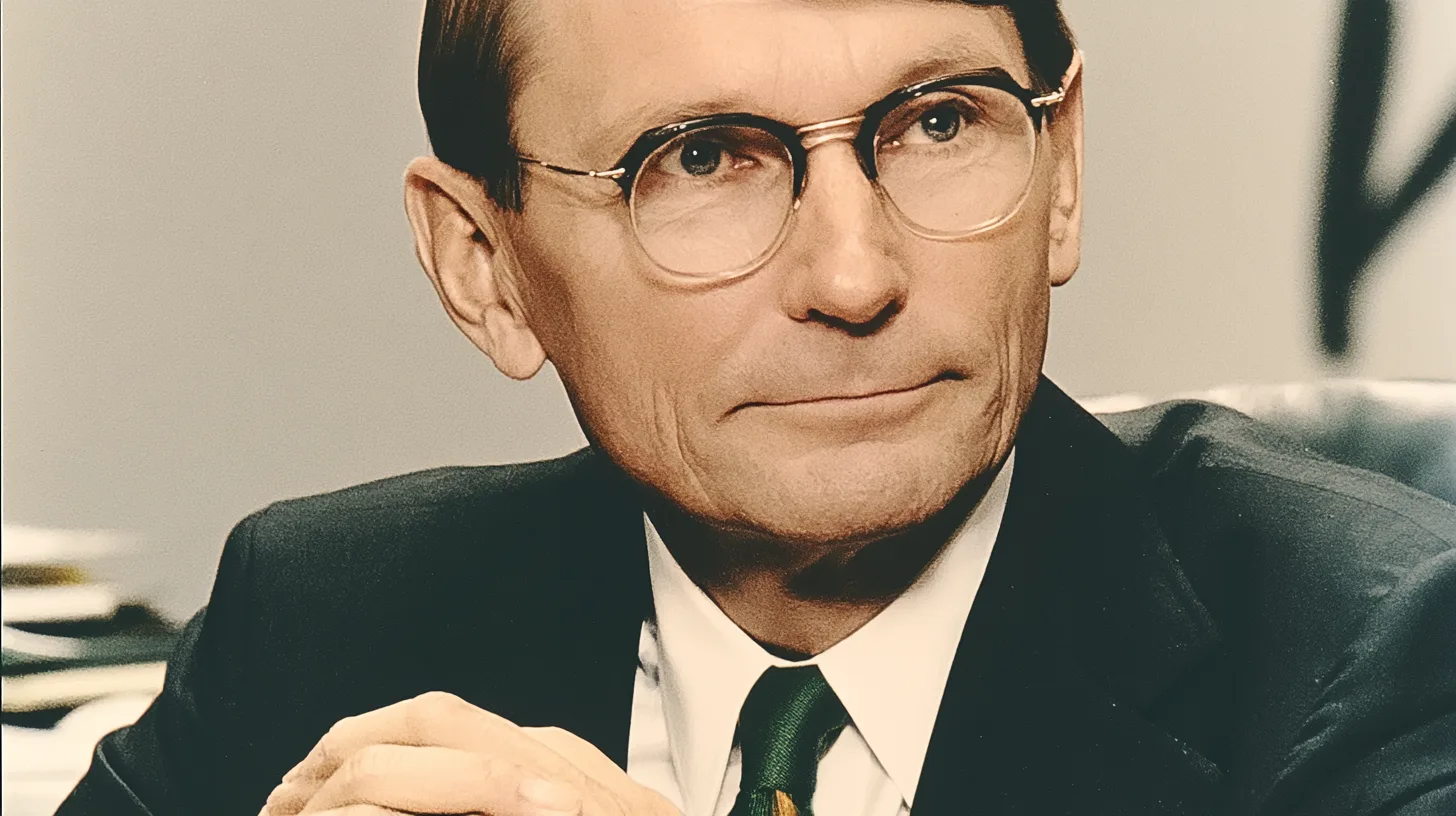
Robert L. Barney was Wendy’s chairman and chief executive officer from 1980 to 1989—the nine years between Dave Thomas stepping back and James Near taking over. Barney is the man who actually ran the company through “Where’s the Beef?”, the first billion-dollar year, and the overexpansion that undid both.
Thomas hired Barney to run his Kentucky Fried Chicken stores in Columbus, brought him into the first Wendy’s in 1969, and made him president in 1971. By May 1981, UPI was reporting that Thomas had relinquished the chief executive’s post to Barney. The chairman’s title followed in 1982.
| Year | Revenue | Net income |
|---|---|---|
| 1982 | $607.0 million | $44.1 million |
| 1983 | $720.4 million | $55.2 million |
| 1984 | $944.8 million | $68.7 million |
| 1985 | $1.13 billion | $76.2 million |
Then Barney kept building. Wendy’s opened 469 restaurants in 1985—one every 19 hours—and ended the year with 3,442 stores in 19 countries, two years ahead of its own growth schedule. It also ended the year in trouble. “The year was one of the most competitive in our history,” Barney said when he announced the record 1985 numbers that February. “I still believe Wendy’s can be as big as any chain in the United States.”
He never got to prove it. The chain had outbuilt its own customers, the board reorganized around Near in 1989, and Barney retired later that year after two decades at Wendy’s. He died on May 31, 2007, at 70.
JAMES W. NEAR
1989-1995
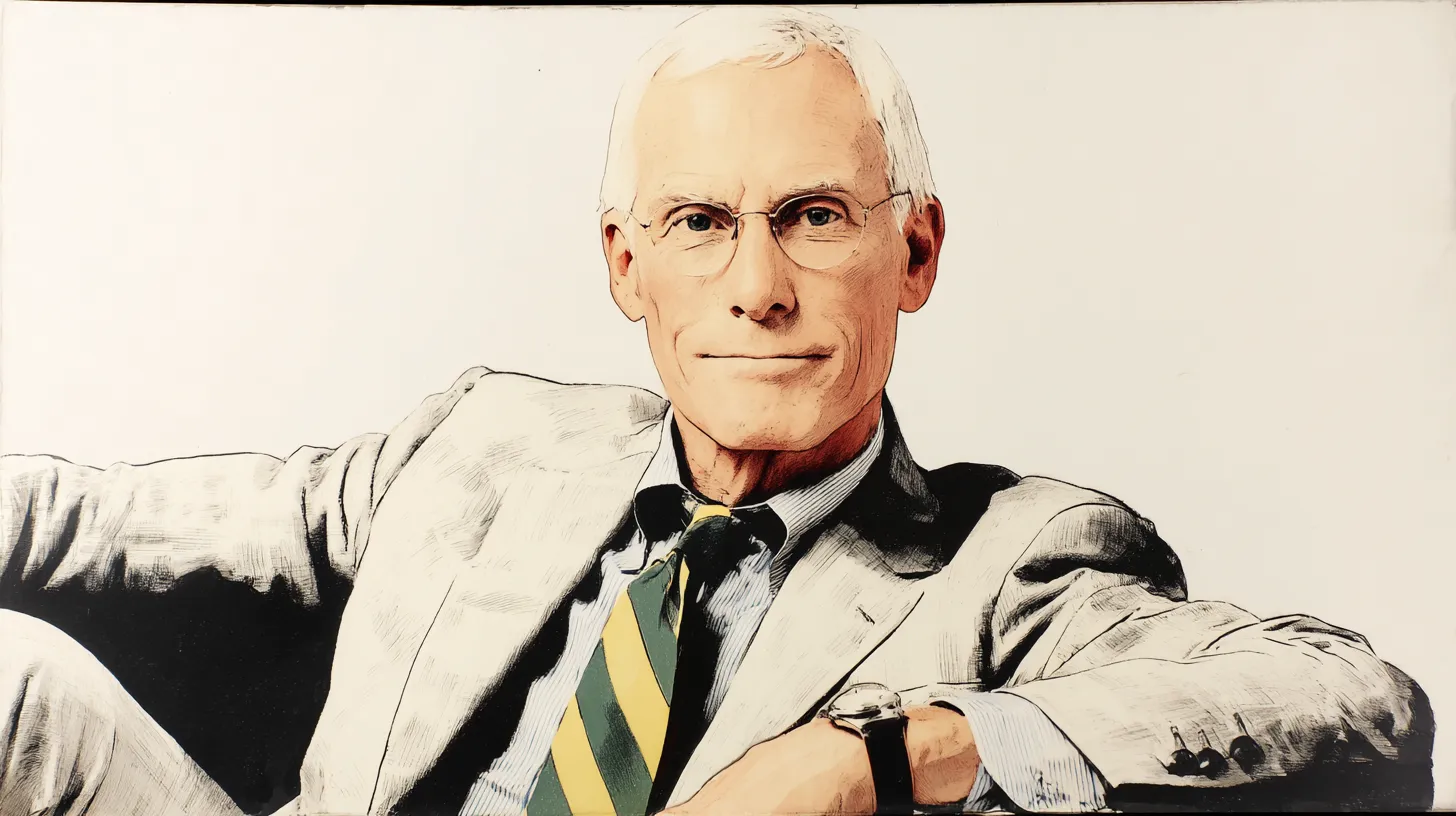
Near didn’t build the hype. He was hired to clean up after it.
“Where’s the Beef?” was not his campaign. It was made by the agency Dancer Fitzgerald Sample and first aired on January 10, 1984—two years before Near joined Wendy’s corporate payroll, under a company then run by chairman and CEO Robert L. Barney. Its star was Clara Peller, an 81-year-old who had spent 35 years as a manicurist in a Chicago beauty salon. The money followed the phrase: revenues jumped 31% in the campaign’s first year, from $720.4 million in 1983 to $944.8 million in 1984.
Then came the drama. Wendy’s terminated Peller’s contract in 1985 after she turned up in a Prego commercial declaring “I found it, I really found it”—the company’s position being that Clara could only find the beef in one place. But the slump that followed was mostly self-inflicted. A sit-down breakfast of made-to-order omelets and French toast, launched on July 1, 1985, was far too slow for a drive-thru line and was pulled from most restaurants within nine months. By 1986 one in five Wendy’s franchises was close to bankruptcy, and the chain posted a $4.9 million loss that year.
That was the mess Dave Thomas hired Near to fix. A former franchisee who had built 39 Wendy’s in West Virginia and Florida before selling them back to the company, Near arrived as president and COO in 1986, took the CEO title in 1989, and became chairman in 1991. His own signature move was the Super Value Menu in October 1989—nine items at 99¢—which gave Wendy’s a discount weapon that didn’t require coupons. The salad bar, the first at a national chain, had arrived back in 1979 over Dave Thomas’s objections, long before Near ran anything in Dublin, Ohio.
Near never made it to retirement. He handed the CEO job to Gordon Teter in January 1995 and died of a heart attack on July 22, 1996, at 58, while attending the Summer Olympics in Atlanta.
GORDON TETER
1995-1999
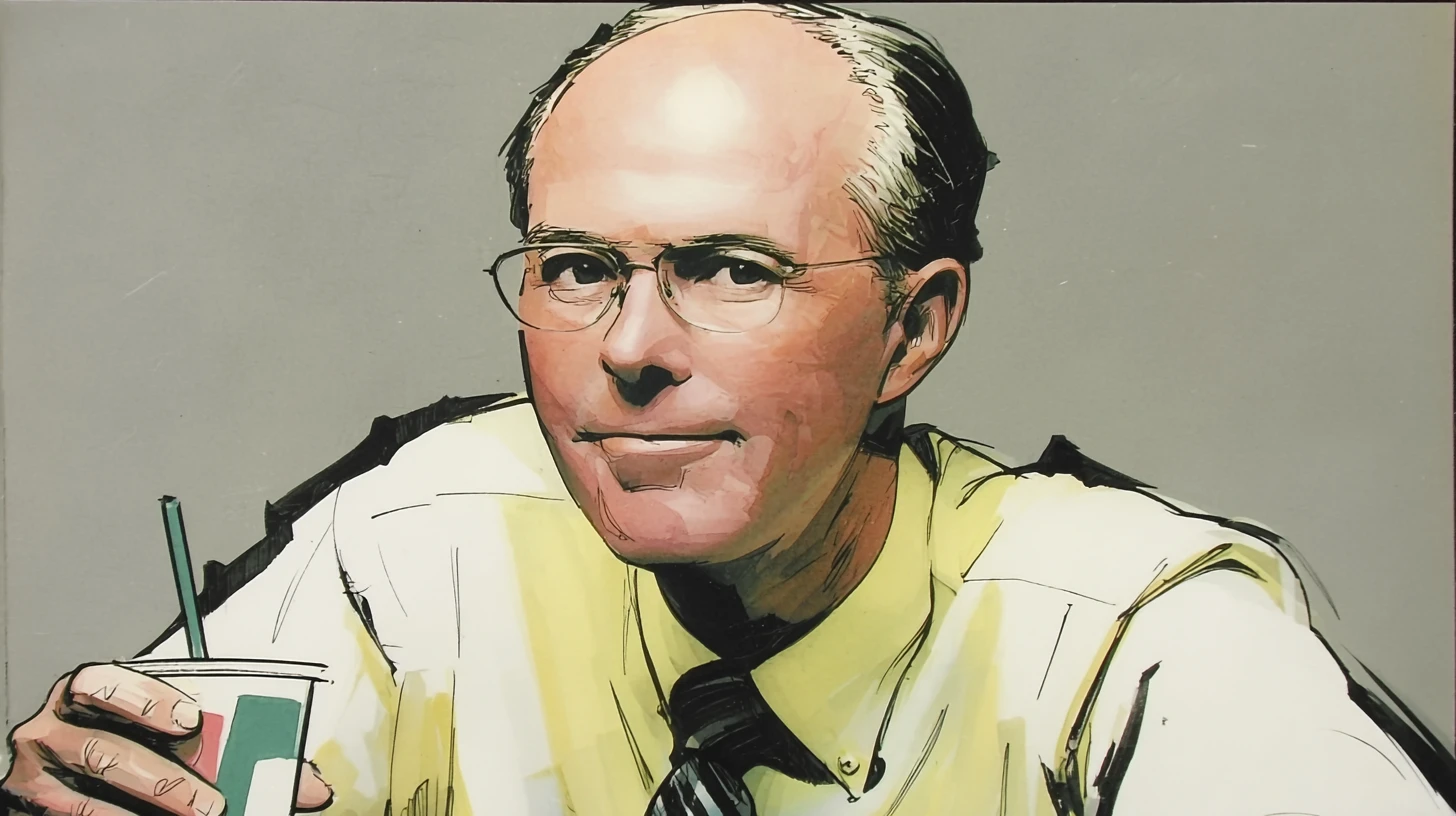
Teter’s claim to fame? He saw that the future of fast food wasn’t just about burgers.
In 1995, Teter orchestrated Wendy’s acquisition of the Canadian coffee and donut giant Tim Hortons. The deal closed in December 1995, and the doughnut chain quickly became the fastest-growing part of the company.
Teter also put the Spicy Chicken Sandwich on the menu in 1995—it went permanent the next year and never left—and chased the health crowd with Fresh Stuffed Pitas in 1997.
On December 18, 1999, Teter died suddenly at age 56—the second Wendy’s leader to die in office in less than four years, after chairman James Near in 1996.
DAVE THOMAS RETURNS
1999-2000
Sometimes the founder needs to return when they’re needed most.
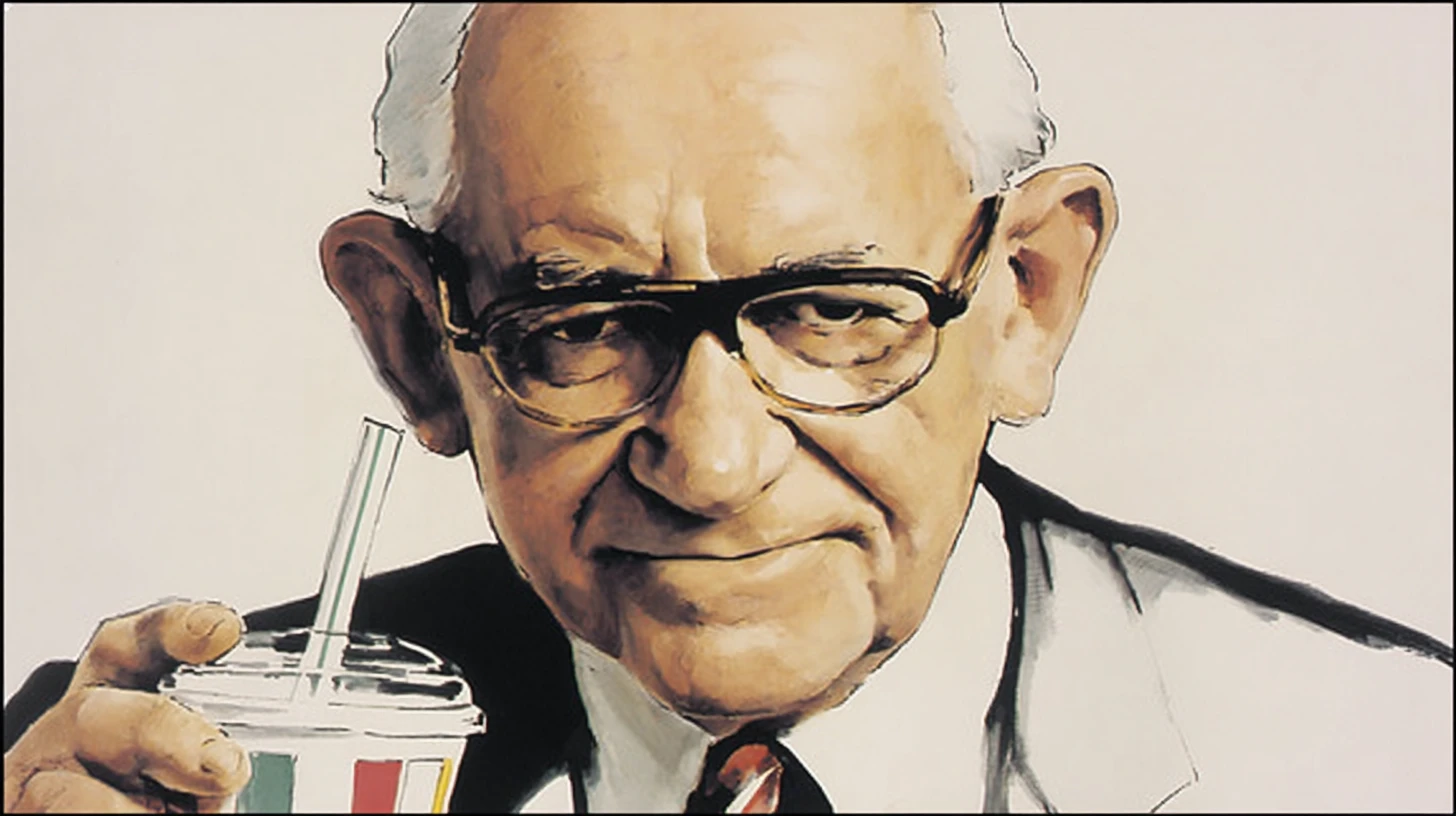
When Teter died, 67-year-old Dave Thomas stepped back in as senior chairman, anchoring the five-person management council that ran Wendy’s until Jack Schuessler took the CEO job in March 2000.
By then Thomas was the most familiar face in fast food. He filmed 652 commercials between 1989 and 1999—still the Guinness World Record for a company founder—and kept pitching almost to the end.
Thomas died on January 8, 2002, of carcinoid cancer that had spread to his liver. He was 69.
JOHN “JACK” SCHUESSLER
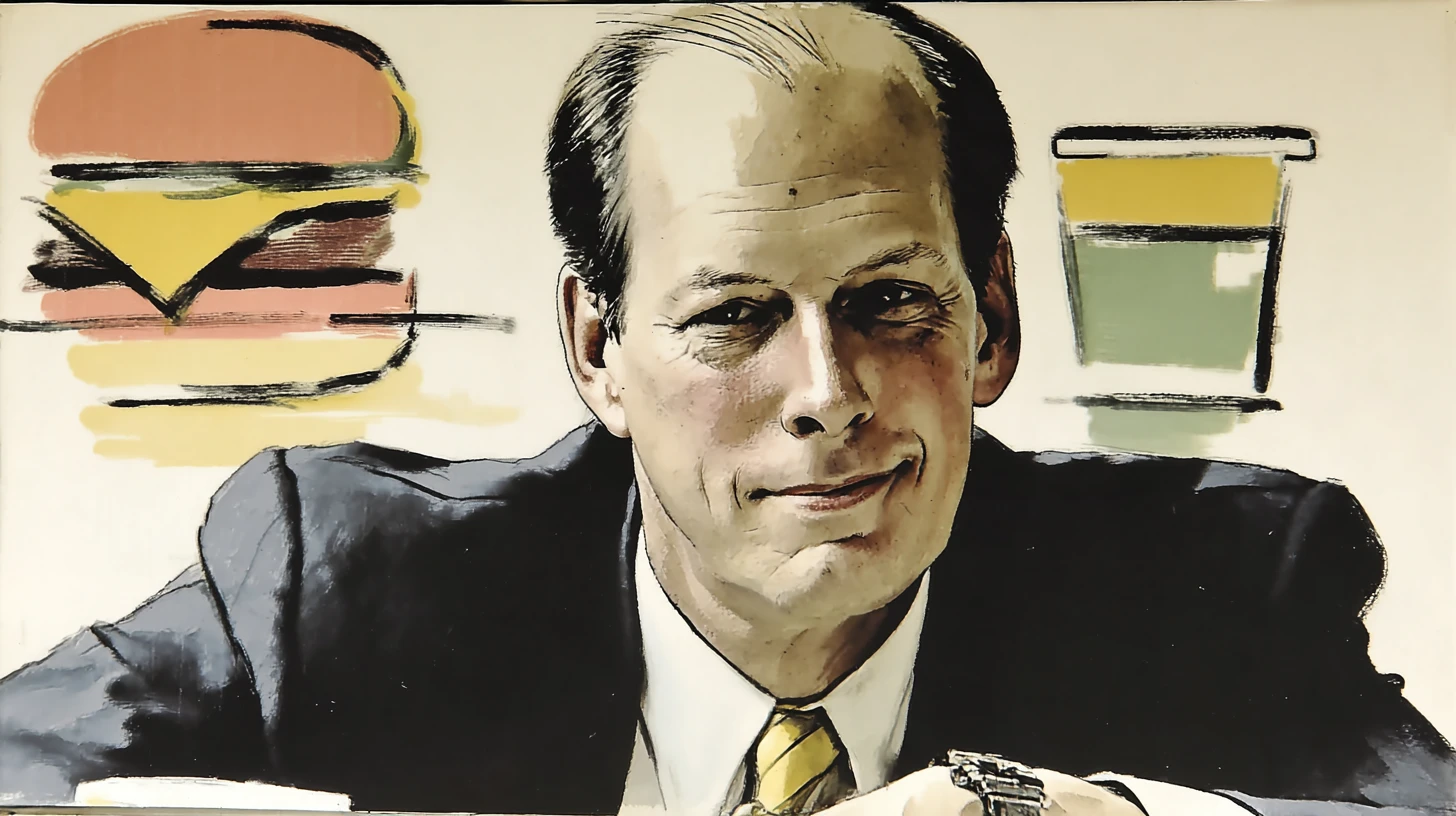
2000-2006
Schuessler took over a company in mourning in March 2000—a lifer who had come up through Wendy’s operations since the 1970s. Five years in, he got fast food’s strangest scandal.
2005 brought the Chili Finger Fiasco: Anna Ayala claimed she found a severed human finger in her chili at a San Jose Wendy’s. The finger was real—it belonged to a coworker of her husband, who had lost it in a workplace accident—and the couple had planted it. Wendy’s put its lost sales at $2.5 million, and both went to prison.
His bigger legacy move: spinning off Tim Hortons—an IPO in March 2006, full separation that September—undoing the diversification era he had inherited.
Schuessler retired in April 2006, saying it was “the appropriate time to pass the leadership of the brand to the next generation of leaders.”
KERRII ANDERSON
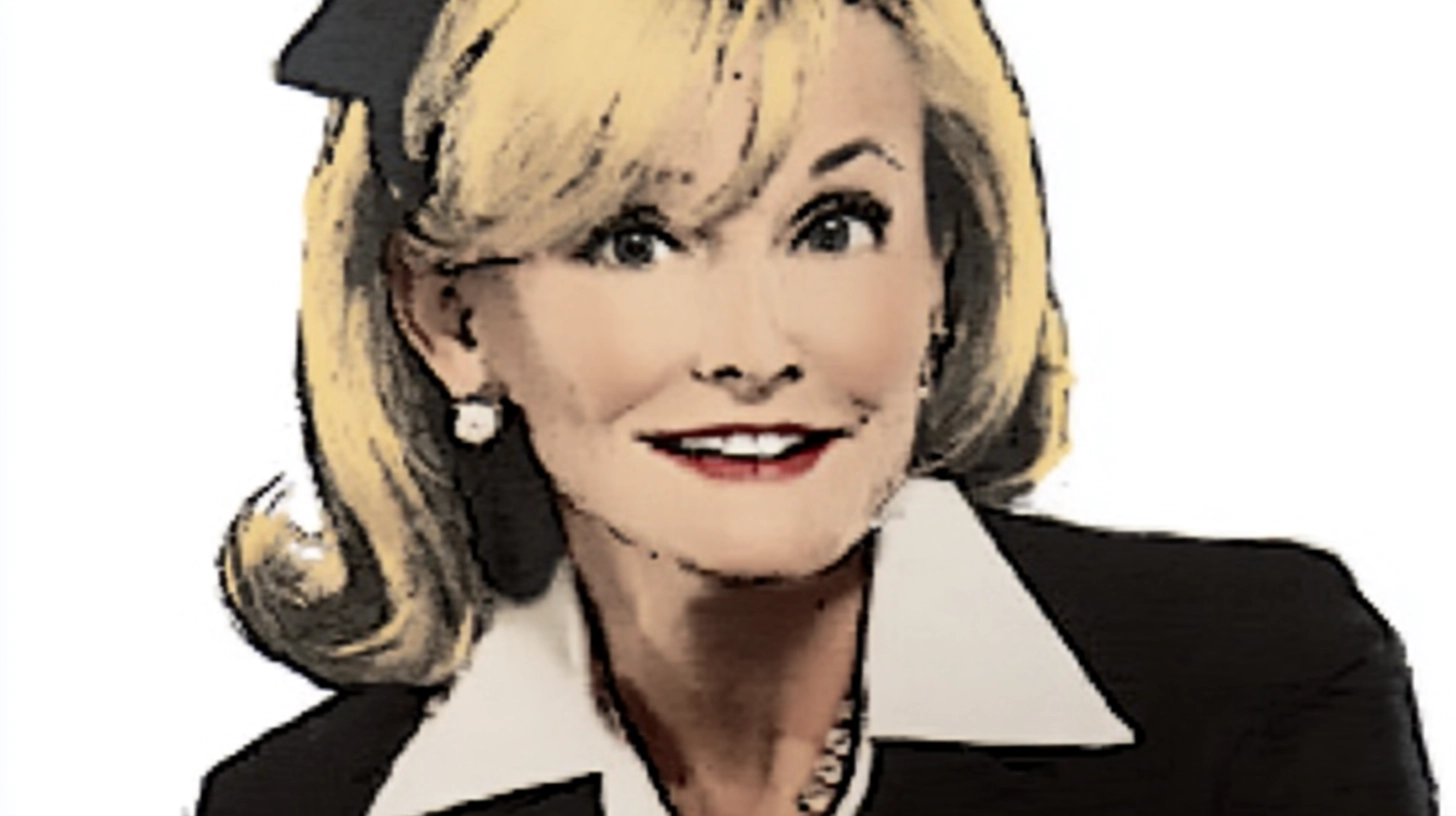
2006-2008
Anderson, the company’s CFO, stepped up as interim chief when Schuessler retired in April 2006—and made history that November when the board made her Wendy’s first female CEO.
She brought breakfast back in 2007, launched the Baconator that August, and then steered Wendy’s through its sale: Nelson Peltz’s Triarc bought the company for $2.34 billion in stock, forming Wendy’s/Arby’s Group.
When the deal closed on September 29, 2008, it ended her run—and Wendy’s 39 years as an independent company.
ROLAND SMITH
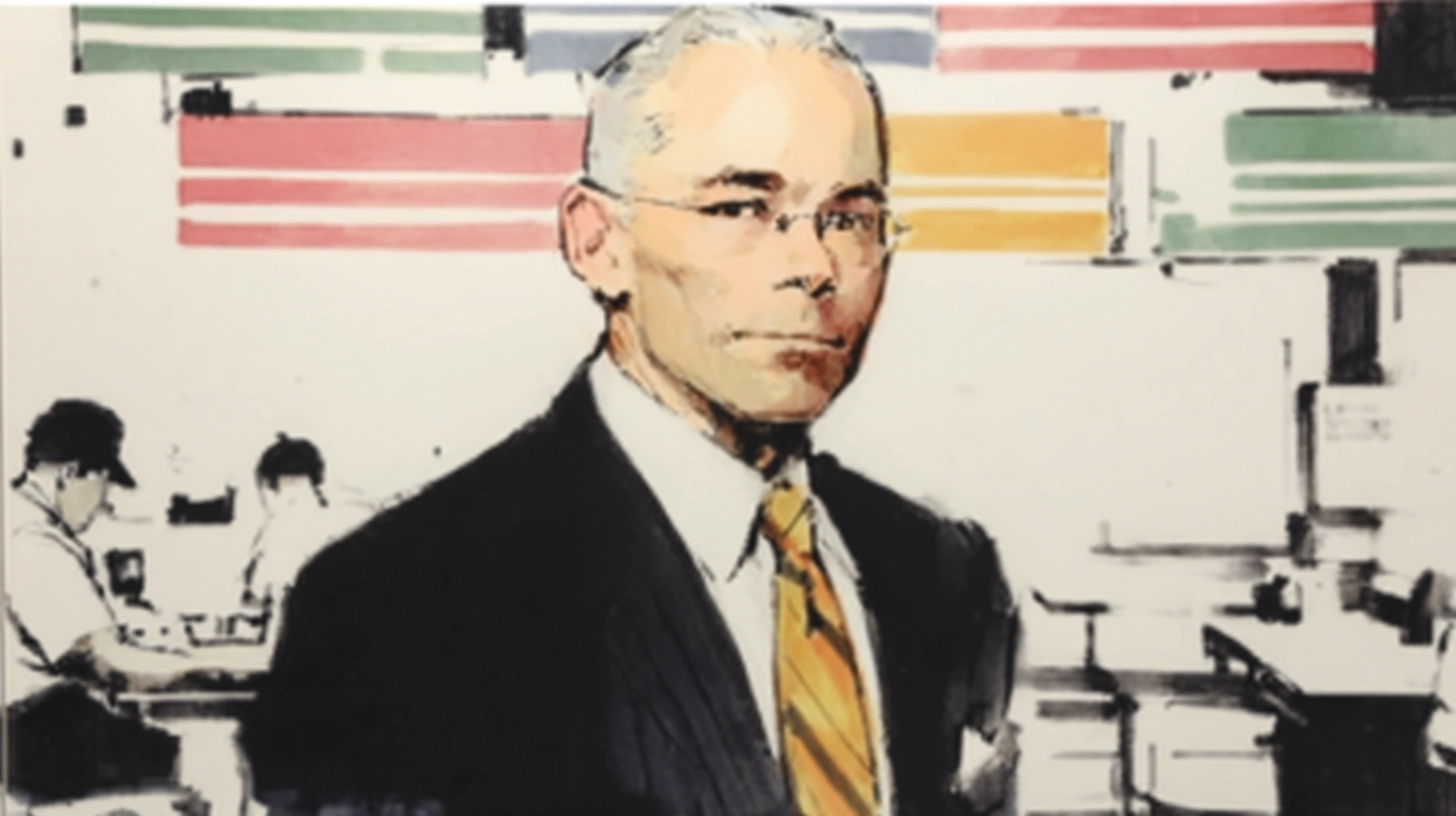
2008-2011
A West Point graduate with military precision, Smith took command during the Great Recession.
Strictly speaking, Smith ran Wendy’s/Arby’s Group, the parent company the Triarc merger created—he only took the Wendy’s-brand CEO title in July 2011, two months before he left. From the parent seat, he steered both chains through the recession.
To keep the ship afloat, he emphasized higher-quality offerings, doubled down on breakfast, and launched nostalgic marketing for older demographics.
When the group sold Arby’s in 2011 to refocus on the burger business, Smith’s assignment was over.
EMIL BROLICK
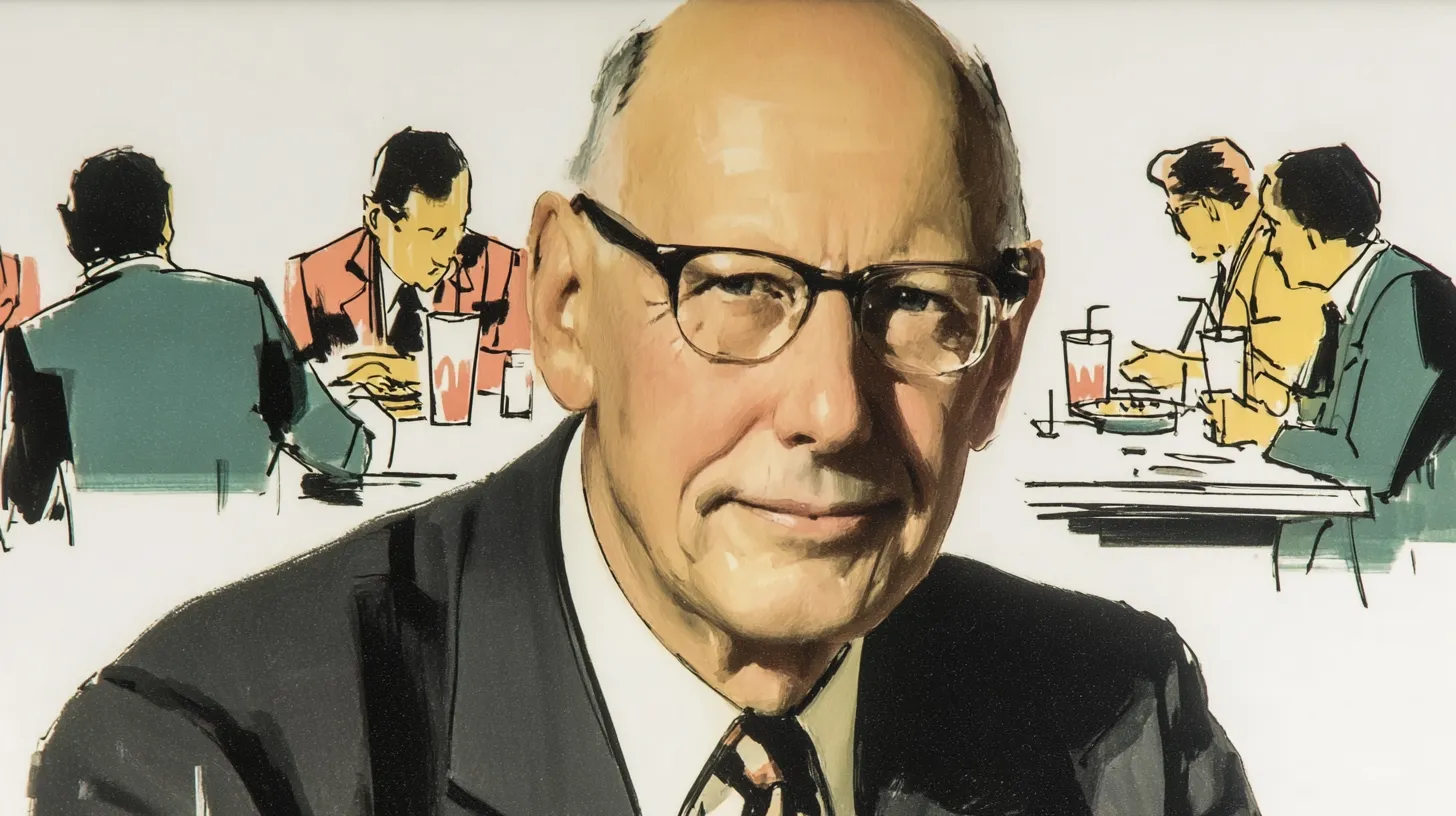
2011-2016
Brolick’s story is about second chances and redemption.
After 11 years at Yum! Brands (where he revitalized Taco Bell), Brolick returned to his Wendy’s roots. He’d worked under Dave Thomas himself and understood the brand’s DNA better than anyone.
Brolick launched the “Son of Baconator” in 2012. He kicked off Image Activation—a chain-wide restaurant redesign. And he repositioned Wendy’s as a premium fast food brand.
Let’s just say Brolick made Wendy’s cool again. His retirement in 2016 marked the end of a remarkable turnaround story.
TODD PENEGOR
2016-2024
Penegor arrived from Kellogg as CFO in 2013 and took the top job in May 2016 with one mission: bring Wendy’s into the digital age.
It worked. By 2023, digital sales had reached nearly $2 billion a year—14.5% of the business—and net income was up 15% to $204 million.
Penegor stepped down in February 2024 after nearly eight years, leaving a more modern, more profitable Wendy’s—and by that August he was running Papa John’s.
KIRK TANNER
2024-2025
Some CEO stories are about long transformations. Others are about perfect timing.
Tanner brought 30+ years of PepsiCo experience, having led a $26 billion beverage business. But his Wendy’s chapter lasted just 18 months—February 2024 to July 2025—before Hershey came calling with an offer he couldn’t refuse.
His tenure is remembered for its first two weeks. On a February 2024 earnings call, Tanner told analysts Wendy’s would test “dynamic pricing” on digital menu boards. The press translated that as surge pricing—pay more at the lunch rush—and the backlash went national overnight. Wendy’s spent the next week insisting it had no plans to raise prices during the busiest hours.
KEN COOK
2025-2026 (interim)
Cook, a CFO who had joined from UPS just seven months earlier, ran Wendy’s as interim chief from July 2025 to May 2026—and did more than keep the seat warm.
His Project Fresh turnaround plan closed underperforming restaurants—up to 350 U.S. locations through 2026—and rebuilt the value menu. “We are taking decisive action to strengthen the Wendy’s system and improve performance,” Cook told investors in May 2026.
The SEC filings tell the ending. When Bob Wright was appointed, the company said Cook would “continue to serve as the Company’s Chief Financial Officer.” Five weeks later, the board hired Wright’s Potbelly CFO instead and terminated Cook without cause, effective July 31, 2026—paying him 24 months of salary instead of the standard 12 “in recognition of his service as Interim Chief Executive Officer.”
BOB WRIGHT
2026-Present
Wendy’s ended a ten-month CEO search on May 21, 2026, with a homecoming. Robert D. “Bob” Wright, 58, had spent five years as Wendy’s operations chief in the 2010s before leaving to run Potbelly—and the board brought him back as president and CEO.
His résumé is pure restaurant operations: Domino’s, Checkers, Charleys Philly Steaks, then Wendy’s COO roles from 2014 to 2019. As Potbelly’s CEO from July 2020 to December 2025, he restarted franchising and the sandwich chain’s stock rose more than 500% before RaceTrac bought the company.
“I am honored and energized to return to Wendy’s at a pivotal moment for the brand,” Wright said on his appointment. Pivotal is fair: he inherited five straight quarters of falling U.S. same-store sales and a stock that had slid from $24 in 2021 to about $7.
Wright is rebuilding the Potbelly band—his CFO, Steve Cirulis, followed him to Wendy’s in June 2026—and retail traders noticed: a “Save Wendy’s” rally on r/wallstreetbets sent the stock soaring more than 30% in a single day that month.
WHO WAS WENDY’S FIRST CEO?
Dave Thomas himself. He founded Wendy’s in November 1969 and ran it as chief executive until 1980, when he handed the title to Robert L. Barney—the manager he had first hired to run his KFC stores in the 1960s. Barney had already been president since 1971, which is why the men who ran Wendy’s “in the early days after Dave Thomas” are really one man: Barney held the president, CEO, and chairman titles across two decades. Thomas kept the chairmanship until 1982 and never fully left, serving as senior chairman until his death in 2002.
WHO OWNS WENDY’S?
Nobody owns Wendy’s outright—The Wendy’s Company trades on the Nasdaq as WEN. The largest shareholder is billionaire Nelson Peltz, whose stake together with his firm Trian Fund Management totals about 16%. Peltz, who stepped down as board chairman in 2024, spent early 2026 calling the shares undervalued and exploring a bid to take the company private.
The restaurants are another story. About 94% of Wendy’s 7,251 locations are franchised—the company itself operates only about 430 of them. The biggest franchisee, Flynn Group, runs more than 270 Wendy’s on its own.
WENDY’S CEO HISTORY FAQ
What is the salary of the CEO of Wendy’s?
Bob Wright earns a $1 million base salary, a performance bonus targeted at 175% of salary, and about $5.5 million in 2026 equity awards, per the company’s SEC filing. His predecessor Kirk Tanner’s 2024 compensation totaled $17.3 million, most of it one-time sign-on stock.
Who was the CEO of Wendy’s before Bob Wright?
Ken Cook, then Wendy’s CFO, served as interim CEO from July 2025 to May 2026 after Kirk Tanner resigned to run Hershey. Tanner had held the job for about 18 months. The last long-tenured chief before them was Todd Penegor, Wendy’s CEO from 2016 to 2024.
Does Dave Thomas’ family still own Wendy’s?
No. Thomas held only about 2% of Wendy’s stock when he died in 2002, and no family member holds a controlling stake today. His daughter Wendy Thomas—the redhead on the logo—stays close to the brand as a franchisee and through the Dave Thomas Foundation for Adoption.