7 min read
The famous witches documented here span continents and cultures. Showing a tendency to blame unexplainable phenomena on those who defy social expectations.
ISOBEL GOWDIE
Isobel Gowdie freely confessed to witchcraft in 1662, providing one of history’s most detailed accounts of alleged witchcraft. She described intricate sabbat ceremonies, shape-shifting abilities, and direct dealings with the Devil. While court documents never confirmed her execution, the fate of confessed witches in 17th-century Scotland typically ended at the stake.
TITUBA

The Salem witch trials began with Tituba’s confession. The accused witch was an enslaved Caribbean woman in Reverend Parris’s household. She initially denied accusations but later described supernatural encounters with a “tall man” who commanded her to harm children. Her confession triggered a cascade of accusations that engulfed colonial Massachusetts.
BRIDGET BISHOP
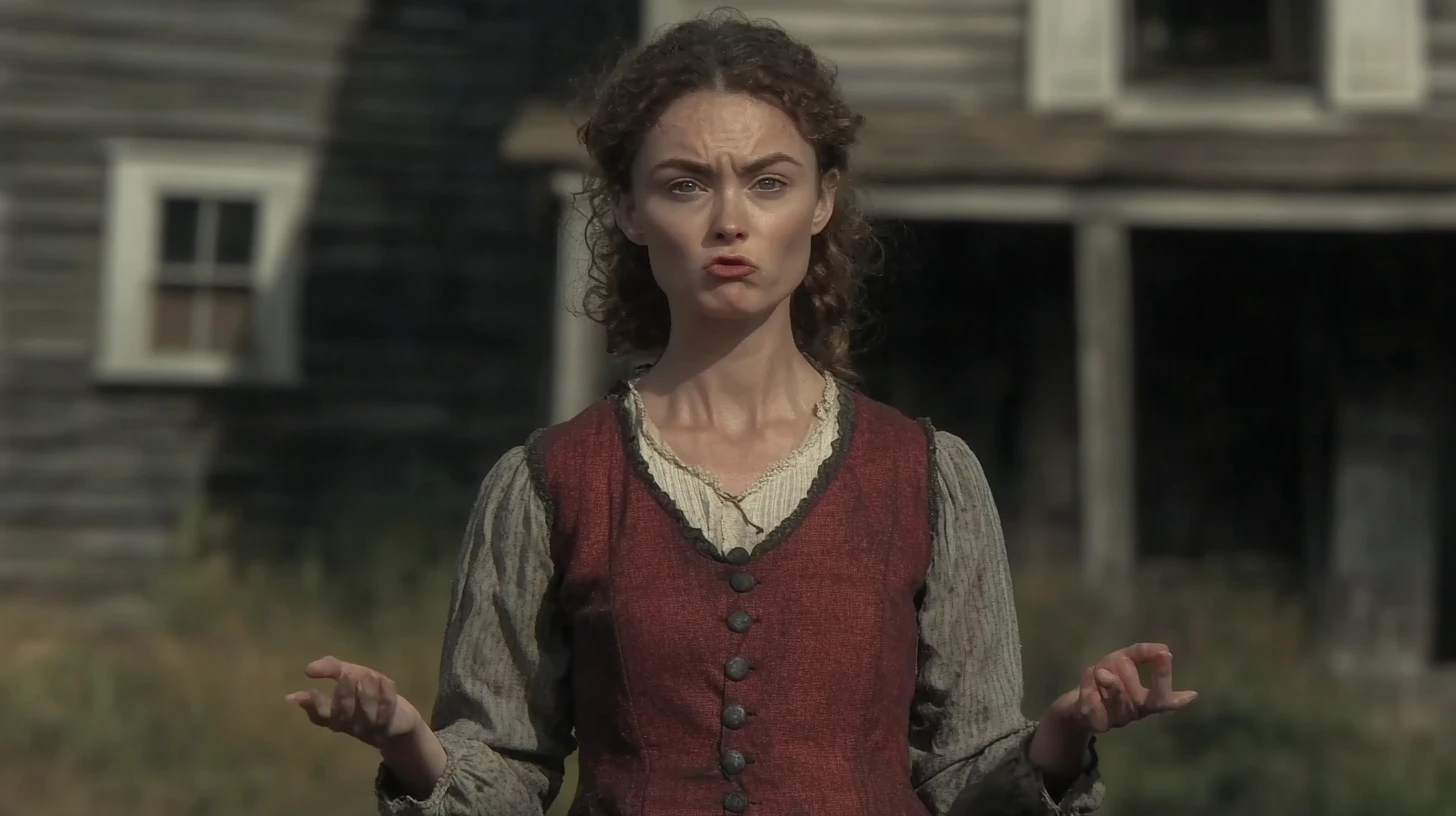
The Salem Witch Trials claimed Bridget Bishop first. Executed on June 10, 1692, this outspoken tavern owner had previously weathered witchcraft accusations in 1680. Bishop was accused because of her scandalous red bodice and hosting shuffleboard games. Bishop’s trial featured dramatic fits from her accusers whenever she moved.
MARIE LAVEAU

Voodoo Queen Marie Laveau wielded extraordinary influence in 19th-century New Orleans. This free woman of color combined Catholic rituals with Voodoo, conducting ceremonies that attracted followers across racial and class boundaries. By day, she worked as a hairdresser, gathering secrets from wealthy clients that enhanced her reputation for supernatural knowledge.
ALICE KYTELER

Medieval Ireland’s first documented witch trial centered on wealthy merchant Alice Kyteler. Accused by her stepchildren of poisoning four husbands through sorcery. She allegedly sacrificed animals to demons and kept a familiar spirit named Robin Artisson. Kyteler was able to escape to England, but her maid Petronella de Meath suffered flogging and burning at the stake.
AGNES SAMPSON
North Berwick’s respected midwife Agnes Sampson met a brutal end during Scotland’s first major witch hunt. Tortured extensively, she confessed to leading 200 witches in magical attacks against King James VI’s ships. The king personally interrogated her at Holyrood Palace. After brutal interrogation, executioners burned her at Edinburgh Castle.
REBECCA NURSE
The accusation of 71-year-old Rebecca Nurse shocked Salem Village. A pious church member with an impeccable reputation, Nurse was accused of torturing young girls despite her frailty. Jury members initially acquitted her but reversed their decision when accusers fell into renewed fits. After her hanging, Nurse’s family secretly recovered her body.
MOTHER SHIPTON
Yorkshire prophetess Mother Shipton, born Ursula Southeil, was known for predicting disasters, including the Great Fire of London. Born with physical deformities, she reportedly inherited magical abilities from her mother, who conceived her with a forest spirit.
ALISON DEVICE
The Pendle witch trials began when Alison Device confessed to bewitching a peddler after he refused to sell her pins. This impoverished young woman claimed her family possessed supernatural powers inherited from her grandmother. Unable to read the court evidence, she was hanged at Lancaster Castle along with nine others.
ANNA GÖLDI
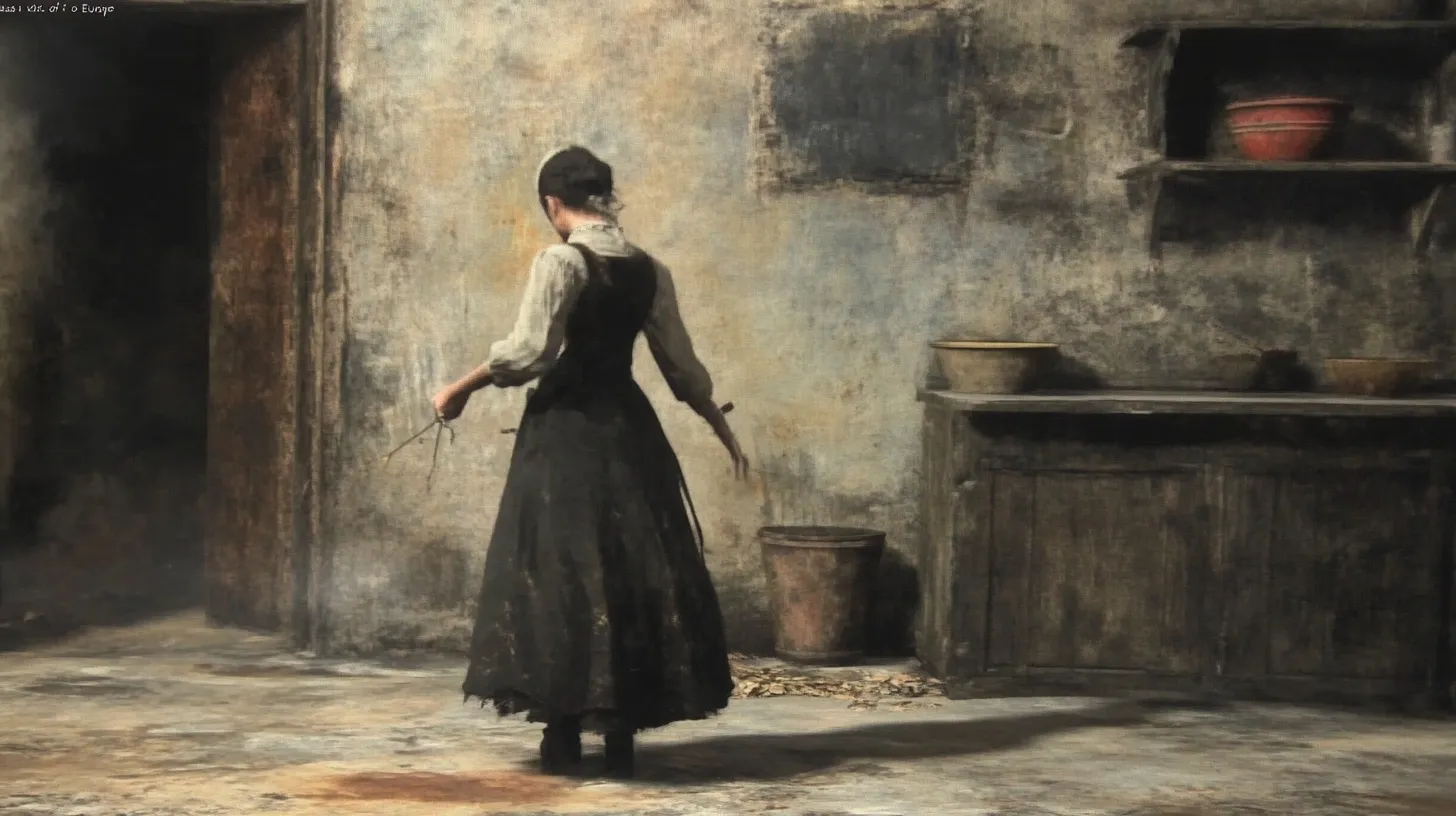
Often called the “last witch of Europe,” Anna Göldi’s execution came during the Age of Enlightenment. This Swiss maid allegedly caused her employer’s daughter to vomit needles and suffer convulsions. Authorities sentenced Göldi to death by the sword.
ANNE BOLEYN
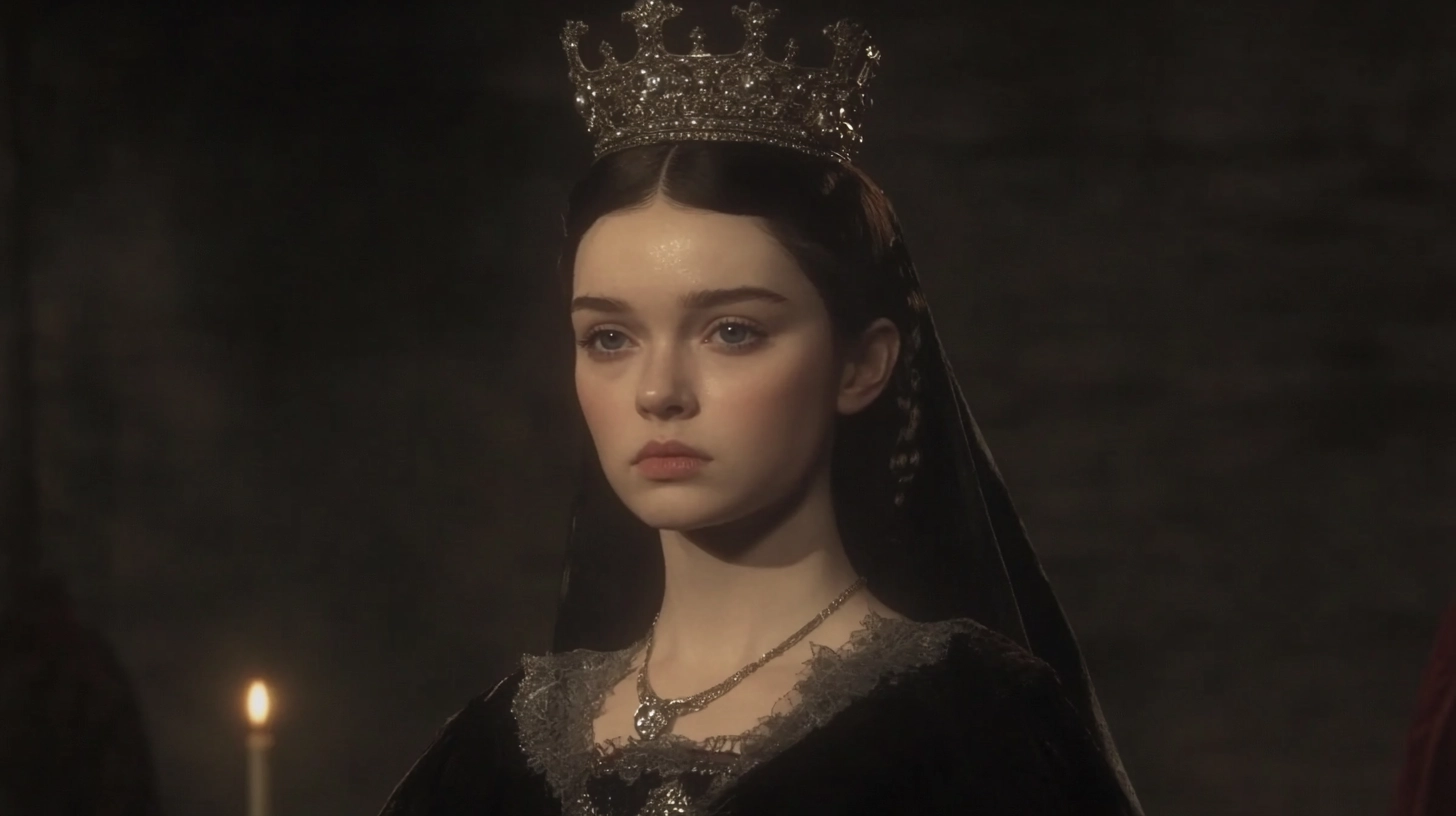
Henry VIII’s ill-fated second queen, Anne Boleyn, faced accusations of witchcraft, among other charges. Courtiers claimed she bewitched the king with magic, pointing to her sixth finger and alleged moles as “witch’s marks.” When Henry tired of her after she failed to produce a male heir, these supernatural accusations helped justify her rapid downfall. She was executed for adultery and treason rather than witchcraft.
MOLL DYER
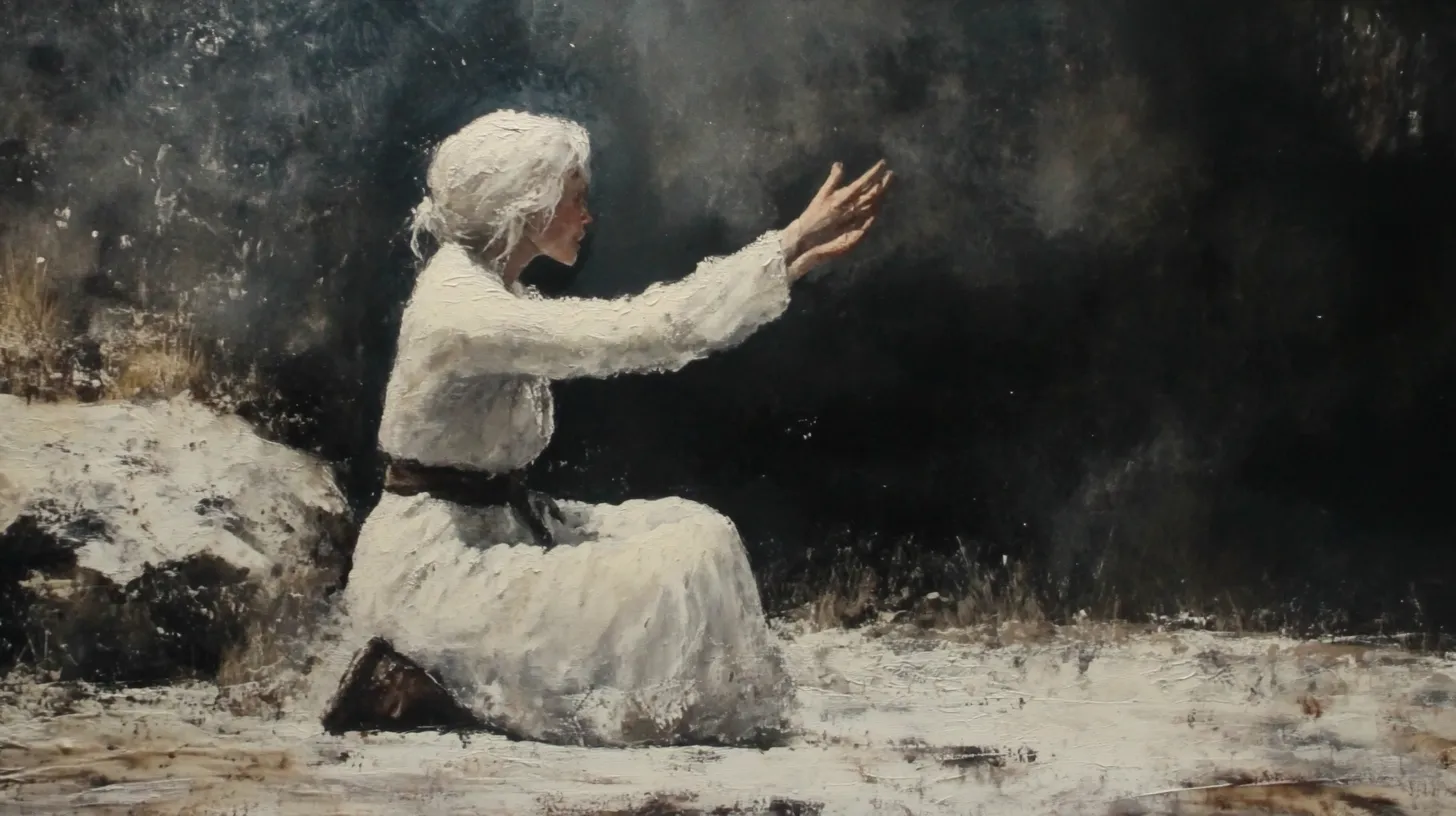
Maryland folklore preserves the tale of Moll Dyer, a reclusive healer driven from her home during a harsh winter by neighbors who blamed her for crop failures and illness. She fled into the woods, where her frozen body was discovered days later, kneeling on a rock with one hand raised in an apparent curse against her persecutors.
AGNES WATERHOUSE
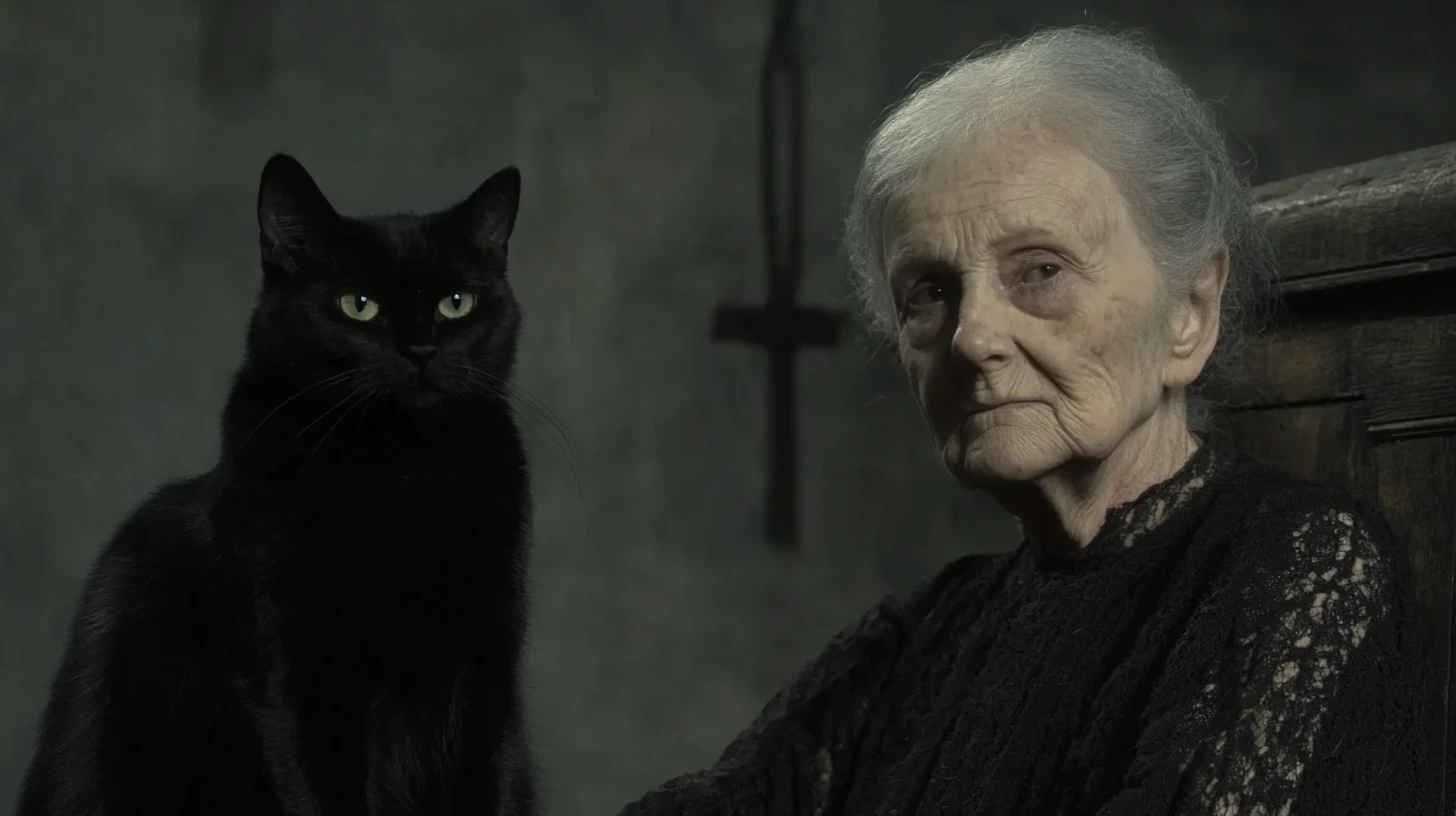
England’s first executed witch was Agnes Waterhouse, a 63-year-old widow from Hatfield Peverel. Her daughter Joan claimed Agnes transformed her cat “Satan” into a toad and commanded it to kill neighbors’ livestock. When questioned about renouncing God, Waterhouse reportedly answered in Latin despite being illiterate—evidence of demonic influence on her accusers. She was then executed.
ARADIA

Folklorist Charles Leland documented the legend of Aradia, the supposed daughter of the goddess Diana, who came to Earth to teach witchcraft to oppressed peasants. Published in 1899 as “Aradia, or the Gospel of the Witches,” Leland’s text described an underground Italian witch religion with practices blending paganism with Christianity.
KATHARINA HENOT
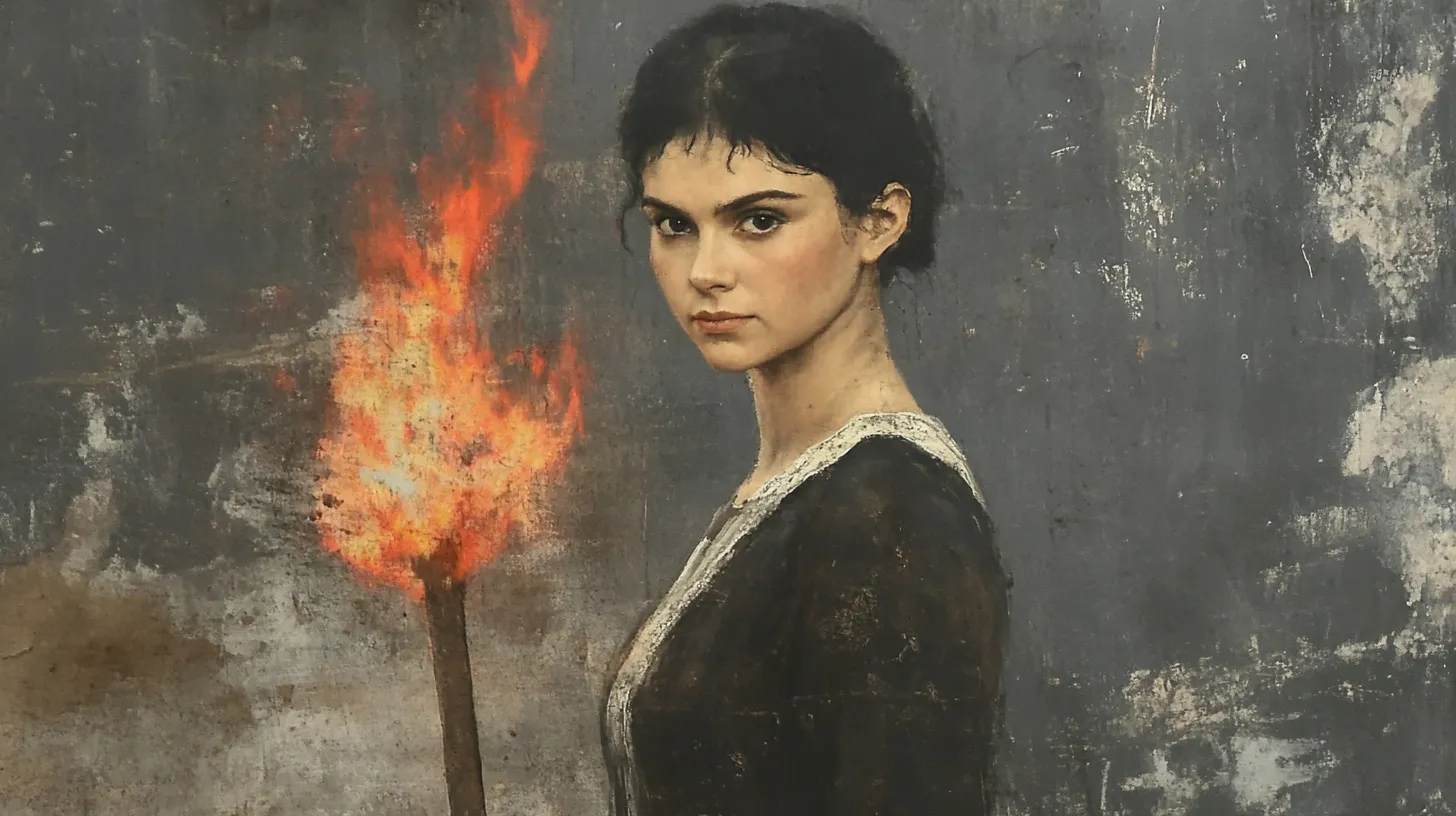
Cologne postmaster Katharina Henot became one of Germany’s most prominent witch trial victims. As a wealthy, influential woman running the imperial postal service, Henot’s position proved precarious during intense witch persecutions. Under torture, she maintained her innocence despite accusations of causing illness through magic. After her burning at the stake, persecutors seized her property and executed her brother.
ROSALEEN NORTON
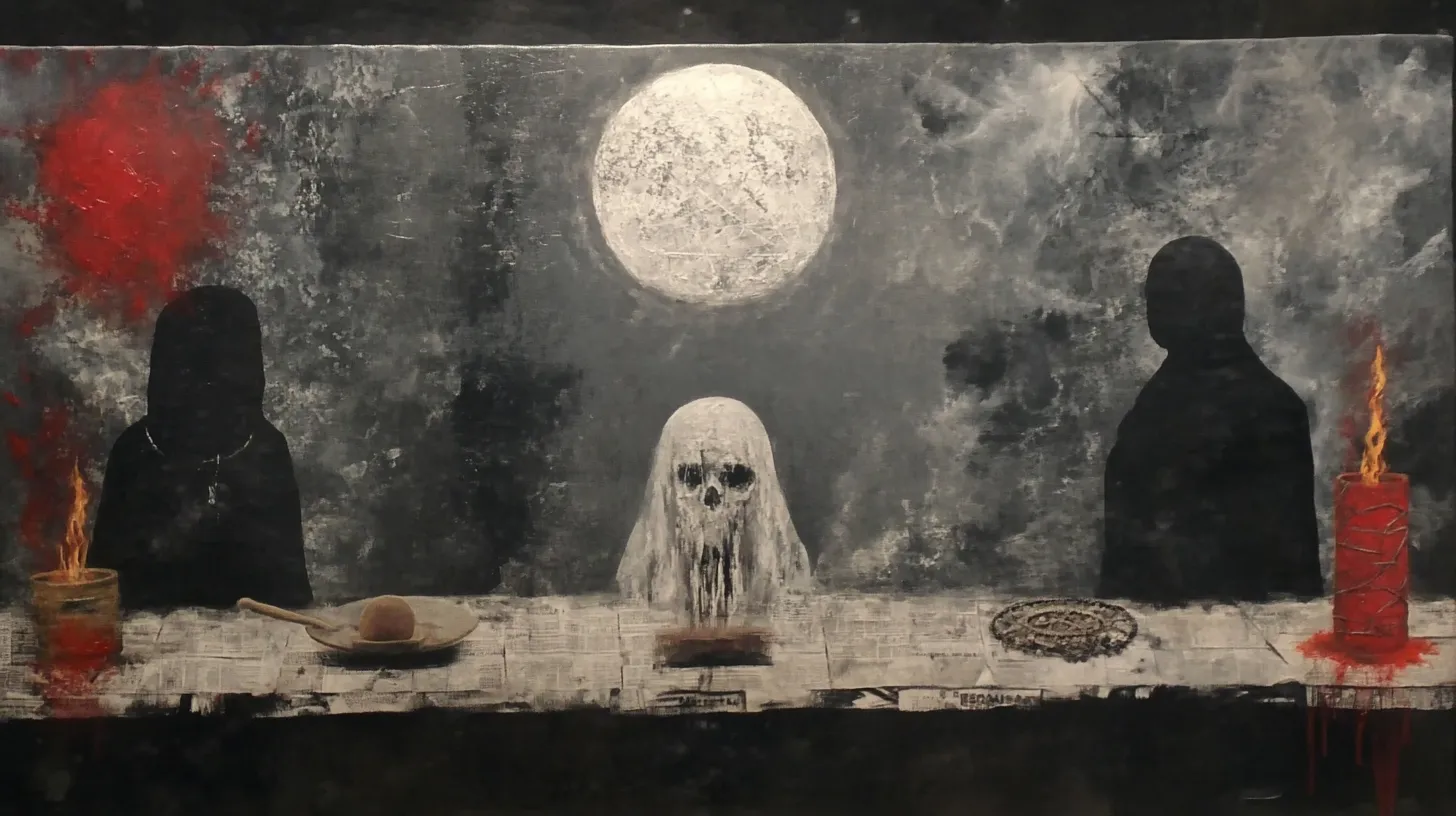
Tabloids dubbed her “The Witch of Kings Cross,” but Rosaleen Norton considered herself a devoted pantheist and occult artist. Her sexually explicit paintings depicting pagan gods and magical rituals scandalized the 1940s-50s Sydney. Police routinely raided her apartment, suspecting black magic ceremonies, while newspapers printed sensationalized stories about her.
ELEANOR COBHAM
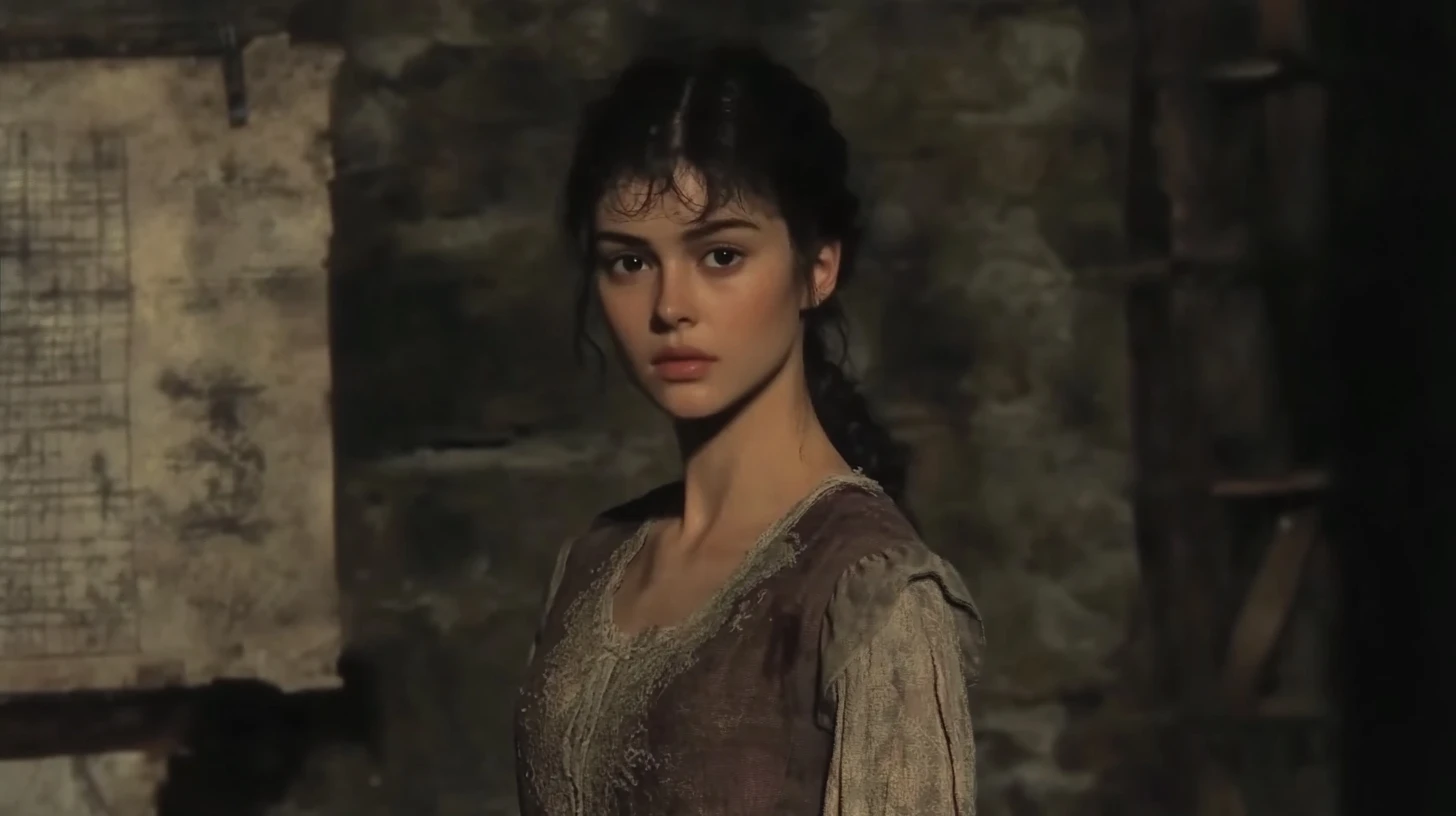
When Duchess of Gloucester Eleanor Cobham’s husband Humphrey stood as heir presumptive to young King Henry VI, Eleanor consulted astrologers about the king’s lifespan—a treasonable offense. Authorities accused her of using wax images to harm the king, forced her to perform three public penances walking bareheaded through London, and then imprisoned her for life.
WITCH OF ENDOR

The only named witch in the Bible, the Witch of Endor, appears in 1 Samuel 28 when King Saul—having previously banned mediumship—disguises himself to seek supernatural guidance. This necromancer successfully raises the prophet Samuel’s spirit, who delivers Saul’s death prophecy.